







1. Clear Your Drains and Balcony Outlets
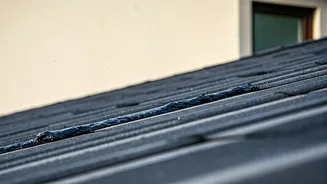
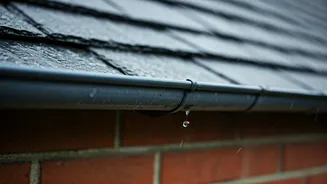
This is the single most important five-minute job you can do. Choked rooftop gutters, terrace drains, and balcony outlets are the primary cause of waterlogging and seepage into your walls and foundation. Before the heavy downpours begin, do a quick visual
inspection. Remove any accumulated leaves, dirt, or plastic waste that could block the flow of water. A simple hand sweep or a quick flush with a bucket of water is often enough to clear minor blockages. This quick action prevents water from pooling and finding its way into your home, saving you from costly repairs and the persistent smell of dampness.
2. Inspect Your Windows and Outdoor Doors
Gaps in window frames and door jambs are open invitations for rainwater. Take a few minutes to walk around your house and check the seals. Look for cracked or peeling sealant around the glass and frames. Pay special attention to windows that face the direction of the prevailing wind and rain. For a quick, temporary fix, you can apply waterproof tape over small cracks. Also, ensure that the small drainage holes (weep holes) at the bottom of window tracks are clear. A clogged weep hole can cause the track to fill with water, which then overflows into your room. A toothpick or a thin wire is all you need to clear them out.
3. Do a Rapid Electrical Safety Scan
Water and electricity are a deadly combination. You don't need to be an electrician to perform a basic safety check. Take a walk around the exterior of your house, checking for any exposed or frayed wiring, especially for outdoor lights, doorbells, or AC units. If you spot any, cover them with good-quality electrical tape as a temporary measure and plan to get it fixed professionally. Inside, ensure that your main circuit board has an Earth Leakage Circuit Breaker (ELCB) or Residual Current Circuit Breaker (RCCB). Test it by pressing the 'Test' button – it should trip the power immediately. This device is a lifesaver that cuts power instantly in case of a leakage, preventing electric shocks.
4. Relocate Your Wooden Furniture
The high humidity during the monsoon can cause wooden furniture to swell, warp, and develop mould. A quick preventative measure is to shift your precious wooden pieces—like cupboards, tables, and chairs—a few inches away from external walls. Walls often absorb moisture from the outside and can transfer it to anything in direct contact with them. This simple act of creating an air gap allows for better circulation, reducing the risk of moisture damage and fungal growth on the back of your furniture. It takes just a few minutes but can significantly extend the life of your wooden items.
5. Assemble a 'Dampness First-Aid' Kit
Don't wait for your clothes and closets to smell musty. Prepare a small kit to combat dampness as soon as it appears. Gather items like camphor balls (kapur), silica gel packets (often found in new shoe boxes or bags), or even a few sticks of chalk. These are excellent moisture absorbers. Place them in your wardrobes, shoe racks, and book cabinets. Neem leaves are another traditional and effective option for preventing mould and keeping insects at bay. Having this kit ready means you can deploy these items instantly when the air starts to feel heavy and damp.
6. Check for Pest Entry Points
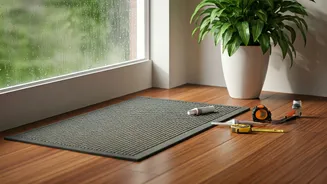
The monsoon is peak season for insects and other pests seeking shelter from the rain. Your home is their ideal refuge. Spend a few minutes checking for obvious entry points. The most common culprit is the gap under your main door or balcony doors. If you can see daylight underneath, it’s big enough for crawlies to get in. A quick fix is to install a self-adhesive brush or rubber door strip at the bottom. Also, check that the mesh screens on your windows are intact and don't have any tears. Sealing these gaps is a simple task that greatly improves hygiene and comfort.
7. Prepare an Emergency Power Kit
Monsoon storms often lead to power cuts. Scrambling for a torch in the dark is stressful. Take ten minutes to create an emergency kit and keep it in an easily accessible spot. This kit should include a fully charged torch or emergency lamp, a charged power bank for your phones, a fresh pack of candles, and a lighter or matchbox. It's also wise to include a basic first-aid box with antiseptic, bandages, and any essential personal medications. Knowing everything is in one place provides immense peace of mind when the lights go out unexpectedly.