






The New Weather Pattern for October
The classic image of a crisp, dry October is becoming complicated. In recent years, the southwest monsoon, which provides the majority of India's rainfall, has shown a tendency to withdraw later than its historical schedule. The process is a gradual,
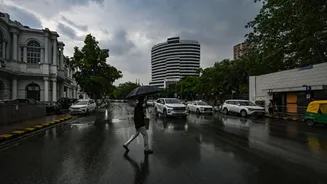
staggered retreat that starts in the northwest in September and moves southeast over several weeks. As of late September 2026, the monsoon had withdrawn from Delhi and much of North India, but its complete exit from central and eastern parts may not happen until around October 10th. This means that while some parts of the country are enjoying post-monsoon sunshine, others, particularly in central, eastern, and southern India, might still experience lingering showers or thunderstorms well into the month.
Northern India: Your Safest Bet for Sunshine
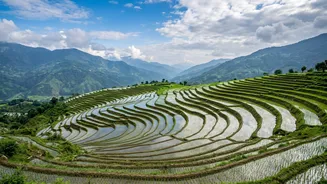
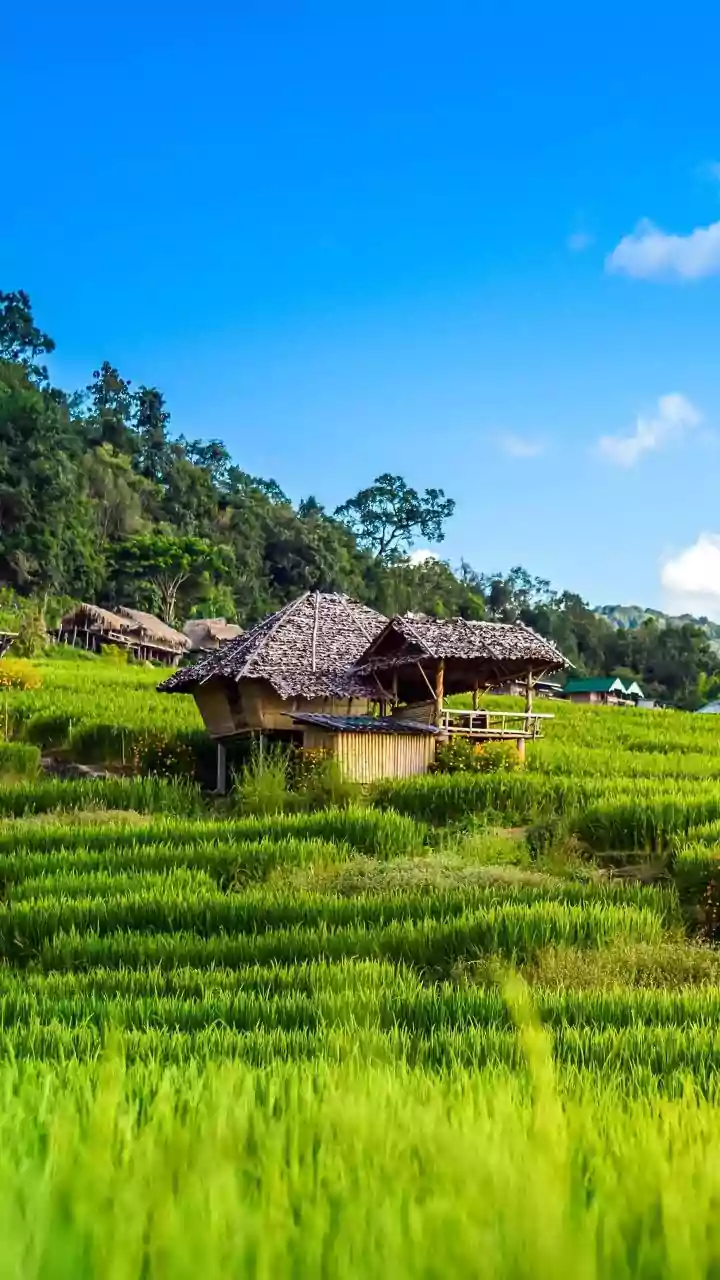
For travelers seeking guaranteed clear skies, North India is the top choice for October. By this time, the monsoon has typically withdrawn entirely from Rajasthan, Punjab, Himachal Pradesh, Delhi, and Agra. This region offers pleasant, warm days perfect for sightseeing, with temperatures in cities like Delhi and Jaipur hovering around a comfortable 30-34°C. After months of rain, the landscapes are often lush and green, creating a beautiful backdrop for exploring the majestic forts of Rajasthan, the cultural landmarks of the Golden Triangle, or trekking in the Himalayan foothills near Shimla and Rishikesh. With the peak tourist season still a month away, you'll also benefit from fewer crowds at popular sites.
Central and Western India: A Region in Transition
Central India, including states like Madhya Pradesh and Maharashtra, presents a more mixed forecast. While the heaviest rains are over, the monsoon's withdrawal can be delayed here. For instance, past years have seen unexpected rainfall in Mumbai during October due to low-pressure systems in the Arabian Sea. It’s wise to expect warm, humid conditions with the possibility of occasional afternoon showers. However, this shouldn't deter you. Destinations like Bandhavgarh National Park and Hampi in Karnataka are lush and beautiful post-monsoon, and Goa's beaches begin to welcome visitors before the peak season crowds arrive in November. Just be prepared with a flexible itinerary and a light raincoat.
South and East India: Plan for the Northeast Monsoon
Travel to South and East India in October requires careful planning. While the southwest monsoon is retreating, another weather system, the northeast monsoon, typically arrives in the latter half of the month. This 'retreating monsoon' brings significant rainfall to Tamil Nadu, parts of Kerala, and Andhra Pradesh, usually setting in around October 20th. Forecasts for October-December 2026 suggest normal to above-normal rainfall for many parts of Tamil Nadu and Kerala. This means that while the first half of October might be relatively dry in Kerala, the second half could see the onset of new rains. If your heart is set on the serene backwaters or southern beaches, aim for early October and keep a close watch on local weather updates.
What to Pack for an Unpredictable October
Given the variability, smart packing is essential. Think in layers and prepare for multiple weather scenarios. Lightweight, quick-dry clothing is a must, as it handles both humidity and unexpected showers well. Always include a compact umbrella and a light waterproof jacket, regardless of your destination. For footwear, a combination of comfortable walking sandals and a pair of closed-toe shoes that can handle a downpour is ideal. Sunscreen and sunglasses are non-negotiable, as you'll likely encounter plenty of bright sunshine between any lingering clouds. This versatile wardrobe will ensure you're comfortable whether you're exploring a sun-drenched fort in Rajasthan or caught in a brief shower in Goa.