






The City's Hidden Menu
For millions of Indians, the daily quest for food is an unconscious navigation of the urban environment. What we choose to eat is powerfully shaped by what is available, affordable, and accessible. The Food and Agriculture Organization of the United Nations
(FAO) has formalized this connection through its Urban Food Agenda. This framework acknowledges that with the world urbanizing at a historic pace, especially in Asia and Africa, cities are now the front line for nutritional outcomes. The agenda moves beyond just promoting urban farming to advocate for a complete integration of food systems into urban planning and governance. It calls on city and national leaders to see food not as a separate issue, but as a core component of a city's infrastructure, just like transport, housing, and sanitation. The goal is to build resilient and sustainable food systems that ensure everyone has access to safe and nutritious food.
An Obstacle Course to a Healthy Meal
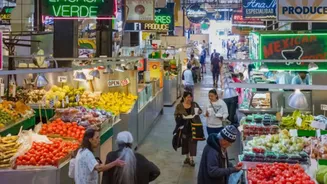
How exactly does a city’s design dictate your diet? The layout of our urban spaces can act as either a facilitator or a barrier to healthy eating. Long commutes on congested roads might mean less time and energy for cooking, making processed and ready-to-eat meals more appealing. The location of markets and supermarkets also plays a crucial role. Many urban neighbourhoods, particularly low-income areas, can become ‘food deserts,’ where fresh produce is scarce and expensive, or ‘food swamps,’ where fast-food outlets and convenience stores selling unhealthy options are overwhelmingly dominant. Zoning laws that push fresh food markets to the city’s periphery to ease congestion can inadvertently make healthy food harder to access for those reliant on public transport. Even modern housing trends, like smaller apartments with tiny kitchens, can discourage cooking from scratch, nudging residents towards delivery apps and pre-packaged foods.
India's Rapidly Growing Challenge
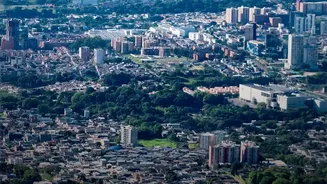
This global issue has particular resonance in India, which is undergoing one of the most rapid urban transitions in history. By 2030, an estimated 600 million people will call an Indian city home. This explosive growth often outpaces planning, leading to sprawling peri-urban areas with inadequate infrastructure. For many who move from rural areas, the shift changes their relationship with food entirely; they become 'net food buyers,' completely reliant on the market. While non-farm jobs can provide income, it is often not enough to afford a consistently nutritious diet, leaving families vulnerable to food price spikes. This contributes to India's complex nutritional problem: the dual burden of persistent undernutrition and stunting in children, alongside rising rates of obesity and diet-related non-communicable diseases in adults. The traditional ecosystem of local vendors and neighbourhood markets, which historically provided access to fresh food, is also under pressure from new retail formats and urban regulations.
Designing Cities That Nourish
The solution, according to the FAO and urban planning experts, is to consciously design healthier food environments. This involves a multi-pronged approach. City planners can use zoning to ensure a balanced mix of fresh food retailers in all neighbourhoods and protect spaces for traditional markets. Investing in better public transport and 'last-mile' connectivity can dramatically reduce the time and cost of accessing healthy food. There is also growing momentum for integrating agriculture back into the urban fabric. Urban agriculture, from community gardens in informal settlements to technologically advanced rooftop farms, can improve access to micronutrient-rich foods like fruits and vegetables, reduce food miles, and even provide benefits like improved air quality and green spaces. By supporting these initiatives and creating policies that connect food systems with urban development, cities can actively promote the health and well-being of their citizens.