



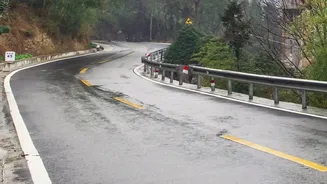
The Dual Personality of Late Monsoon
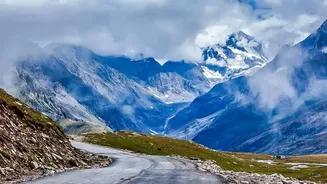
The late monsoon period is a time of dramatic contrasts on the Manali-Leh route. While the peak rains may have subsided, the weather remains notoriously unpredictable. The stretch from Manali up to the high passes like Baralacha La can still experience
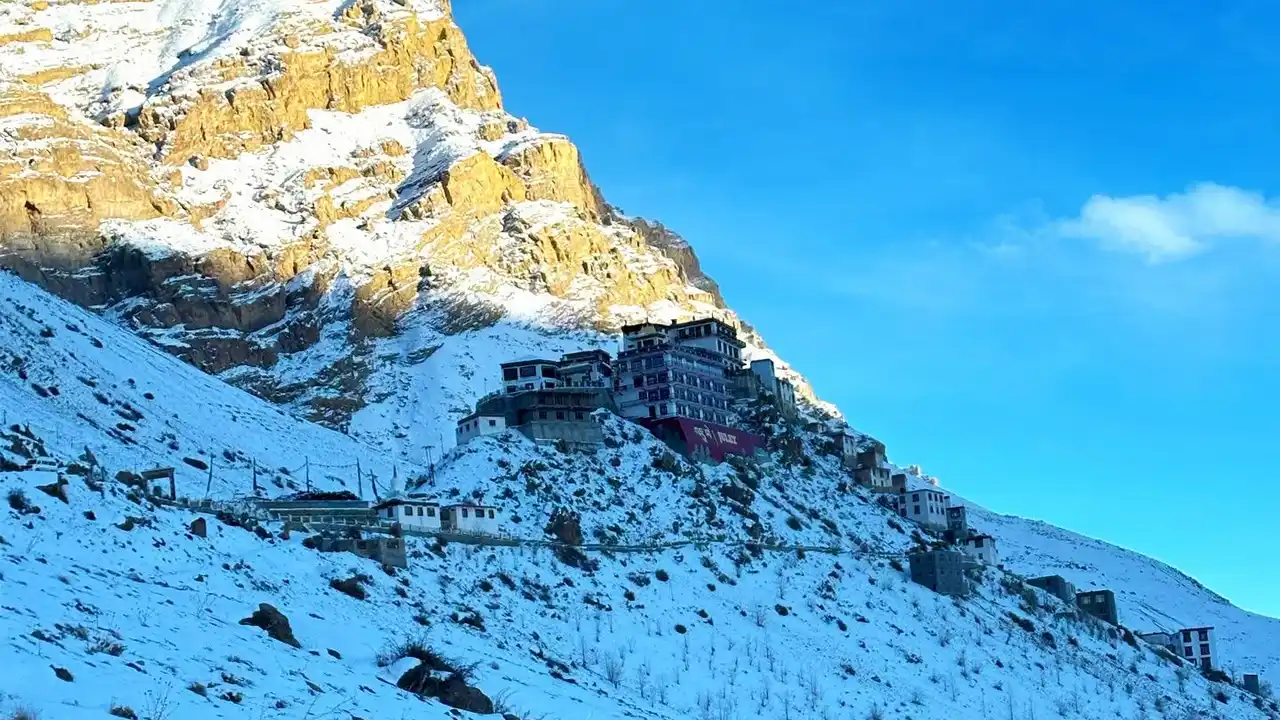
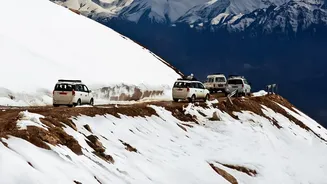
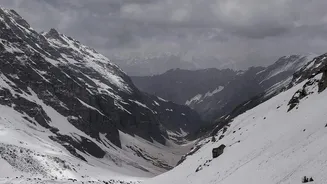
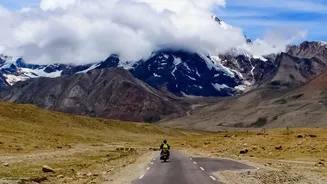
significant rainfall, increasing the risk of landslides and flash floods. Conversely, the region beyond these passes, heading towards Leh, lies in a rain-shadow area and is typically dry and sunny. This duality is the core challenge: you must prepare for both wet, treacherous conditions and the cold, arid climate of the high-altitude desert, often on the same day. A bright, clear morning in Keylong can be followed by a sudden snow shower or slushy tracks at Baralacha La just a few hours later.
Water Crossings and Landslide Zones
Two of the most immediate dangers during this season are water crossings (nalas) and landslides. Monsoon rains, combined with accelerating glacier melt on sunny afternoons, can turn gentle streams into raging torrents. Experienced drivers know to tackle major water crossings early in the morning when water levels are at their lowest. Areas around Rohtang and the Lahaul Valley are particularly prone to landslides, which can block the road for hours or even days. While the Border Roads Organisation (BRO) works diligently to clear blockages, sometimes within hours, being stranded is a real possibility. Planning for an extra buffer day in your itinerary is not just advisable, it's a necessity.
Your Vehicle: The Ultimate Survival Tool
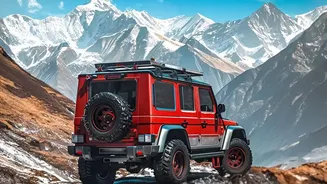
On this terrain, your vehicle is more than just transport; it's your primary safety equipment. A thorough service is non-negotiable. Pay special attention to brakes, tyres, and suspension, as they will be pushed to their limits. A vehicle with high ground clearance, like an SUV, is highly recommended to navigate broken patches and water crossings. Because fuel stations are scarce—the stretch between Tandi and Leh is roughly 365 km—carrying extra fuel in a metal jerry can is critical. Also, pack a complete toolkit, including a puncture repair kit, a tow strap, and a reliable tyre inflator. Your car’s mileage can drop by 20-30% at high altitudes, so plan your fuel needs conservatively.
The Non-Negotiable Packing List
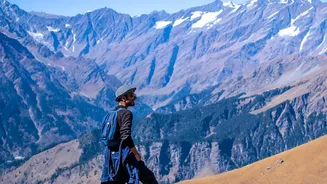
Packing for a 20-degree temperature swing is the golden rule. Layering is key: thermal inners, fleece jackets, and a windproof, waterproof outer layer are essential. Even in August, night temperatures at stopovers like Sarchu can dip below freezing. Your kit must include waterproof shoes with good grip, woolen socks, gloves, and a cap. Beyond clothing, a comprehensive first-aid kit with medication for altitude sickness (after consulting a doctor), pain relief, and bandages is vital. Carry a portable oxygen cylinder for emergencies. High-energy snacks, plenty of water to stay hydrated, and a power bank for your devices are small items that make a huge difference, especially if you get stuck.
Staying Informed and Acclimatising
Conditions on the highway can change hourly. There is zero mobile network coverage on large portions of the route. Before you start your journey each day, check with locals, taxi drivers, or at your hotel for the latest road status. Following the social media handles of local police can also provide real-time updates. Most importantly, respect the altitude. Acute Mountain Sickness (AMS) is a serious risk, with symptoms including headaches, nausea, and shortness of breath. Your itinerary must include a night for acclimatisation in a place like Jispa or Keylong (around 3,100 metres) before ascending to the higher passes. Rushing the journey is the single biggest mistake you can make.