




Why Your Study Desk Needs a Plant
Before we dive into specific plants, let’s talk about why you should even consider one. A study desk is a place of focus and hard work, but it can also be a source of stress. Studies have shown that interacting with indoor plants can reduce psychological
and physiological stress. While you are buried in textbooks, a splash of green can offer a moment of calm and visual relief. Having a living thing to care for can also provide a gentle, welcome distraction and a sense of accomplishment. It’s not just about aesthetics; it’s about creating a more positive and productive environment for yourself.
Meet the Snake Plant: The Survivor
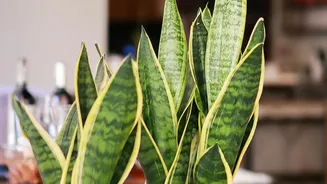
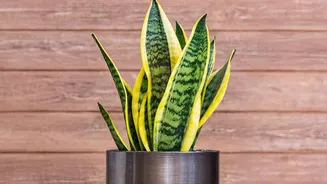
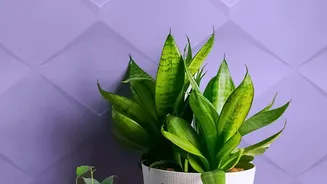
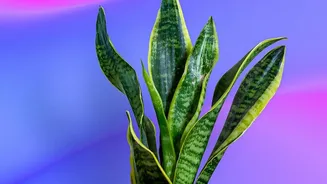
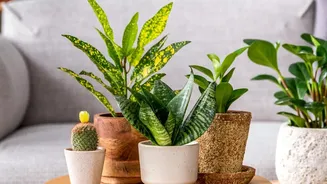
If you're new to plants, the Snake Plant (Dracaena trifasciata, formerly Sansevieria) is your best friend. Nicknamed 'mother-in-law's tongue' for its sharp, upright leaves, this plant is famous for being nearly indestructible. It's perfect for a busy student because it thrives on neglect. Snake Plants can tolerate a wide range of light conditions, from low light to bright, indirect sunlight, making them suitable for almost any room or hostel. Their biggest enemy is too much love, specifically overwatering. You only need to water them every 2-3 weeks, or when the soil is completely dry to the touch. In India, this might mean watering a little more in hot summers and much less during the monsoon. With many varieties, from the classic yellow-edged 'Laurentii' to the silvery 'Moonshine', you can find one that fits your style.
Golden Pothos: The Easygoing Vine
The Golden Pothos (Epipremnum aureum) is another champion for beginners. Also known as Devil's Ivy, this plant is beloved for its heart-shaped leaves and trailing vines that can gracefully spill over the side of your desk. Pothos is incredibly adaptable and can tolerate low light, though its variegation (the splashes of yellow or white on the leaves) will be more pronounced in brighter, indirect light. Like the snake plant, it's forgiving if you forget to water it occasionally. Just water it when the top inch or two of soil feels dry. A great feature of Pothos is how easily it can be propagated. Simply snip off a piece of vine with a few leaves and place it in a jar of water. Soon, you’ll have roots and a new plant to share with a friend!
The Truth About Air-Purifying Plants
You've probably heard that plants like Snake Plant and Pothos are amazing 'air purifiers'. This idea comes from a famous 1989 NASA study which found that certain plants could remove toxins like formaldehyde and benzene from the air in a small, sealed chamber. While this is technically true, the real-world impact is often overstated. Your room is not a sealed space station; air circulates from outside, and modern research suggests you would need a massive number of plants—perhaps hundreds—to significantly clean the air in a typical room. So, while your desk plant is helping a tiny bit, its main benefits are psychological and aesthetic. Think of the clean air as a small bonus, not the primary reason to get a plant.
Student-Proof Plant Care Tips
Keeping your new green friend alive during a busy semester is simple if you follow a few rules. First, don't overwater! It's the most common way people kill these hardy plants. Always check the soil first. Second, a little light goes a long way. While these plants tolerate low light, they won't thrive in a completely dark corner. A spot near a window but out of direct, harsh sun is perfect. Third, wipe the leaves with a damp cloth every few weeks. Dust can build up and block light, affecting the plant's health. Finally, if you're heading home for a long holiday, give your plant a good watering before you leave. These resilient species will likely be fine until you return.