



The Search for Comfort in a Chaotic World
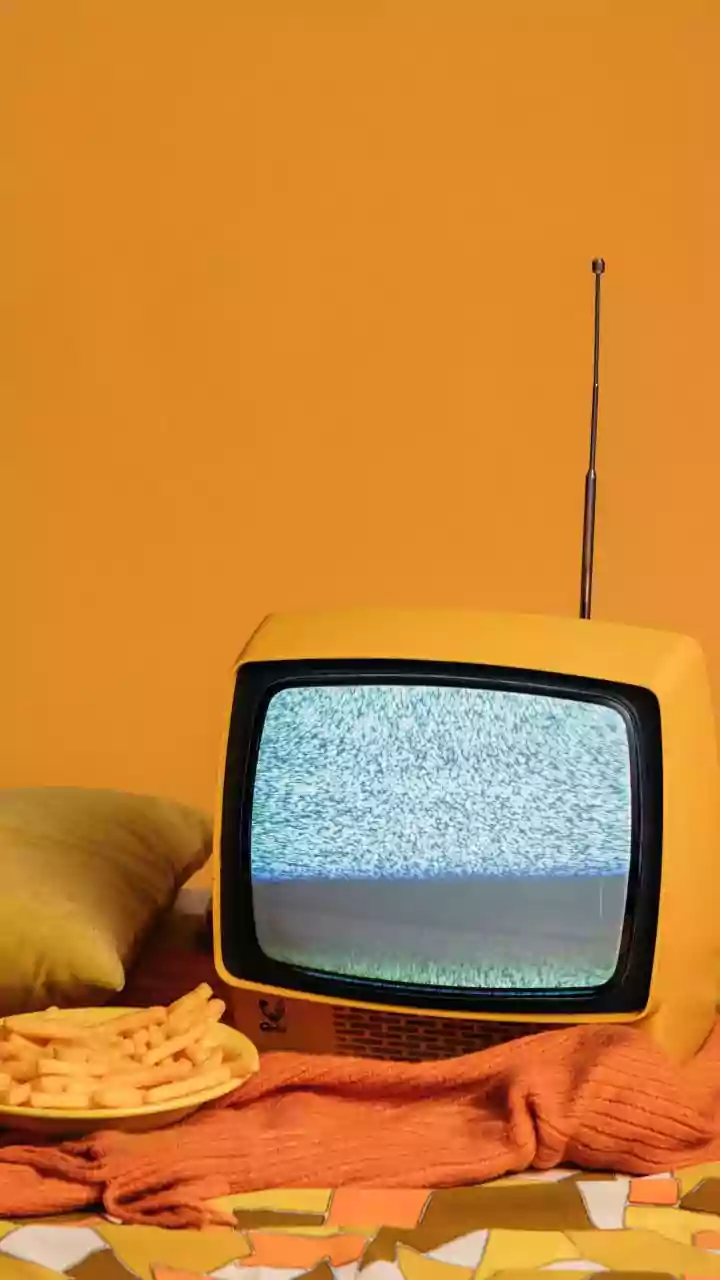
One of the biggest drivers is the simple human need for comfort. In an era defined by digital overstimulation, economic uncertainty, and social pressures, the past can feel like a safe harbour. Research suggests nostalgia can improve moods and provide
a sense of stability. For young viewers, the straightforward narratives and light-hearted humour of 90s and 2000s shows offer a predictable and soothing escape. Unlike the complex, often morally ambiguous anti-heroes of modern prestige television, classic shows like 'Dekh Bhai Dekh' or 'Flop Show' presented relatable problems with resolutions that felt earned and optimistic. This form of 'comfort viewing' functions like emotional regulation, giving the brain a break from the high-stakes complexity of both current events and contemporary television plots.
A Simpler Time, Even for Those Who Weren’t There
For millennials, these shows are a direct portal to their childhood. But for many Gen Z viewers, who didn't see them during their original run, the appeal is a form of 'historical nostalgia'. They are drawn to a time perceived as simpler—an era before the internet dominated every interaction, when friendships were forged in person and family dynamics, though dramatic, felt grounded. Shows like 'Hip Hip Hurray' and 'Just Mohabbat' depicted the anxieties and joys of school and college life that remain universal, but in a setting free from the pressures of maintaining a curated online identity. This borrowed sense of peace from a less chaotic time is a powerful draw for a generation that grew up entirely online.
The Social Media-to-Streaming Pipeline
This trend isn't happening in a vacuum; it's being actively fuelled by social media. Iconic scenes, witty one-liners from 'Sarabhai vs Sarabhai', and memorable character quirks are constantly repurposed into memes, Instagram Reels, and YouTube Shorts. A teenager might see a clip of Maya Sarabhai's 'middle-class' burns and be intrigued enough to search for the full series. This digital chatter brings decades-old shows back into the cultural conversation, creating a new generation of fans. Fan edits and appreciation threads give these classics a second life, making them feel current and discoverable for audiences who might otherwise overlook them.
It’s Not Just Organic, It’s Good Business
Streaming platforms are well aware of this phenomenon, and it’s a core part of their strategy. Acquiring the rights to classic shows is a cost-effective way to broaden their library and retain subscribers. This is nostalgia marketing in action. By creating 'Throwback' collections or using algorithms to recommend these shows, platforms frame them not as dated but as 'timeless classics'. It’s a low-risk, high-reward move. The audience for these shows is already proven, and marketing them taps into powerful, pre-existing positive emotions. Brands have found that associating themselves with these fond memories fosters trust and deepens emotional connection, which is particularly effective with younger demographics.
A Bridge Between Generations
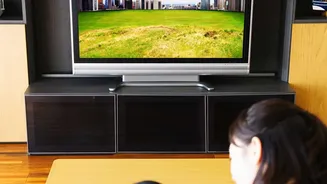
These shows have also become an unexpected way for generations to connect. For many families, watching reruns of 'Hum Paanch' or 'Office Office' is a shared activity. It offers parents a chance to share a piece of their youth with their children, creating a common cultural language. In a media landscape that is increasingly fragmented, with each person on their own device, the ability of a single show to appeal to multiple age groups is rare. This shared viewing experience strengthens social bonds and fosters a sense of cultural continuity, connecting today’s youth to the values and stories of a different Indian era.