







The Relief and the Risk
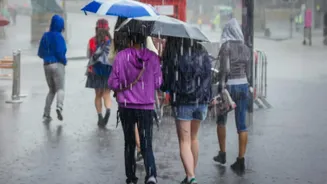
For months, India waits for the monsoon to break the oppressive grip of summer. The first rains bring not just relief but a psychological shift. The focus moves to tracking rainfall, watching for waterlogging, and enjoying the drop in temperature. This
obsession with rain is understandable, but it creates a blind spot. We often assume that if it's raining or cloudy, the danger of heat is gone. However, the air temperature alone doesn't tell the full story. The defining characteristic of the monsoon isn't just water falling from the sky; it's the sheer amount of moisture in the air. This humidity creates a different kind of heat, one that our bodies find much harder to handle, even at temperatures that might seem manageable during the dry summer.
It's Not the Heat, It's the Humidity
So what exactly is monsoon heat? It's the dangerous combination of high air temperature and high humidity. Scientists measure this combined effect using a metric called the wet-bulb temperature. In simple terms, this measurement shows how effectively our bodies can cool down through sweating. Our primary cooling mechanism is the evaporation of sweat from our skin. When the air is dry, sweat evaporates quickly, providing efficient cooling. But when the air is already saturated with moisture—as it is during the monsoon—sweat can't evaporate properly. As a result, the body's natural air conditioning system fails, and heat builds up internally. This is why a 36°C day with high humidity can feel like 50°C and be far more dangerous than a 42°C day in a dry climate. Your body is working much harder to stay cool, putting immense strain on your heart and other organs.
The Science of 'Break' Conditions
This intense, humid heat is particularly pronounced during periods known as "break monsoon" conditions. These are spells within the monsoon season where the widespread, heavy rains temporarily stop over large parts of central and peninsular India. During a break, the monsoon trough, a low-pressure belt that drives the rains, shifts northward towards the Himalayas. While the rain ceases, the atmosphere remains loaded with moisture from the preceding showers and the general monsoon environment. When the clouds part and the sun comes out, it heats this trapped moisture, leading to a rapid spike in feels-like temperatures and extreme discomfort. Studies have shown that these break periods are when the risk of dangerous, humid heat stress peaks across much of the country.
The Hidden Health Dangers
The health risks of humid heat are serious and often underestimated. Because the body cannot cool itself effectively, the risk of heat-related illnesses like heat exhaustion and heatstroke rises dramatically. Symptoms might start with muscle cramps, excessive sweating, dizziness, and nausea. If not addressed, this can progress to hyperthermia, a condition where the body's core temperature rises to dangerous levels, potentially damaging the brain and other vital organs. This risk is not just for the elderly or those with pre-existing conditions; even healthy individuals, especially outdoor workers, can quickly succumb. The persistent dampness also creates a breeding ground for fungal and bacterial infections, while the strain on the cardiovascular system can lead to fluctuations in blood pressure and increased fatigue.
How to Stay Safe From Humid Heat
Protecting yourself from monsoon heat requires a shift in mindset. It's less about the number on the thermometer and more about how you feel. Firstly, hydration is key. Drink plenty of water throughout the day, even if you don't feel thirsty, and avoid sugary drinks, caffeine, and alcohol, which can lead to dehydration. Wear light-coloured, loose-fitting clothing made from breathable fabrics like cotton to help what little evaporation is possible. Plan your day to avoid strenuous outdoor activity during the hottest parts of the day, typically from late morning to late afternoon. Pay attention to your body and watch for early signs of heat stress. At home, ensure good ventilation to prevent the buildup of damp, stagnant air. Using a fan can help circulate air, but in temperatures above 33-34°C, it may not be enough to prevent heat-related illness.