





From Off-Season to 'In' Season
For years, the monsoon in Northeast India was considered the tourism off-season. Heavy rains, landslides, and misty roads kept travellers at bay. But savvy eco-resorts have flipped the script. Instead of fighting the weather, they are leaning into it,
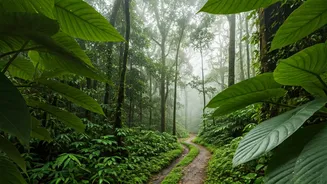
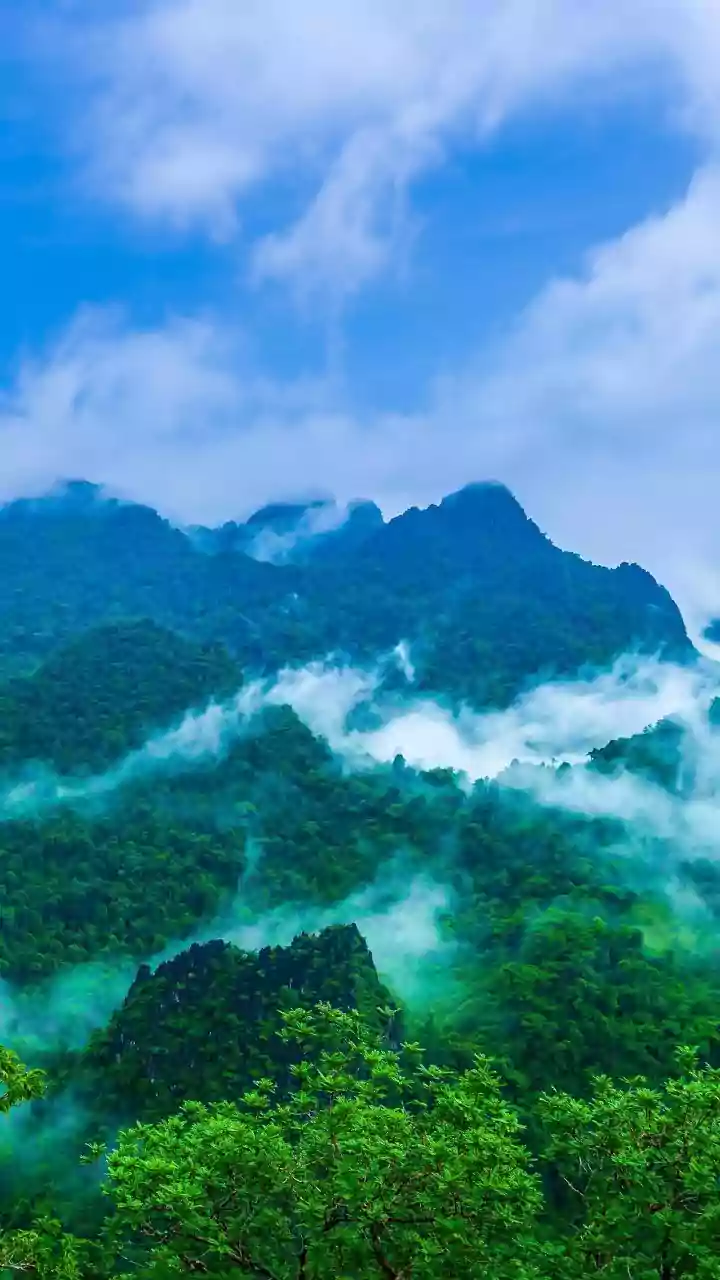
marketing the season's unique charm: the sound of rain on a tin roof, the scent of wet earth, and the drama of clouds rolling through the valleys. They are curating 'indoor retreat' packages that focus on cosiness, wellness, and introspection, offering a perfect escape from bustling city life. This shift isn't just about filling rooms; it's about creating a new genre of travel where the goal is to slow down, disconnect, and reconnect with nature from the comfort of a beautifully designed sanctuary.
1. The 'Cozy Reading Nook' Experience
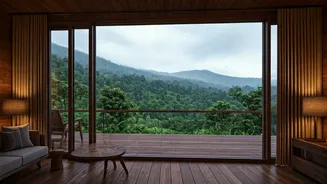
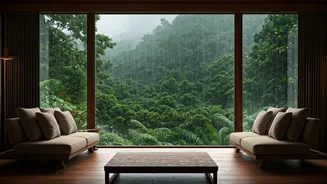
Imagine this: you're curled up in a plush armchair, a warm cup of local tea in hand, with a panoramic window framing the relentless, beautiful rain lashing against the hills. This is the core appeal of the 'reading nook' retreat. Resorts are transforming their spaces into havens for bibliophiles and those seeking quiet contemplation. Properties like the Glenburn Tea Estate near Darjeeling or boutique stays in Sikkim are known for their well-stocked libraries, roaring fireplaces, and rooms designed for storm-watching. These packages often include unlimited tea or coffee service and specially prepared comfort food. It’s an experience designed not for sightseeing, but for 'sight-being'—simply existing peacefully within the dramatic landscape.
2. Wellness That Washes Over You
The monsoon is a time of renewal for nature, and many resorts are channeling that energy into wellness-focused packages. With the rhythmic sound of rainfall as a natural soundtrack, these retreats offer guided yoga and meditation sessions that feel deeply immersive. Spas are incorporating local, seasonal ingredients into their treatments—think herbal compresses with wild turmeric from Assam or traditional Khasi massages in Meghalaya. The focus is on holistic healing. The cooler, cleaner air and the serene environment create a perfect setting for detoxing and de-stressing. Instead of a packed itinerary, the schedule is gentle, built around spa appointments, wellness workshops, and personal time, allowing the mind and body to reset.
3. A Culinary Journey Indoors
When you can't go out, you go inward—and that includes exploring the region's rich culinary heritage. Many eco-resorts are turning their kitchens into classrooms during the monsoon. Guests can sign up for hands-on cooking classes to learn how to prepare local delicacies like Naga smoked pork, Manipuri Eromba, or Assamese Masor Tenga. These sessions are often led by local chefs who share family recipes and stories behind the dishes. Beyond classes, resorts curate special monsoon menus featuring hearty, warming foods made from seasonal produce. It's a farm-to-table experience where every meal tells a story of the land, providing a delicious and engaging way to spend a rainy afternoon.
4. Architecture That Embraces the Rain
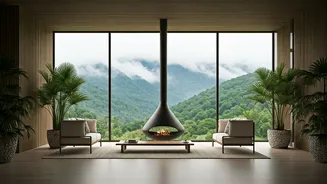
The design of these eco-resorts is a critical part of the monsoon experience. Architects are moving away from structures that merely shelter from the rain to ones that celebrate it. Think cottages with sloping roofs designed to create mesmerising water cascades, verandas with deep overhangs for protected outdoor seating, and floor-to-ceiling glass walls that dissolve the boundary between inside and out. Resorts like Ri Kynjai in Meghalaya, with its design inspired by traditional Khasi architecture, exemplify this philosophy. The buildings are positioned to offer breathtaking views of the mist-covered Umiam Lake, ensuring that even when you're indoors, you're constantly connected to the stunning, rain-washed landscape.