







Beyond the Classic Rover
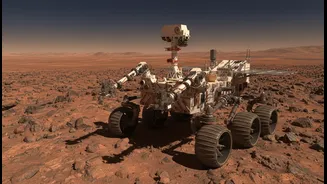
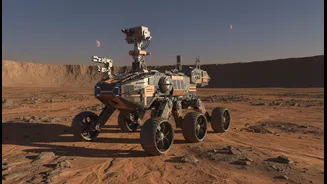
For decades, our vision of exploring Mars has been dominated by hardy, six-wheeled rovers like Curiosity and Perseverance. These robotic geologists have been incredibly successful, but they have their limits. Steep slopes, deep sand, and extremely rugged
terrain remain largely inaccessible. To get to the most scientifically interesting places—and to prepare for future human missions—NASA needs a more diverse toolkit. That's the driving force behind the Science Transport and Robotic Innovation for Deployment and Exploration (STRIDE) initiative, a program designed to spur commercial innovation for Martian mobility. By tapping into the private sector, NASA aims to develop a fleet of varied explorers that can walk, fly, and roll across Mars in ways current rovers cannot.
A $17 Million Bet on Innovation
Under the STRIDE program, NASA has selected seven companies to share in awards with a total potential value of approximately $17 million. This initiative isn't about building one specific new rover; it's about funding the research and design for a variety of systems. The goal is to see what's possible and to identify capability gaps that commercial partners can fill. The work, set to begin in the fall of 2026, will explore everything from legged robots that can climb over obstacles to advanced aerial platforms. This public-private partnership model allows NASA to leverage the agility and specialized expertise of the commercial space industry, accelerating development while distributing the risk.
Meet the Magnificent Seven
The list of awardees includes a mix of established aerospace players and innovative newcomers, all tasked with dreaming up the next Martian explorers. The seven companies selected are AeroVironment, Astrobotic, Venturi Astrolab, Ground Control Robotics, Honeybee Robotics, Intuitive Machines, and MEI Technologies. While specific designs are still in early stages, the expertise of these firms hints at the future. AeroVironment, for instance, has a history with Martian aerial vehicles, having contributed to the groundbreaking Ingenuity helicopter. Honeybee Robotics has a long track record of developing drills and other robotic tools for NASA missions. Each company brings a unique perspective to the challenge of moving across an alien world.
Walking, Flying, and Hybrid Explorers
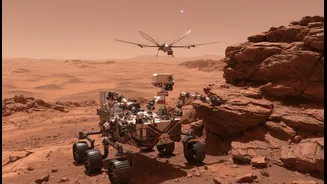
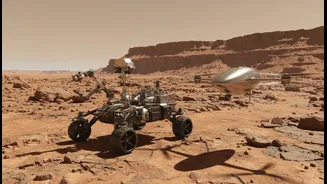
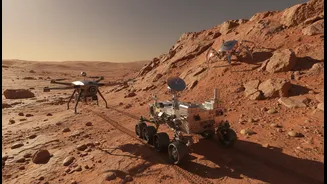
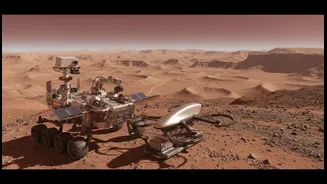
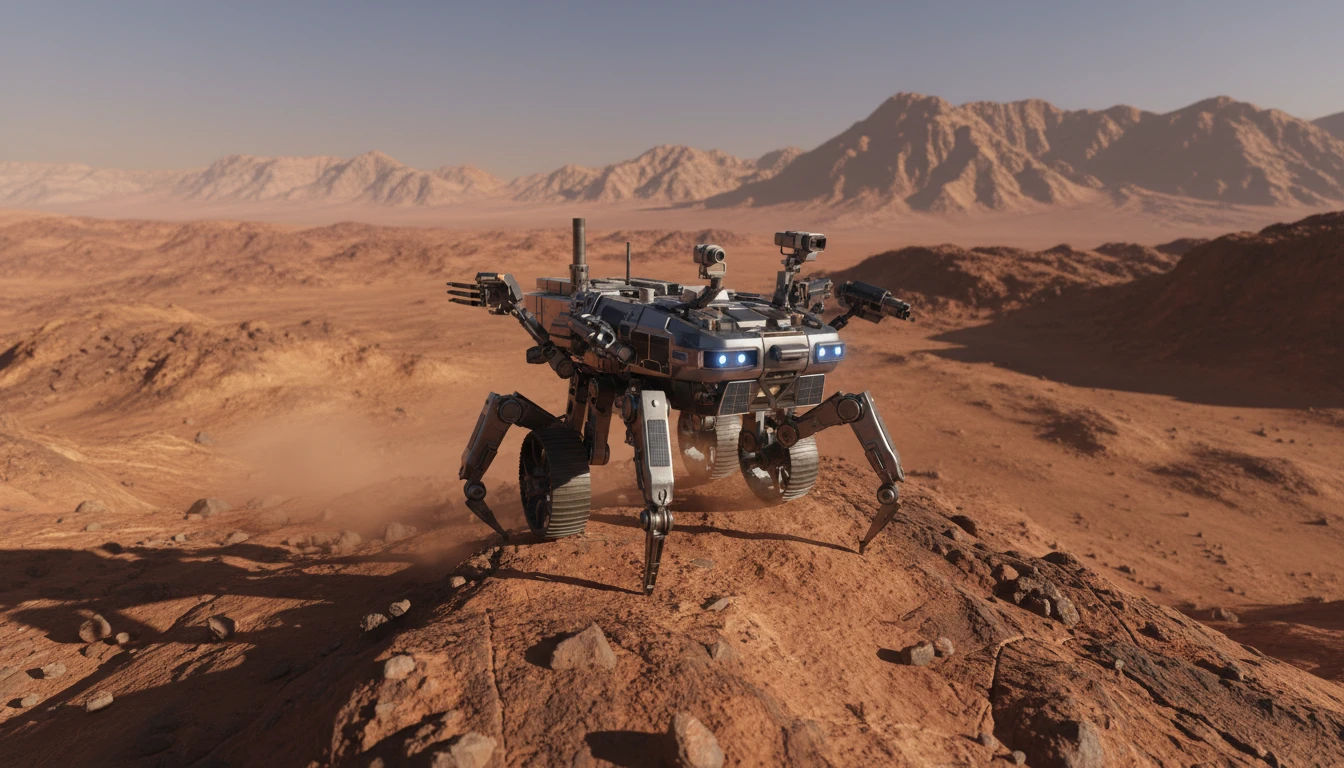
The concepts being funded represent a significant leap beyond the traditional wheeled 'rocker-bogie' suspension system that has been a staple of Mars rovers since the 1990s. Future systems could include legged robots capable of navigating treacherous, rocky fields that would trap a wheeled vehicle. These spider-like or dog-like machines could maintain stability on steep inclines and step over large boulders. Another key area of development is aerial mobility. Building on the success of the Ingenuity helicopter, which proved flight was possible in the thin Martian atmosphere, STRIDE will likely push for more advanced drones. These could act as scouts for ground-based assets or access high-altitude science targets like cliff faces. Hybrid systems that combine both ground and air capabilities are also on the table, promising unprecedented versatility for exploration.
Paving the Way for Human Explorers
Ultimately, the STRIDE initiative is about more than just better robots; it's a critical step toward landing humans on Mars. Future astronauts will need reliable and versatile robotic assistants to carry gear, survey landing sites, and perform scientific work. The technologies developed under these contracts could become the foundation for the robotic infrastructure that supports a human presence on the Red Planet. By learning to navigate the most difficult Martian terrains now, NASA is gathering crucial data that will ensure the safety and success of future human explorers. These seven contracts are not just building machines; they are building the future of interplanetary exploration, one innovative step at a time.