

A Visitor from Deep Space
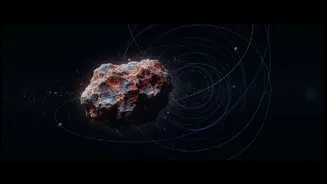
Every day, Earth is showered with about 48.5 tons of meteoritic material. Most of it is dust that burns up harmlessly in the atmosphere, creating the fleeting beauty of a shooting star. But occasionally, a larger piece survives the fiery descent. After
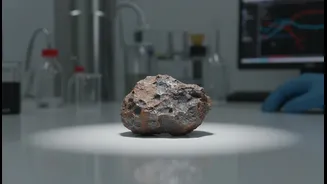
its journey through space and a dramatic plunge through our atmosphere, a meteorite finally comes to rest on Earth's surface. These cosmic travelers are remnants from the birth of our solar system, around 4.6 billion years ago. They are time capsules, carrying pristine information about the formation of planets, the presence of ancient water, and even the organic molecules that could be precursors to life. For scientists, finding a freshly fallen meteorite is like discovering a new chapter in the story of our cosmic origins.
The Race Against Water and Air
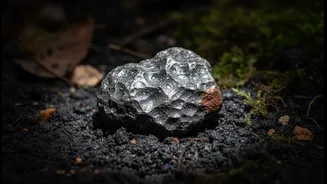
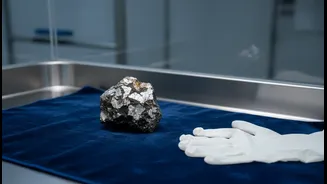
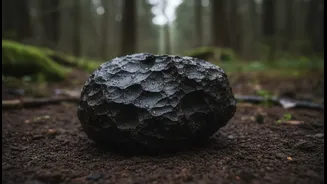
The very elements that sustain life on Earth are the greatest threats to these celestial artifacts. The moment a meteorite lands, it is exposed to our planet's wet, oxygen-rich environment, and a process of terrestrial weathering begins. Most meteorites contain metallic iron, which is highly susceptible to oxidation—the same chemical reaction that causes a piece of metal to rust. Moisture in the air or direct contact with rain acts as a catalyst for this process. Even in a museum cabinet, a meteorite can 'rust' if not stored in a controlled, dry environment. The transformation can be surprisingly fast. A study of the Winchcombe meteorite, which fell in the UK in 2021, found that fragments began to form new salts and minerals from interacting with the moist environment within hours and days of landing. In wetter regions, a meteorite can lose much of its metallic iron in a very short time, while in arid deserts, it might survive for thousands of years.
What Science Stands to Lose
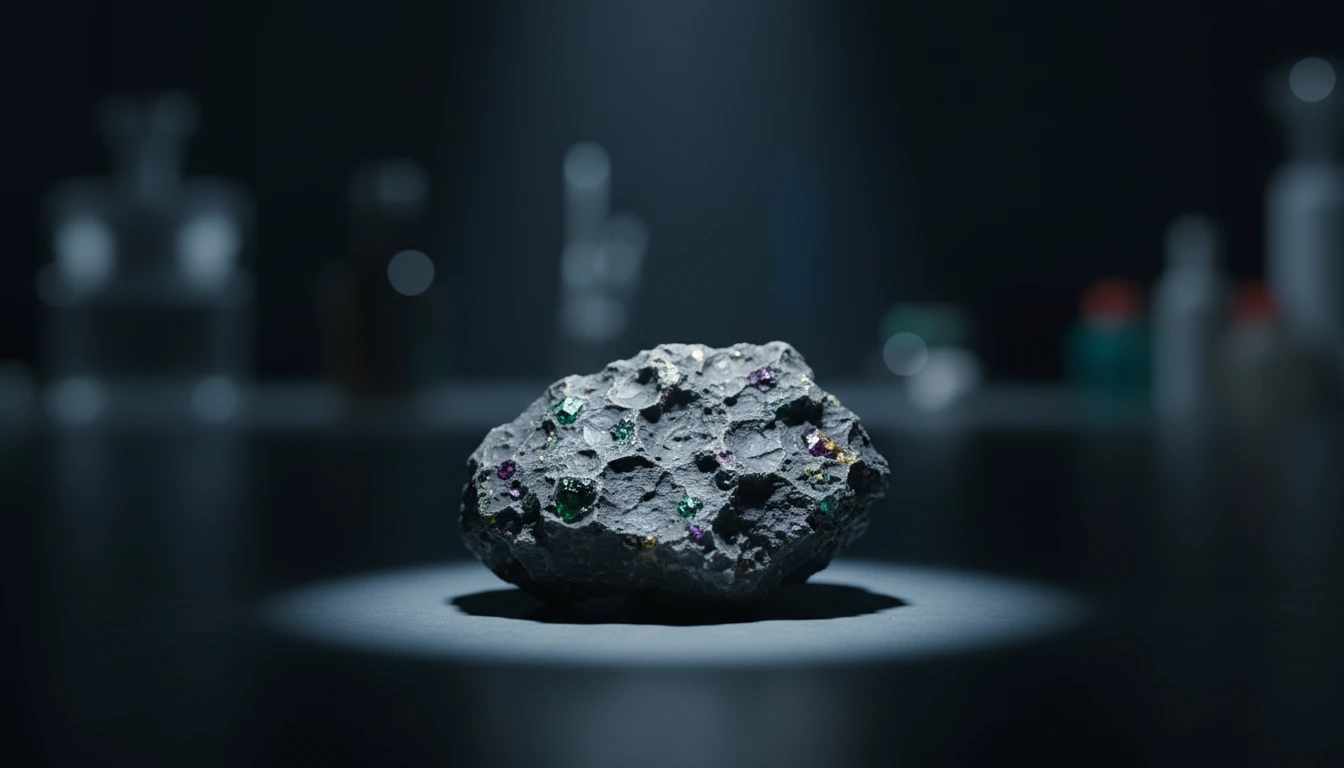
This terrestrial contamination is not just a cosmetic issue; it fundamentally changes the meteorite and destroys the invaluable data it holds. The oxidation of iron is a primary concern. Weathering can obscure or completely erase the original composition of the rock, making it difficult for scientists to determine its type and origin. Beyond simple rusting, rainwater can dissolve and wash away delicate minerals. Perhaps most critically, contamination from terrestrial water and microbes can corrupt any signs of extraterrestrial organic compounds or evidence of ancient water on the meteorite's parent asteroid. This compromises our ability to study the building blocks of life that may have been delivered to a young Earth by meteorites. Furthermore, the original magnetic record of a meteorite, which holds clues about the magnetic fields of ancient planetary bodies, can also be compromised by these chemical changes.
The Global Hunt for Fresh Falls
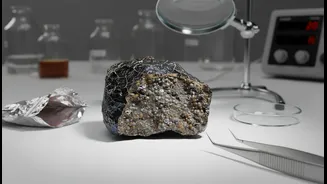
Because a meteorite's scientific utility diminishes the longer it sits on Earth, there is an urgent and coordinated effort among scientists, and even citizen scientists, to find and recover them as quickly as possible. When a bright fireball is spotted, networks of cameras and weather radar are used to track its path and predict where fragments might have landed. This allows meteorite hunters to get to a location, sometimes within hours, to collect samples before they are significantly altered. A recent example from July 2024 in New Jersey highlighted the importance of rapid recovery. An amateur astronomer quickly collected fragments from his property, preserving them in a way that protected them from contamination. This allowed scientists to study delicate minerals and organic compounds that would have otherwise been lost. For this reason, witnessed falls that are recovered immediately are considered the gold standard, earning a top rating on the weathering scale used by scientists to classify a meteorite's freshness.