





The Modern Protein Problem
Anyone who works out, runs, or simply leads a busy, active life knows that protein is non-negotiable. It’s the essential building block for repairing muscle tissue, sustaining energy levels, and keeping you feeling full and strong. The market is flooded
with options, from expensive whey protein tubs to imported superfoods. While effective, these can quickly strain a monthly budget, making a high-protein diet seem like a luxury. This often leaves people searching for a middle ground: a protein source that is effective, natural, and doesn't break the bank. The good news is that the solution isn't a new discovery, but a return to traditional Indian wisdom. These time-tested staples offer a potent nutritional punch without the hefty price tag, proving that you don't need to spend a fortune to fuel your body effectively.
Sattu: The Original Desi Superfood
Often called the ‘poor man’s protein’, sattu is a humble yet mighty flour made from roasted Bengal gram (chana). A nutritional powerhouse, 100 grams of sattu packs around 20-25 grams of high-quality plant-based protein, rivaling many commercial supplements. But its benefits don't stop there. Sattu is rich in dietary fibre and complex carbohydrates, which ensure a slow and steady release of energy. This makes it an ideal pre-workout fuel, preventing the sudden energy crashes associated with sugary drinks. Its low glycemic index also helps in managing blood sugar levels. Furthermore, sattu is loaded with essential minerals like iron, magnesium, and calcium, which are vital for muscle function, bone health, and fighting fatigue. Especially in India’s hot climate, a glass of sattu sharbat acts as a natural coolant, hydrating the body and replenishing lost electrolytes after a sweaty workout. It’s a complete package for recovery, providing protein for muscle repair, carbs for glycogen replenishment, and hydration all in one go.
The Magic of Sprouting Legumes
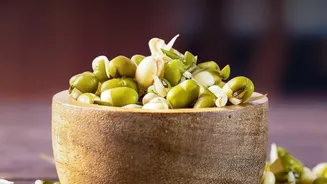
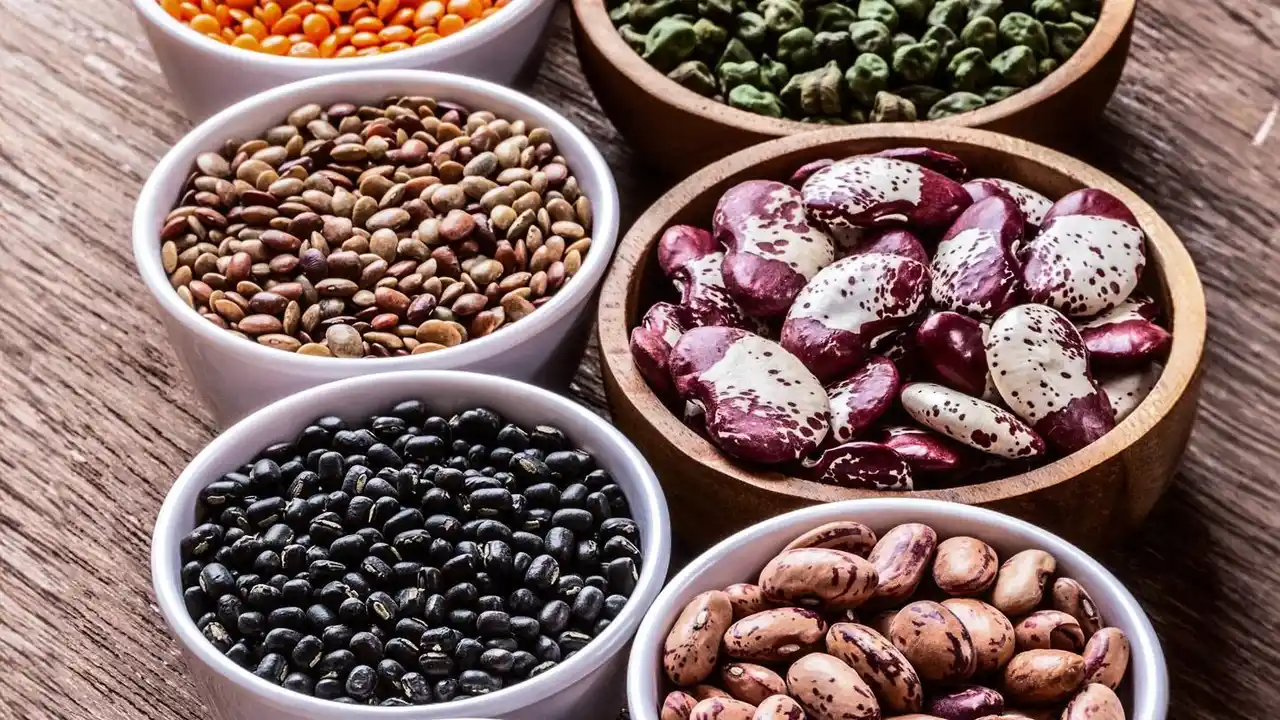
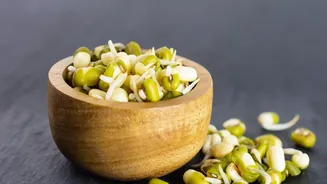
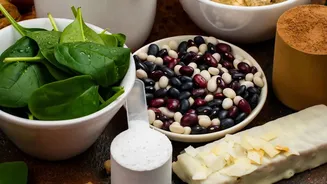
Legumes like moong, moth beans, and chickpeas (chana) are already known as good protein sources. However, the simple act of sprouting transforms them into nutritional superstars. Sprouting, or germination, is the process where the seed begins to grow into a young plant. This process fundamentally changes its nutritional profile for the better. During sprouting, complex nutrients within the legume are broken down into simpler, more accessible forms. The most significant change is the reduction of 'anti-nutrients' like phytic acid. These compounds can bind to minerals and make them harder for your body to absorb. By neutralizing them, sprouting significantly increases the bioavailability of protein, iron, zinc, and magnesium. This means you not only get more nutrients, but your body can actually use them more effectively. Sprouting also boosts the content of vitamins, particularly B vitamins and Vitamin C, and makes the legumes much easier to digest, reducing the chances of bloating and discomfort.
Affordable, Versatile, and Easy to Use
The beauty of both sattu and sprouted legumes lies in their affordability and versatility. A packet of chana for making sattu or a mix of legumes for sprouting costs a fraction of most protein powders and bars. They are staples in every Indian market, accessible to everyone. Integrating them into your diet is incredibly simple. Start your day with a sattu sharbat by mixing the flour with water, a pinch of black salt, and a squeeze of lemon for a quick, energizing drink. You can also add sattu to your roti dough, smoothies, or make energy laddoos. Sprouted legumes are just as easy. A bowl of mixed sprouts with chopped onions, tomatoes, and spices makes for a perfect post-workout snack or a light lunch. You can toss them into salads, add them to curries, or lightly sauté them for a crunchy side dish. This combination provides a complete amino acid profile, sustained energy, and all the micronutrients your active body craves.