





More Than a Spectacle
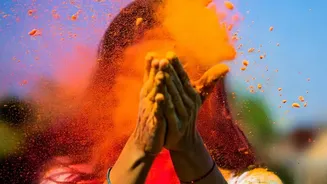
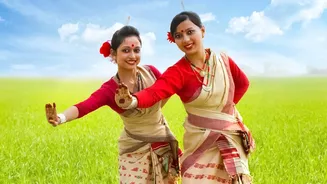
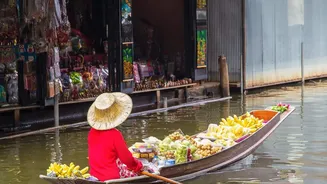
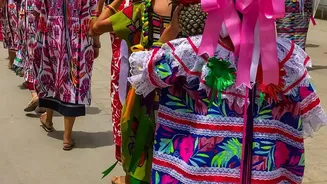
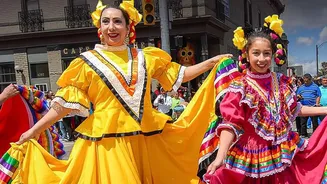
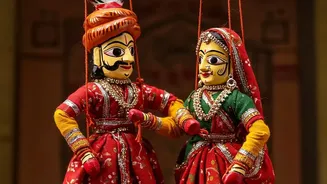
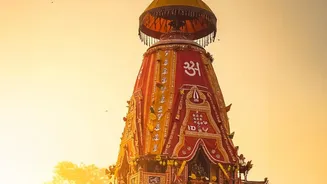
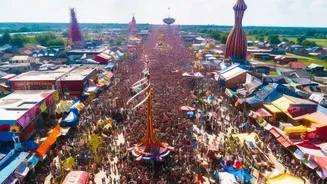
The idea of a festival in India is expanding. What were once primarily religious or seasonal observances are now becoming thoughtfully curated cultural showcases. Organisers are recognising a growing desire among travellers for authenticity and immersion.
Instead of just watching a performance or a procession, visitors are now invited to become part of the experience. This shift turns a festival ground into a living museum and a dynamic cultural hub, offering a holistic glimpse into a community's way of life. It’s a move away from fleeting moments towards creating lasting memories and deeper connections with the places and people behind the traditions.
A Feast for the Senses
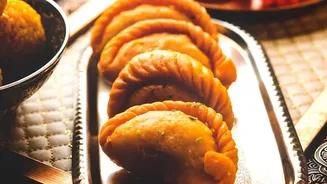
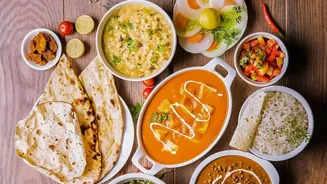
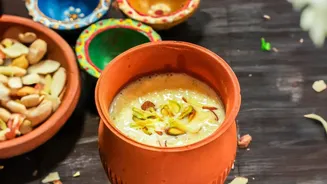
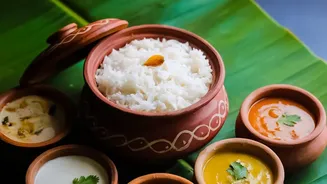
Food and music are often the most accessible entry points into a new culture, and modern festivals are mastering this blend. Take Gujarat's Rann Utsav, where visitors stay in a sprawling tent city on the edge of a vast salt desert. Evenings are filled with the sounds of Kutchi folk music and vibrant Garba performances, while food stalls offer an array of regional delicacies. Similarly, Nagaland's Hornbill Festival, known as the 'Festival of Festivals', brings together the state's diverse tribes. Here, travellers can sample unique Naga cuisine, from smoked meats to dishes made with bamboo shoots, all while witnessing powerful folk dances and warrior traditions. These events are designed as multi-sensory experiences where the local flavour is something you can both hear and taste.
The Artisan’s Grand Stage
Many festivals are now crucial platforms for preserving and promoting indigenous crafts. The Surajkund International Crafts Mela in Haryana, for example, is one of the largest craft fairs in the world. It provides a direct marketplace for artisans from across India and even other nations, allowing them to showcase and sell everything from textiles and pottery to stonework and paintings without middlemen. This focus on craftsmanship ensures that traditional skills are not only celebrated but also economically viable, supporting the livelihoods of countless artisan communities. For the traveller, it’s a unique opportunity to buy authentic, handmade souvenirs and interact with the creators, learning the stories behind each piece.
An Engine for Conscious Travel
This new breed of festival encourages a more sustainable and mindful form of tourism. The Ziro Festival of Music in Arunachal Pradesh is a prime example. Hosted by the Apatani community, it is renowned for its eco-friendly ethos, featuring stages and infrastructure built from local bamboo. The festival is a blend of indie music and deep-rooted local culture, encouraging visitors to stay in homestays, explore the surrounding paddy fields, and engage respectfully with the community. This model benefits everyone. Travellers get a rich, authentic experience, while the host communities gain economically and receive global recognition for their unique heritage, creating a compelling reason to preserve their traditions.