





Understanding Vietnam's Typhoon Season
First, it's important to know that Vietnam's weather is not monolithic. The country's long, narrow shape means it has three distinct climate zones. The typhoon season generally runs from June to November, but it affects different regions at different times.
For most of the country, September is one of the wettest months of the year. The critical point for September travel is that the storm track shifts during this month, putting Central Vietnam at the highest risk. While direct typhoon strikes are not a daily occurrence, the possibility of heavy rain, flooding, and travel disruptions is significant.
The Regional Risk: North, Central, and South
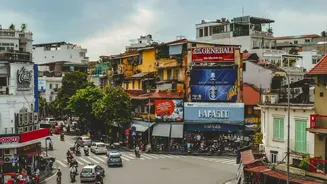
For travellers, the question isn't whether Vietnam is safe, but which part of Vietnam is best to visit. In September, the answer is clear: the risk is not evenly distributed. Central Vietnam (Da Nang, Hoi An, Hue): This region faces the highest risk of typhoons and prolonged storms in September and October. Flooding, especially in the low-lying ancient town of Hoi An, is a recurring issue. Many travel experts advise avoiding this region during this period or having extremely flexible plans. North Vietnam (Hanoi, Ha Long Bay, Sapa): The north is generally a better bet. While early September can still see the tail-end of summer rains and humidity, conditions tend to improve as the month progresses. By late September, Hanoi begins to cool down, and the mountain regions like Sapa showcase beautiful golden rice terraces. However, coastal areas like Ha Long Bay can still experience cruise cancellations due to storms rolling in from the sea. South Vietnam (Ho Chi Minh City, Mekong Delta): The south is in its monsoon season, but the pattern is often more predictable. Expect hot, humid days with heavy but usually short afternoon downpours. The risk of direct typhoon hits is low, making city exploration in Ho Chi Minh City quite manageable, especially in the mornings.
Advice for Travellers Who Have Already Booked
If your tickets are booked and your bags are packed, don't panic. The key is to be prepared and flexible. First, review your itinerary. If it's heavily focused on Central Vietnam, consider rerouting to the north. Many domestic flights connect major cities, and you might be able to change your plans without major financial loss. Secondly, contact your airline and hotels to understand their policies regarding weather-related cancellations or changes. Most importantly, ensure you have comprehensive travel insurance that explicitly covers disruptions caused by natural disasters. This is non-negotiable for travel during this season. Monitor weather forecasts from reliable sources as your travel date approaches.
How to Stay Safe if You Decide to Go
If you decide to proceed with your trip, a few practical steps can ensure your safety. Pack smart: bring a reliable raincoat, quick-drying clothes, and waterproof footwear. Avoid cotton and heavy jackets that will stay wet for days. Always have a waterproof bag or pouch for your passport, phone, and other electronics. Once in Vietnam, download a reliable weather app to stay updated on local forecasts. If a typhoon warning is issued for your area, follow the guidance of local authorities and your hotel staff. Avoid trekking or taking boat tours during heavy downpours or storm alerts. For Indian travellers, it's also wise to have an appropriate visa even if visiting a visa-exempt area like Phu Quoc, as emergencies might require travel to the mainland.
The Verdict: Adjust, Don't Necessarily Cancel
So, should Indian travellers change their destination plans? Not entirely, but you should definitely adjust them. A trip focused on North Vietnam, particularly in the latter half of September, can still be a fantastic experience with pleasant weather and fewer crowds. However, if your dream was to relax on the beaches of Da Nang or wander the lantern-lit streets of Hoi An, September is arguably the worst month to do so. The risk of your holiday being significantly impacted by severe weather is simply too high. The smarter move would be to either postpone your Central Vietnam itinerary to a drier season (like February to May) or pivot your September plans to explore the relative safety and autumnal charm of Hanoi and its surrounding northern provinces.