







What's Happening with the Rupee?
In simple terms, the Indian Rupee (INR) has been losing value against major global currencies, especially the US Dollar (USD). As of late August 2026, the exchange rate has been hovering around ₹95 to a dollar. This is a significant depreciation compared
to previous years. It means you now need to spend more rupees to buy the same amount of foreign currency. For instance, a product or service priced at $100 would now cost you ₹9,500, a noticeable increase from when the rupee was stronger.
Why Is the Rupee Weakening?
Several factors are contributing to the rupee's decline. A primary reason is the strength of the US Dollar, driven by rising interest rates in the United States, which attracts global investors. When foreign investors pull money out of Indian markets, they sell rupees and buy dollars, increasing the supply of rupees and weakening its value. Additionally, India's high import bill, particularly for crude oil which is priced in dollars, puts constant pressure on the currency. Global uncertainties, including geopolitical tensions, also lead investors to seek the 'safe-haven' of the US dollar, further denting the rupee's value.
The Impact on Your Travel Budget
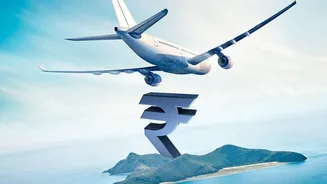
For anyone planning an overseas vacation, a weaker rupee translates to an immediate increase in costs. International trips are now estimated to be 12-20% more expensive. Everything from your flight tickets and hotel bookings to daily expenses like food and sightseeing becomes costlier because they are paid for in foreign currency. A trip to the US or Europe that might have cost ₹3 lakh could now require an additional ₹30,000 to ₹50,000. Even hidden costs like visa fees and travel insurance, which are often pegged to foreign currencies, will rise.
Costlier Imported Goods
It’s not just travel that is affected. The price of imported goods is also set to rise. This includes everything from electronics like laptops and smartphones to luxury items, machinery components, and even some food products. Importers have to spend more rupees to purchase the same goods, and these higher costs are often passed on to the consumer. So, the next time you shop for an imported gadget or a foreign brand, you may notice a higher price tag directly linked to currency movements.
A Major Hurdle for Students Abroad
Indian students studying overseas are among the hardest hit. A weaker rupee significantly increases the cost of tuition fees and living expenses when converted from rupees. A semester fee that was budgeted for can suddenly become insufficient, forcing families to arrange for additional funds or take out larger education loans. Over the course of a multi-year degree, this can add lakhs to the total cost of education, creating significant financial and mental stress for students and their families.
How You Can Soften the Blow
While you can't control exchange rates, you can take steps to manage the impact. If travelling, book flights and hotels well in advance to lock in prices. Using a multi-currency forex card can help you lock in an exchange rate before your trip and avoid high transaction fees. Consider destinations where the rupee is stronger, such as in Southeast Asia, which may offer better value. For purchases, budgeting for potential price increases on imported goods is wise. And for students, financial planning that accounts for currency fluctuations is more crucial than ever.