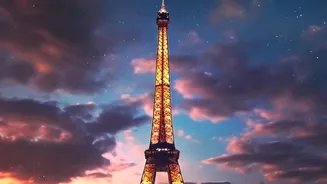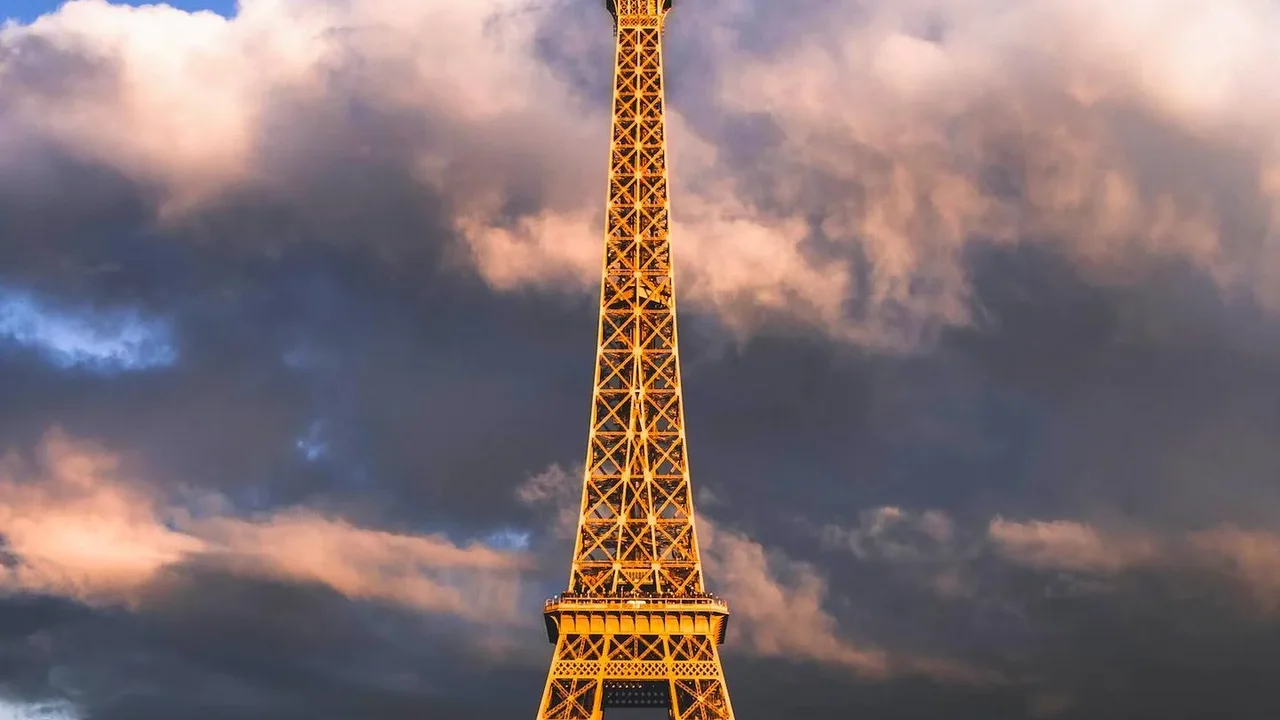


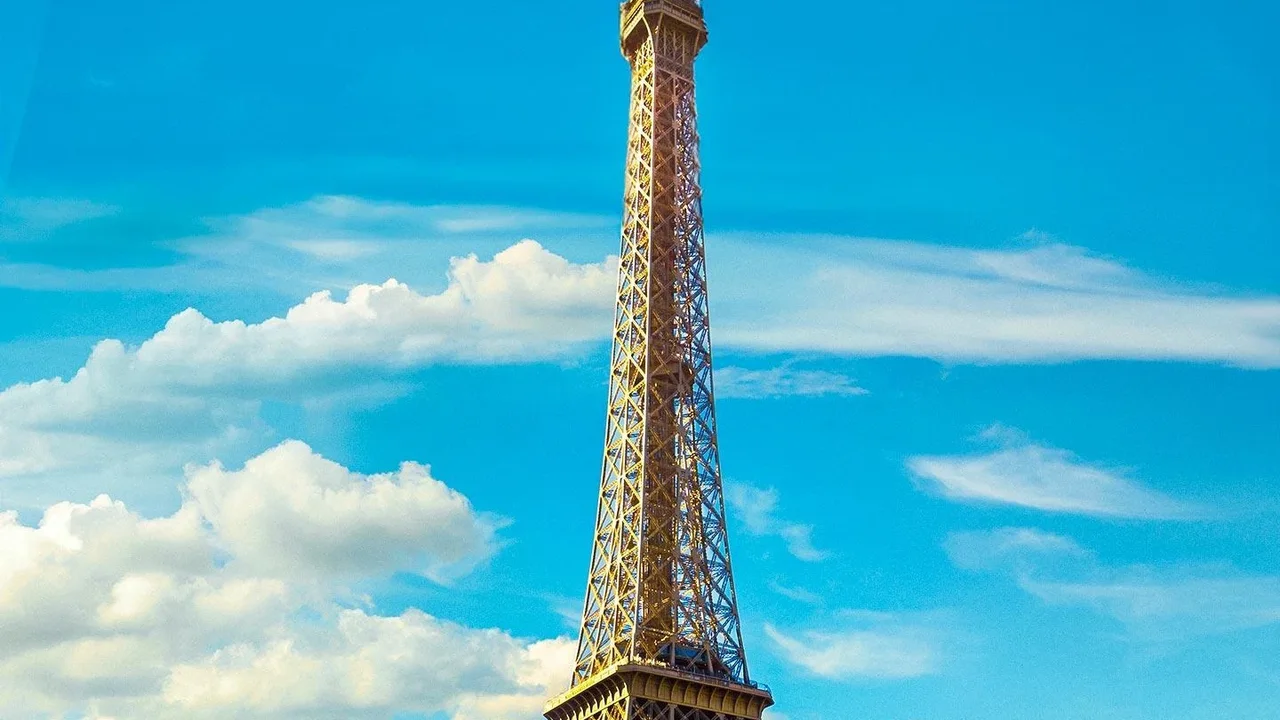
The dream of a Parisian holiday is powerful, filled with images of the Eiffel Tower and artistic masterpieces. But the reality can be a stressful blur of long queues and high costs. What if the best travel value isn't a plane ticket away?
The Dream Versus The Reality
France, particularly
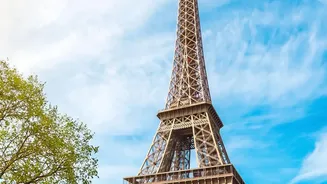
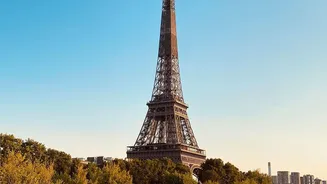
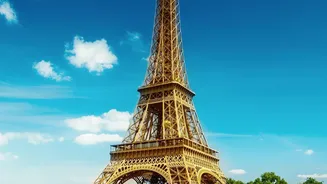
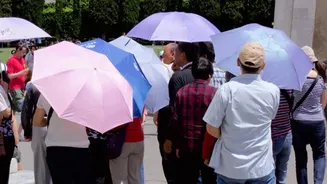
Paris, holds a special place in the global imagination. It promises romance, culture, and history. Millions flock there annually, hoping to capture that magic. Yet, for many, the experience is less about poetic moments and more about navigating immense crowds. Popular attractions like the Louvre or the Eiffel Tower often involve hours of waiting in line, shuffling shoulder-to-shoulder with thousands of other visitors. This phenomenon, known as overtourism, can dilute the very experience travellers seek, turning a cultural pilgrimage into a stressful, expensive endurance test. The pressure to see it all, combined with costs for entry, food, and transport, can leave you feeling exhausted rather than enriched.
Redefining Value in Your Travels
The headline's claim hinges on one word: value. If value is simply ticking off a world-famous landmark, then a crowded spot in France might win. But if value is about genuine connection, unexpected discovery, and mental well-being, the equation changes. The 'slow travel' movement champions this shift in mindset. It argues for quality over quantity, encouraging deeper immersion in a single place rather than a frantic dash between hotspots. Value, in this sense, becomes the richness of the experience, not the price tag of the flight. It’s about the joy of an unplanned detour, a conversation with a local artisan, or the peace of finding a quiet corner away from the tourist trail. These moments rarely happen when you're following a rigid, crowded itinerary.
The Untapped Goldmine of Your Own Neighbourhood
This is where the humble neighbourhood walk shines. It costs nothing but time. It’s a form of micro-exploration that delivers surprisingly rich rewards. By walking a route you normally drive, you see your own area with fresh eyes. You might discover a hidden park, a piece of street art, a historic building you've never noticed, or a family-run shop with a unique story. These walks stimulate your brain, providing new sensory input that breaks the monotony of routine and can boost creativity. They foster a deeper understanding of your own community's history and culture. The encounters are authentic, the discoveries are personal, and the environmental footprint is minimal. You support local businesses and gain a richer appreciation for the place you call home.
How to Become a Tourist in Your Own City
Embracing local exploration is easy. Start by dedicating a few hours one day to simply wander without a destination. Pick a neighbourhood you don't know well and just walk. Adopt a tourist's mindset: be curious, look up at the architecture, read the historical plaques you've always ignored, and allow for spontaneity. Use a map to find local green spaces or challenge yourself to find the best local coffee shop by asking residents for recommendations. You can even join a local walking tour—whether focused on food, history, or architecture—to learn the stories hidden in plain sight. The goal is to break your routine and see the familiar with the same sense of wonder you'd bring to a foreign country.