



Kerala: God's Own Country in Full Splendour
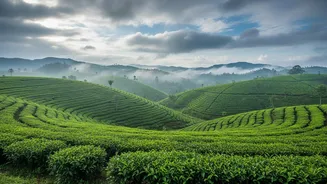
During the monsoon, Kerala transforms into a vibrant green paradise, making it a prime time for tourism. The season, which typically runs from June to September, brings cool, pleasant weather perfect for exploring. The rain isn't continuous; it often
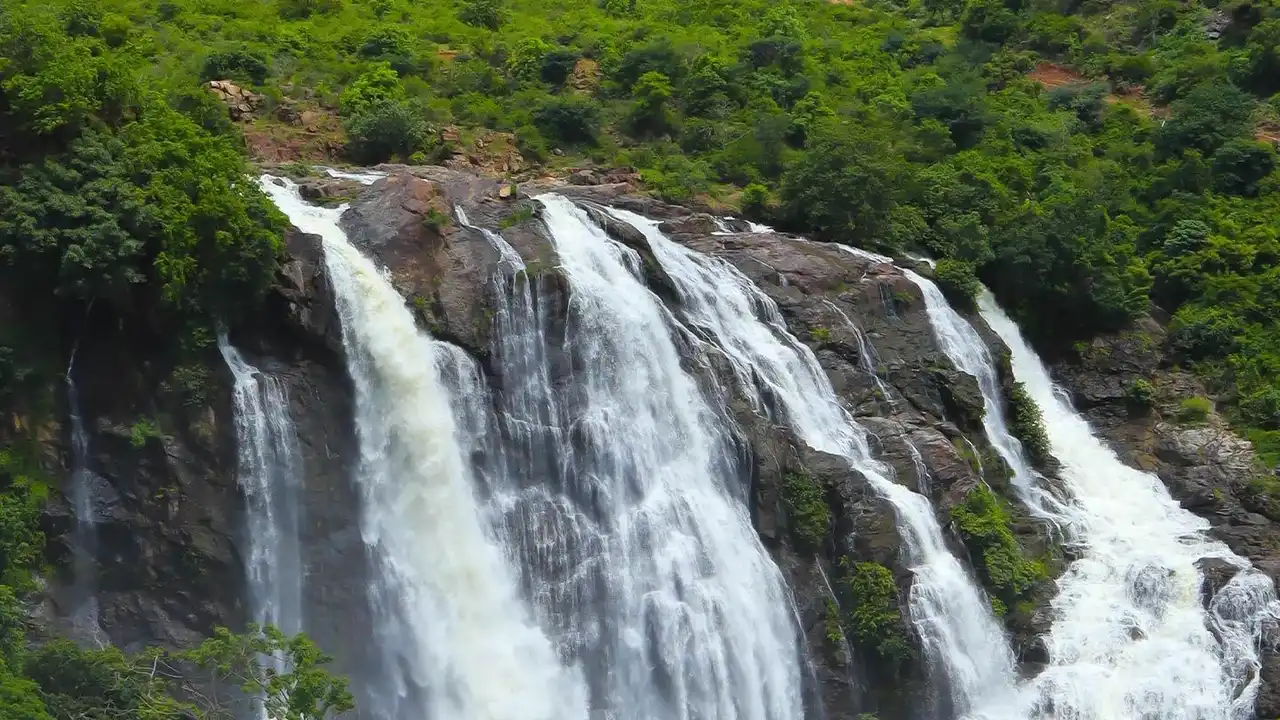
falls for a few hours before giving way to soft sunshine, creating a fresh, dust-free atmosphere. This is considered the best season for traditional Ayurvedic rejuvenation therapies, as the cool, moist air helps the body become more receptive to treatments. Houseboat cruises on the tranquil backwaters of Alleppey and Kumarakom offer a unique way to experience the rain-drenched landscape. The state’s famous waterfalls, like those in Munnar, are at their most powerful and spectacular during this time.
Coorg, Karnataka: The Scotland of India
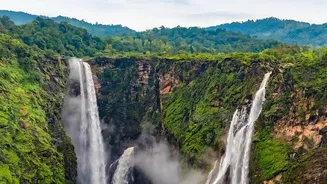
Often called the “Scotland of India,” Coorg in Karnataka becomes a verdant utopia during the monsoon. The rainy season, from June to September, breathes life into the region's coffee plantations, misty hills, and roaring waterfalls. The landscape turns a vivid green, offering a serene escape for nature lovers. Key attractions like Abbey Falls and Iruppu Falls are at their most magnificent. It's an ideal time for scenic drives through the Western Ghats and short treks on rain-washed trails, though caution is advised on slippery paths. Many travellers visit for the peaceful atmosphere, as it's less crowded than during the peak tourist season. A cup of freshly brewed local coffee enjoyed while watching the mist roll over the hills is a quintessential Coorg monsoon experience.
Goa: A Quieter, Greener Coast
While famous for sun and sand, Goa offers a completely different charm during the monsoon. From June to September, the crowds thin out, hotel rates drop, and the landscape becomes intensely green. The focus shifts from the beaches, where swimming is often restricted due to rough seas, to the state's lush interiors. This is the best time to visit Dudhsagar Falls, one of India's tallest waterfalls, which is at its most thunderous. Spice plantations near Ponda are fragrant and vibrant, and the old-world charm of Fontainhas, Goa's Latin Quarter, is enhanced by the rain. Local festivals like São João, where people jump into wells to celebrate the rains, offer a unique cultural experience not seen during the tourist season.
Udaipur, Rajasthan: The Romantic City of Lakes
Udaipur defies Rajasthan's desert stereotype, becoming an incredibly romantic destination during the monsoon. The rains, typically from July to September, fill the city’s famous lakes like Pichola and Fateh Sagar, and the surrounding Aravalli Hills turn a surprising shade of lush green. The weather becomes pleasant and the city is less crowded than in the peak winter season. A boat ride on a full Lake Pichola offers dramatic views of the rain-washed City Palace and Jag Mandir. The aptly named Sajjangarh (Monsoon Palace), perched atop a hill, provides panoramic vistas of the clouds rolling over the city. Strolling through the revived gardens of Saheliyon Ki Bari or sipping chai at a lakeside cafe becomes a simple yet profound pleasure.
Meghalaya: In the Abode of Clouds
For those who truly want to embrace the rain, there is no better place than Meghalaya, the “abode of clouds.” Home to Cherrapunji and Mawsynram, some of the wettest places on Earth, rain here is not just weather—it's a core part of the culture. During the monsoon, the state's famous waterfalls, such as Nohsngithiang Falls, are at their most majestic. This is the best time to see the incredible living root bridges, which stand strong against the heavy rainfall. The landscape is a canvas of deep valleys, mist-covered hills, and dramatic skies, making it a paradise for photographers and nature enthusiasts seeking an otherworldly experience.