


A Healthier, Heartier Indulgence
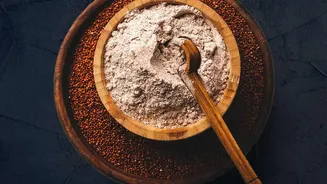
The dessert landscape in India is witnessing a quiet but significant transformation. Bakeries and cafes are reimagining classic sweets by incorporating traditional, nutrient-dense grains. At the forefront of this movement is the humble finger millet,
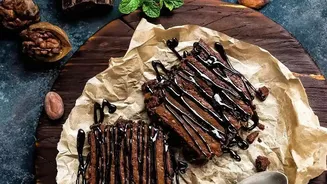
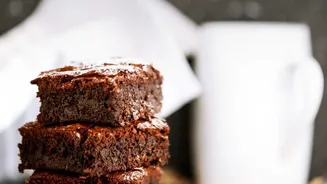
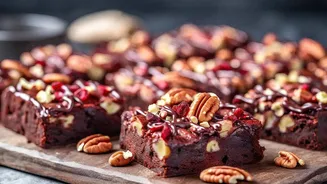
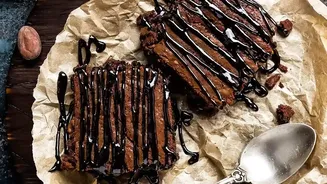
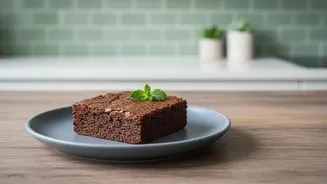
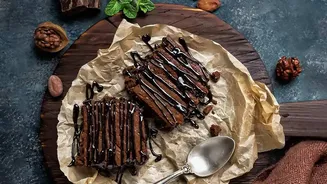
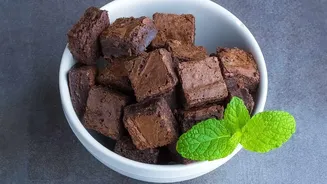
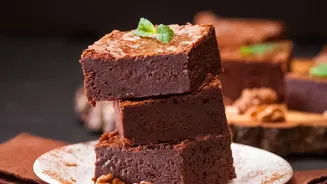
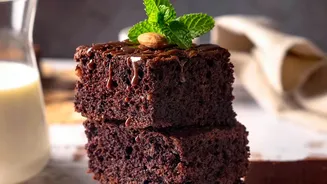
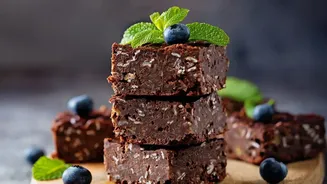
locally known as ragi. For generations, ragi was a staple food, especially in southern India, valued for its resilience and nutrition. Today, innovative pastry chefs are taking this heritage ingredient and giving it a modern, decadent twist by using it to bake chocolate brownies. The result is a dessert that satisfies cravings without the guilt often associated with refined flour (maida) and sugar. These brownies are not just a novelty; they represent a larger shift towards conscious eating, where health and flavour are no longer mutually exclusive.
The Nutritional Power of an Ancient Grain
So, why ragi? The nutritional profile of finger millet makes it a powerhouse ingredient. It is naturally gluten-free, making it an excellent choice for those with sensitivities. More importantly, it is packed with calcium, iron, and dietary fibre. The high fibre content helps in promoting a feeling of fullness, which can aid in weight management. Furthermore, ragi has a low glycemic index, meaning it releases sugar into the bloodstream slowly. This helps in managing blood sugar levels, a significant benefit compared to the sharp spikes caused by desserts made with refined flour. By swapping maida for ragi, chefs are creating brownies that are not only delicious but also contribute positively to one's health, offering a good source of minerals and sustained energy.
The Baker's Art and Science
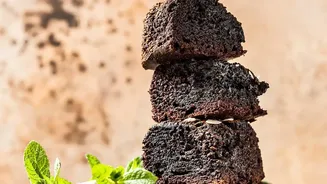
Baking with ragi flour presents a unique set of challenges and opportunities. Unlike wheat flour, ragi is gluten-free, which means it doesn't have the protein that provides structure and elasticity to baked goods. This could easily result in a dry, crumbly product. However, chefs have discovered that ragi's natural properties can be an advantage. The flour's fine, slightly dense texture lends itself perfectly to the fudgy consistency that brownie lovers covet. Ragi imparts a distinct earthy, nutty flavour that beautifully complements the deep, rich notes of dark chocolate. To ensure a moist texture, bakers often incorporate ingredients like mashed bananas, yoghurt, or oil, which also add to the dessert's nutritional value and flavour complexity. The deep brown colour of ragi even enhances the brownie's chocolatey appearance, making it visually indistinguishable from its traditional counterpart.
From 'Poor Man's Grain' to Premium Treat
The journey of ragi from a so-called 'poor man's grain' to a star ingredient in gourmet cafes is a story of cultural rediscovery. For years, millets were sidelined in urban diets in favour of wheat and rice. However, a renewed interest in sustainable agriculture, local ingredients, and ancestral food wisdom has brought them back into the spotlight. The Indian government's promotion of millets, including the UN-backed 'International Year of Millets' in 2023, has further accelerated this trend. Chefs are now champions of this movement, demonstrating that traditional ingredients can be both modern and aspirational. By placing ragi brownies on their menus, they are not just selling a dessert; they are reintroducing a piece of India's agricultural heritage to a new generation of consumers in a form that is both familiar and exciting.
Beyond the Brownie
While the ragi brownie might be the star of this dessert revolution, the trend extends far beyond it. The versatility of finger millet is being explored in a wide array of sweet treats. Creative bakers are now offering ragi pancakes, cookies, waffles, and cakes. These creations are proving that healthy eating doesn't mean sacrificing dessert. Traditional sweets are also getting a millet makeover, with recipes for ragi ladoos and puddings gaining popularity. This broader movement indicates a lasting shift in consumer preferences and culinary innovation. It shows a desire for food that is not only tasty but also connected to its roots and beneficial for the body.