






The Science of Summer Muscle Cramps
Ever been stopped in your tracks by a sudden, sharp muscle spasm during a hot-weather run or workout? You’re not alone. These are often called heat cramps, and they signal that your body is struggling with the conditions. When you exercise in the heat,
your body sweats to cool down. This is a vital process, but you lose more than just water. Your sweat contains crucial minerals known as electrolytes, including sodium, potassium, calcium, and magnesium. These electrolytes are essential for proper muscle function; they act like tiny electrical signals that tell your muscles when to contract and relax. When you lose too many electrolytes through heavy sweating, this communication system gets disrupted, leading to involuntary and painful muscle contractions, or cramps. Dehydration compounds the problem by reducing the fluid volume your muscles need to work smoothly.
Coconut Water: Nature’s Potassium Boost
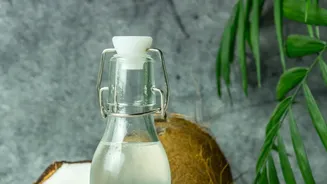
This is where coconut water enters the picture. Often called “nature’s sports drink,” it’s a popular choice for hydration because it’s naturally packed with electrolytes. Its standout nutrient is potassium. A single cup of coconut water can contain around 600 mg of potassium, a significant portion of your daily needs. Potassium is vital for muscle health, as it helps regulate fluid balance within your cells and is necessary for muscle contractions and nerve function. For light to moderate workouts, coconut water can be an excellent alternative to sugary sports drinks, helping to replenish lost fluids and minerals without artificial additives. It provides a quick source of natural energy from its carbohydrate content and is generally easy on the stomach.
Why You Need to Add Salt
While coconut water is a potassium powerhouse, it is naturally low in sodium. This is a problem for anyone sweating heavily, because sodium is the primary electrolyte you lose in sweat. In fact, low sodium levels are strongly linked to exercise-associated muscle cramps. Drinking large amounts of plain water—or even just coconut water—after significant sweat loss can dilute the remaining sodium in your body, potentially making cramps more likely. Adding a pinch of salt (sodium chloride) to your pre-workout drink addresses this imbalance directly. The added sodium helps your body hold onto the water you’re drinking, improving overall hydration and ensuring your muscles have the key mineral they need to function correctly under stress. This sodium-potassium partnership is critical for maintaining the proper electrical and fluid balance your muscles demand during intense exercise.
Your Pre-Workout Cramp-Busting Recipe
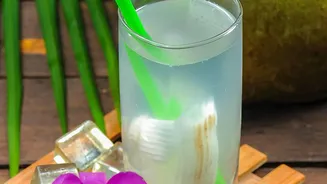
Creating this natural pre-workout drink is simple. The goal isn’t to make it taste salty, but to add just enough sodium to be effective. A good starting point is to mix about 1/8 to 1/4 of a teaspoon of high-quality salt, like sea salt or Himalayan pink salt, into a litre of coconut water. You can start with a smaller amount and adjust based on your needs and the intensity of your workout. Drink about 500-600 ml of this mixture one to two hours before you start exercising. This gives your body time to absorb the fluids and electrolytes, setting you up for success before you even begin to sweat. For workouts lasting longer than an hour, you can also sip on it during your session to continuously replace what you’re losing.
Important Considerations Before You Sip
This hydration strategy is most beneficial for individuals who engage in intense exercise, workout in hot and humid conditions, or are generally “salty sweaters” (you notice white, salty residue on your skin or clothes after a workout). For light exercise in a cool environment, plain water is often sufficient. It’s also crucial to be mindful of your overall sodium intake. Most people already get plenty of sodium in their daily diets. However, for those undertaking strenuous activity, targeted sodium replacement can be key. Individuals with high blood pressure, kidney disease, or other heart-related conditions should be cautious about adding extra salt to their diet and should consult their doctor before making any changes.