

The Constant Battle in the Fields
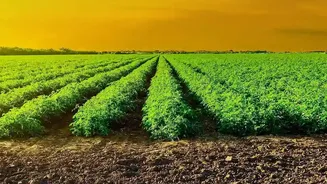
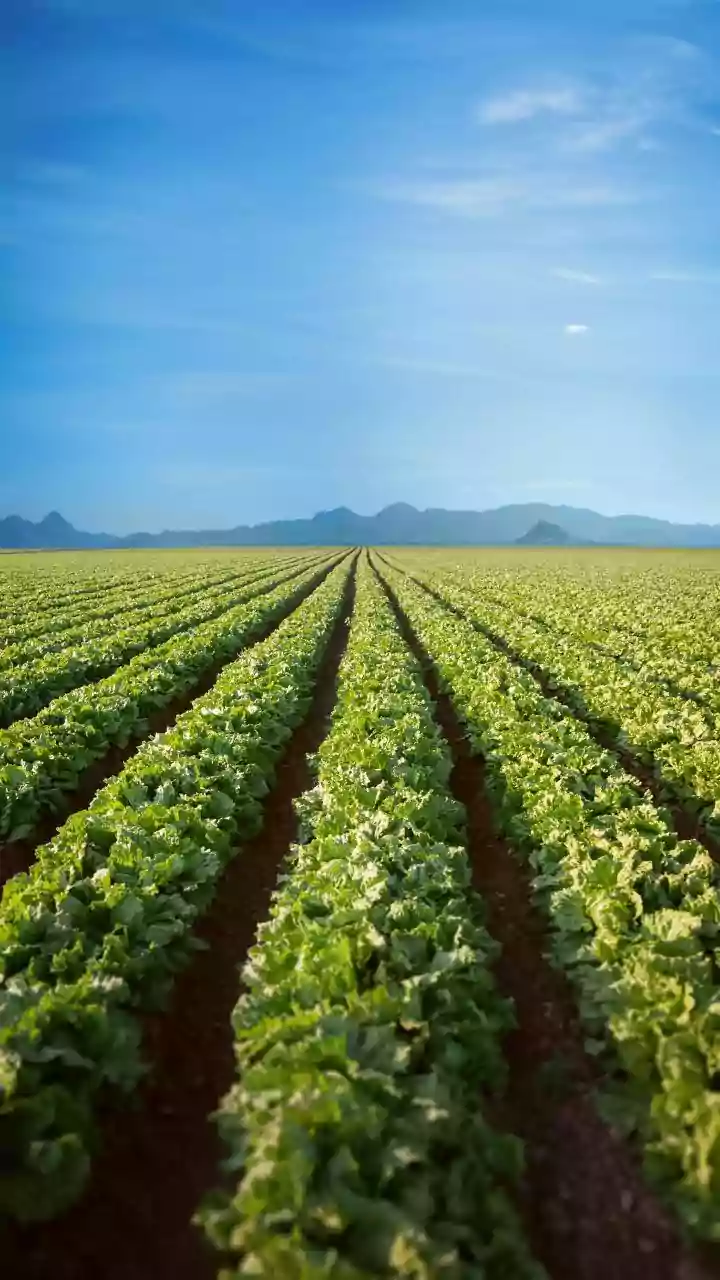
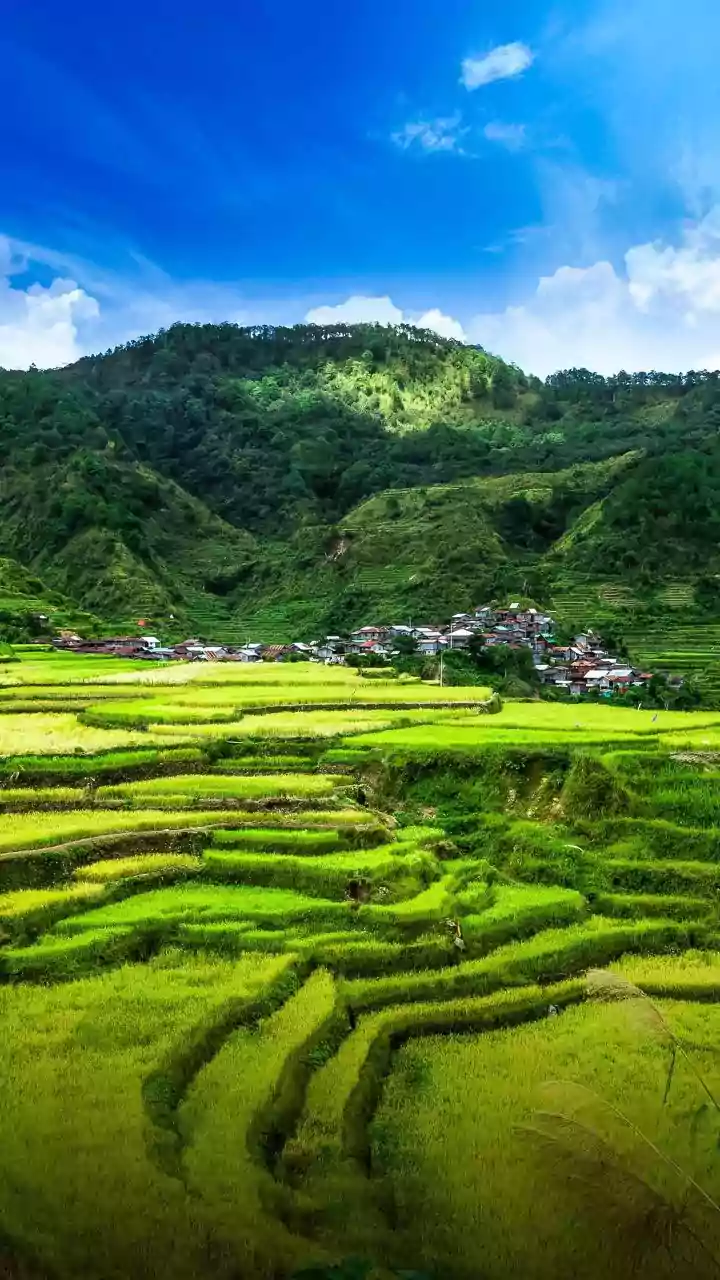
Farming in India is a high-stakes profession, where an entire season's hard work can be wiped out by factors beyond a farmer's control. In Maharashtra, unpredictable weather, from untimely rains to drought, creates ideal conditions for pests and fungal
diseases to thrive. Historically, identifying these threats has been a manual, time-consuming process, often relying on guesswork or the costly advice of an expert who may not be readily available. Diseases like leaf rust, powdery mildew, and viral infections can devastate key crops like soyabean, cotton, and sugarcane. By the time symptoms are obvious to the naked eye, it can be too late for effective intervention, leading to significant financial losses and threatening food security. This reactive approach often results in the overuse of pesticides, increasing costs and environmental impact without guaranteeing a saved harvest.
An Agronomist in Your Pocket
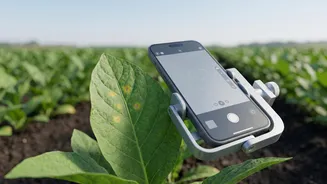
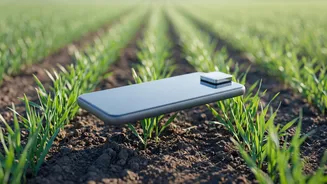
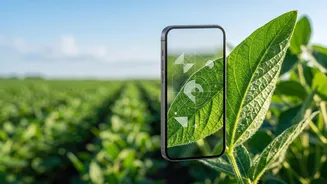
The game-changer is a new wave of accessible artificial intelligence, often referred to as 'small AI', designed to work on basic smartphones, even in areas with limited connectivity. Several applications, such as Plantix, Agrio, and government-supported platforms like MahaVISTAAR-AI, are putting the power of a diagnostic lab directly into farmers' hands. The process is remarkably simple. A farmer takes a photo of a suspicious-looking leaf or stem with their phone. The image is uploaded to the app, where a sophisticated AI model, trained on millions of images of plant diseases, analyzes it in seconds. The AI uses computer vision to identify tell-tale signs like spots, discoloration, or wilting, comparing them to a vast database of known diseases and pests.
From Diagnosis to Action
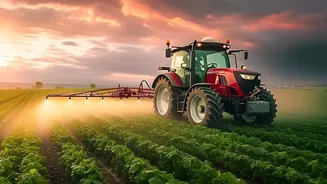
Within moments, the app delivers a diagnosis with a high degree of accuracy, identifying the specific disease or pest. But it doesn't stop there. The system also provides crucial next steps, including tailored treatment recommendations and integrated pest management (IPM) protocols. For farmers, this means they can move from detection to targeted action almost instantly. This early warning system allows for precise application of the correct fungicide or pesticide, rather than broad, speculative spraying. It reduces input costs, minimises chemical usage, and, most importantly, stops the disease before it can spread and destroy the crop. In a pilot project in Maharashtra, AI-guided practices have already shown positive results, with thousands of farmers reporting benefits.
The Technology Powering the Change
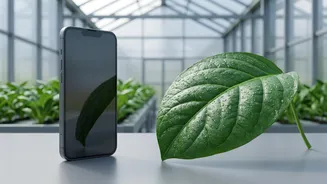
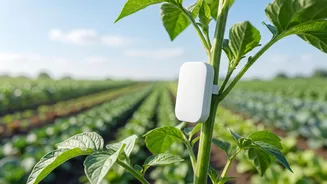
This agricultural revolution is driven by the convergence of several technologies. The modern smartphone is a powerful sensor package, equipped with high-resolution cameras and GPS capabilities. The AI itself consists of complex algorithms called Convolutional Neural Networks (CNNs), which are specifically designed for image recognition. This is supported by a growing digital ecosystem in India. Government initiatives like MahaAgri-AI in Maharashtra are fostering these innovations, often with support from global partners like the World Bank. Companies and startups such as Plantix, Intello Labs, and CropIn are developing and refining these tools, building vast datasets that make the AI smarter with every image uploaded. This collaborative effort between public and private sectors is crucial for making the technology robust, accessible, and truly useful for the smallholder farmers who form the backbone of Indian agriculture.
Scaling Up for a Greener Future
The success of these AI tools in Maharashtra is a promising sign for the future of Indian agriculture. The potential to scale this technology across the country is immense. By providing timely, data-driven advice in local languages, these apps empower farmers to make smarter decisions, increase their productivity, and strengthen their resilience against climate volatility. The challenges of digital literacy and consistent internet access remain, but the rapid spread of smartphones into rural India is paving the way for wider adoption. These AI-powered tools are more than just a novelty; they represent a fundamental shift towards precision agriculture, where data, not guesswork, drives decisions. This transition is essential for improving yields, securing livelihoods, and ensuring a sustainable food supply for a growing population.