



The Modern Wellness Maze
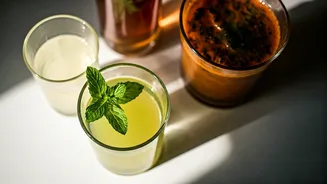
Walk down the refrigerated aisle of any upscale grocery store, and you'll find a rainbow of beautifully packaged promises. There’s kombucha, the fizzy, fermented tea promising a gut-health revolution. Next to it, you might find cold-pressed juices that
pack kilos of produce into one tiny, pricey bottle. Then there are the exotic options: activated charcoal drinks that look like liquid night, and protein waters that promise muscle without the milkshake. These drinks aren't just beverages; they are lifestyle statements, sold with a narrative of purity, performance, and elite health. But they also come with a hefty price tag, confusing labels, and, often, a surprising amount of hidden sugar to make them palatable. The modern wellness market has become a complex and costly maze, leaving many of us wondering if we’re paying for actual health benefits or just clever marketing.
Enter the Humble Hero: Chaas
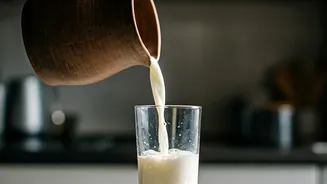
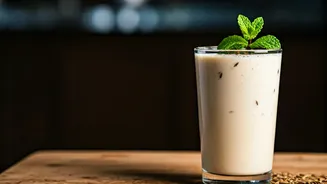
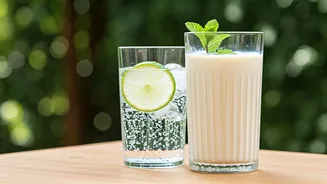
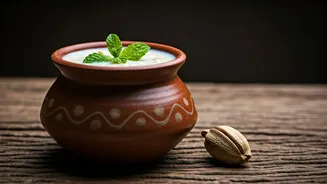
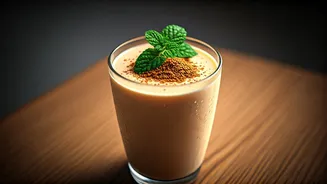
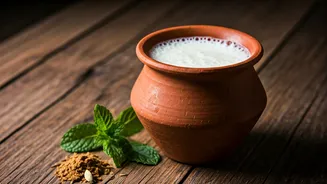
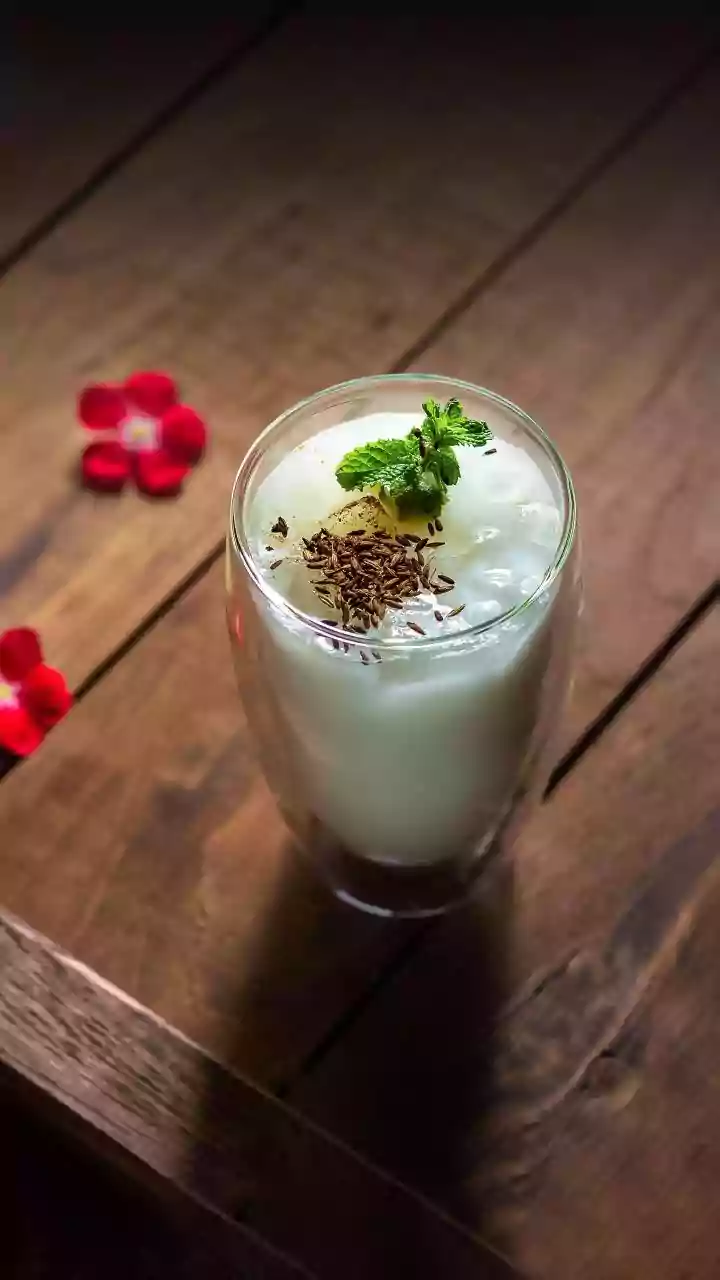
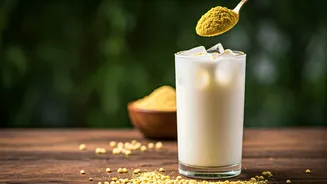
Now, let's step away from that confusing aisle and into the heart of an Indian home. Picture a hot afternoon. The simple, rhythmic sound of a wooden mathani churning yogurt in an earthen pot. The result? A frothy, cooling glass of chaas (or majjige, moru, sambaram, depending on where you are). Lightly salted, perhaps spiced with roasted cumin, ginger, and fresh coriander, it’s the drink that has refreshed generations. Buttermilk is not a trend; it's a tradition. It’s the humble, everyday antidote to heat and indigestion. It doesn't need a fancy bottle or an Instagram filter. Its value lies in its simplicity, its accessibility, and the generations of trust it has earned as a staple of digestive wellness. This isn't a new discovery; it's ancient wisdom waiting to be appreciated in a new light.
The Gut Health Grudge Match
The biggest selling point for many modern wellness drinks like kombucha is probiotics—the “good bacteria” essential for a healthy gut. And they do contain them. However, commercial kombuchas can be a mixed bag. To control fermentation and ensure a long shelf life, some are pasteurised, which kills the very probiotics they advertise. Many are also loaded with sugar to feed the fermentation process and improve taste, which can counteract some of the benefits. Traditional buttermilk, on the other hand, is a natural probiotic powerhouse. The live cultures from the yogurt (dahi) used to make it, such as Lactobacillus, help maintain a healthy balance of gut flora. Because it’s made fresh, the probiotics are alive and active. It's a gentle, natural, and time-tested way to support your digestive system without the added sugars or the uncertainty of commercial processing.
Hydration and Cooling Power
On a scorching Indian summer day, what your body truly craves is hydration. Buttermilk is about 90% water, making it an excellent hydrator. But it goes a step further. It's packed with electrolytes like potassium, which are lost through sweat. The salt typically added to chaas helps the body retain water and replenish sodium. This combination makes it far more effective at rehydrating you than plain water and certainly better than many sugary drinks that can actually be dehydrating. Unlike caffeinated beverages or some "detox" teas that have a diuretic effect, buttermilk quenches thirst and replenishes the body. Its reputation as a "cooling" drink isn't just folklore; by restoring fluid and electrolyte balance, it genuinely helps the body regulate its temperature and fight heat exhaustion.
The Price of Wellness
Let's talk about the most straightforward comparison: cost. A single bottle of a premium wellness drink can cost anywhere from ₹150 to ₹400. Making this a daily habit is a significant financial commitment, putting "wellness" out of reach for many. Now consider buttermilk. It is, by a massive margin, one of the most affordable health drinks on the planet. You can make a large batch at home for a fraction of the cost using a bit of yogurt, water, and common spices. Even if you buy it from a local dairy or restaurant, a glass of fresh chaas is incredibly economical. This isn't just about saving money; it’s about democratising health. Buttermilk proves that you don't need a large disposable income to take care of your body. True wellness should be accessible, not exclusive.
Beyond the Bottle: Purity and Simplicity
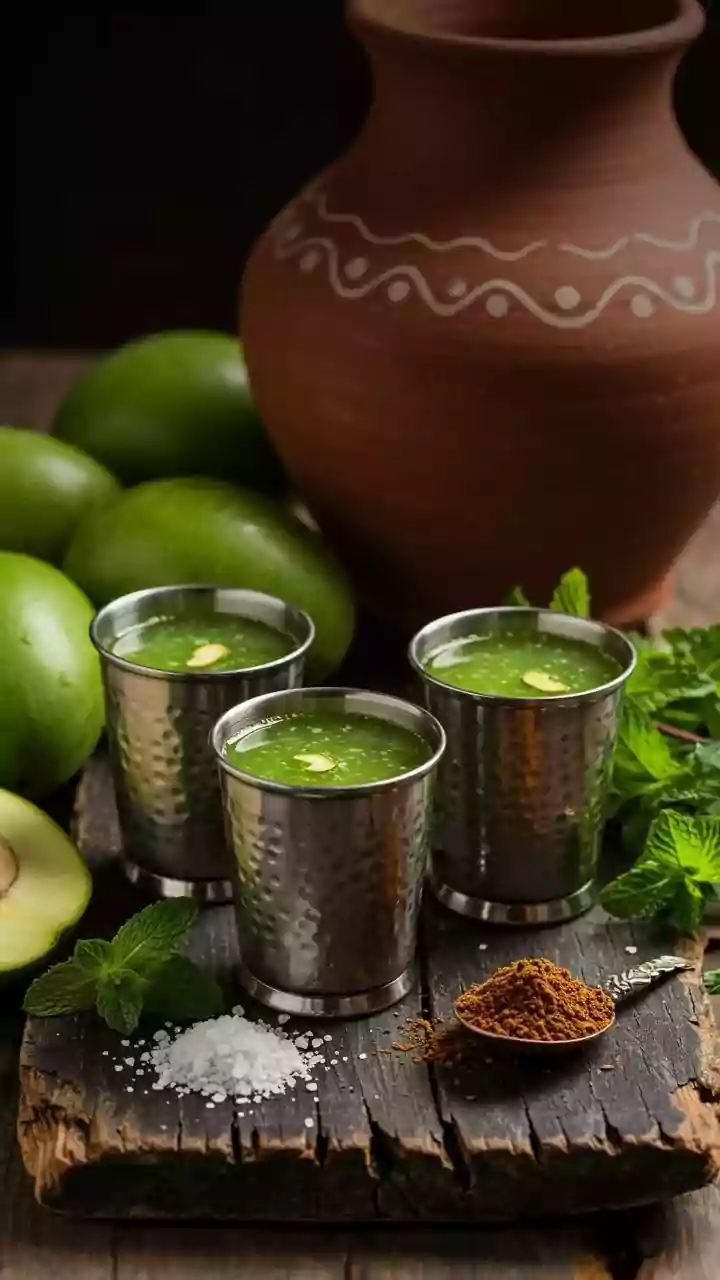
Look at the ingredients list on a bottle of traditional homemade buttermilk: yogurt, water, salt, and maybe a few fresh spices. You know exactly what you’re consuming. There are no preservatives, no stabilisers, no "natural flavours," and no unpronounceable chemicals. This simplicity is its strength. Many packaged wellness drinks, despite their healthy image, contain additives to maintain colour, taste, and shelf life. While not always harmful, they represent a move away from clean, whole foods. With buttermilk, you are in complete control. You can adjust the salt, skip the spices, or add herbs like mint for extra freshness. This level of purity and customisation is a luxury that no mass-produced beverage can truly offer. It’s a direct connection between you and the wholesome food you are putting into your body.