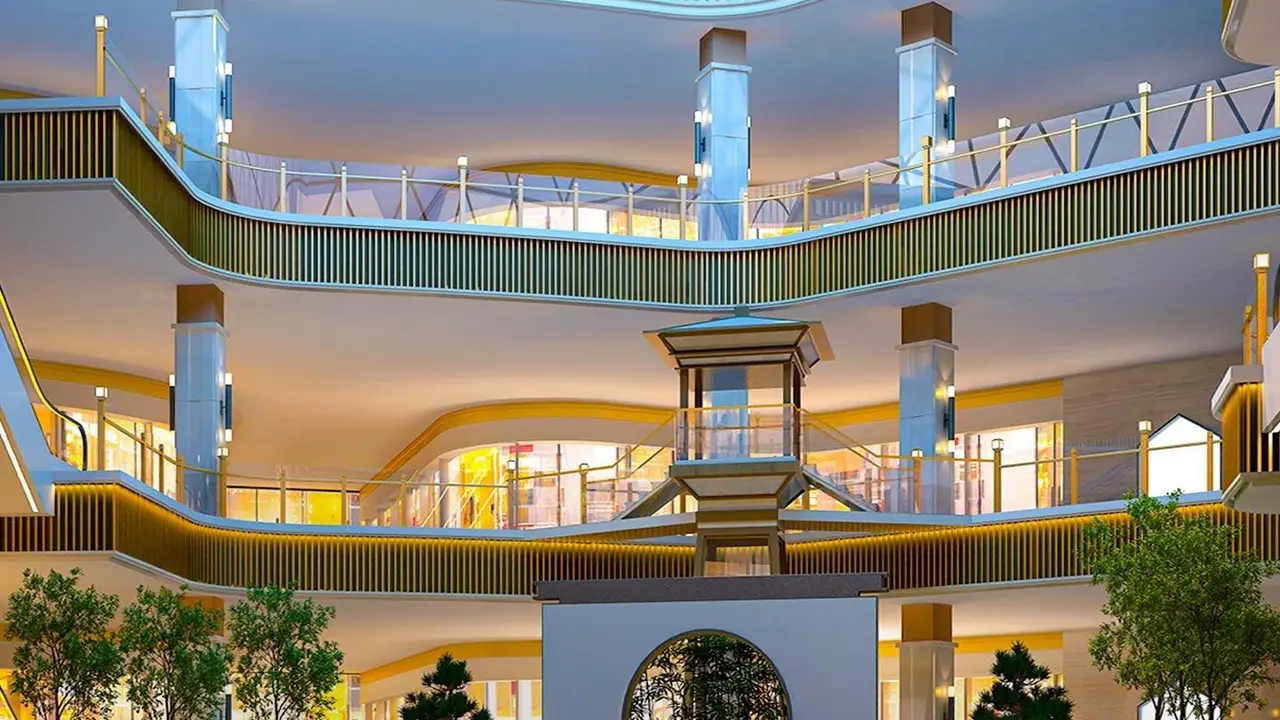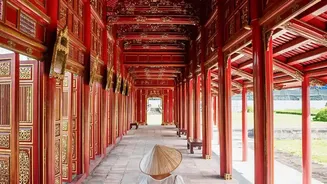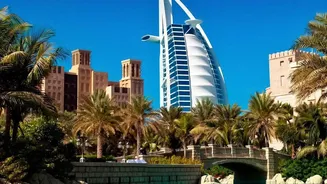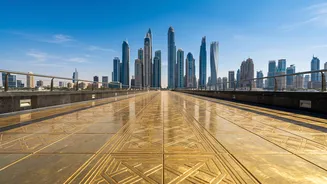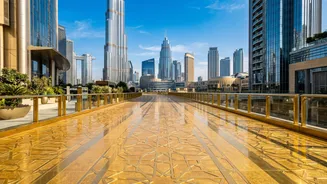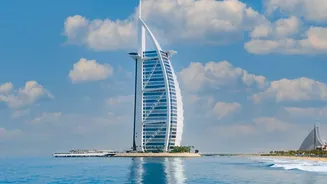




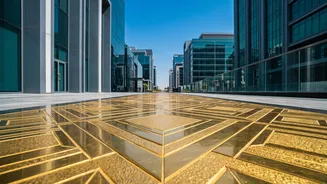
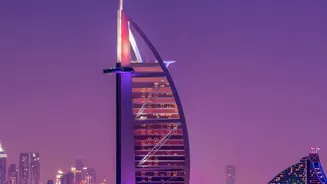
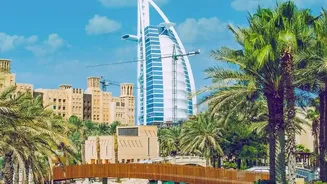
A walkway paved with 24-carat gold. It sounds like a fantasy, but in a city known for its superlatives, it feels strangely plausible. But is Dubai really building a golden path for tourists, or is this just another glittering legend?
A Story That Glitters
Whispers of a dazzling
new tourist attraction have captured the imagination: a walkway made of pure, 24-carat gold. The story spread like wildfire, painting a picture of unparalleled luxury, even for Dubai. However, despite the buzz, a thorough check of official announcements and reports from the city's developers reveals no concrete plans for such a project. As of late 2026, the 24-carat gold walkway appears to be a myth. There are no permits filed, no construction timelines announced, and no official statements from Dubai's Road and Transport Authority or its tourism board. The idea seems to exist only in headlines and hopeful conversations, a testament to the power of Dubai's brand. But the fact that such an audacious rumour is so easily believable says more about the city than any single project ever could.
The City of Superlatives
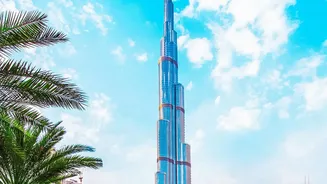
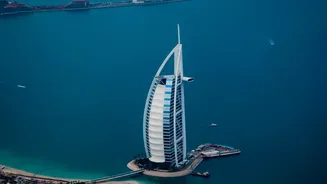
So why does a story about a golden footpath feel so real? Because Dubai has spent decades building a reputation on turning the impossible into reality. This is the city that gave the world the Burj Khalifa, the tallest man-made structure on Earth. It is home to the Palm Jumeirah, a colossal palm-tree-shaped archipelago visible from space. It boasts a sprawling indoor ski resort in the middle of the desert and is dotted with hotels offering gold-leaf cappuccinos and gold-dispensing ATMs. The famous Gold Souk, a traditional market with hundreds of retailers selling tonnes of gold, already makes the precious metal a central part of the visitor experience. In a city that has consistently prioritised spectacle and luxury, the idea of a gold-paved walkway doesn't just sound possible; it sounds like the next logical step in a long line of jaw-dropping achievements. This is the context in which fantasy becomes plausible.
What Is Actually Being Built?
While a golden walkway might not be on the cards, Dubai's real-life ambitions are no less staggering. The city is pouring resources into a series of mega-projects designed to redefine urban living and tourism. One of the most talked-about concepts is 'The Loop', a proposed 93-kilometre, climate-controlled highway exclusively for cycling and walking. This glass-enclosed structure aims to connect over three million residents, allowing them to traverse the city on foot or by bike year-round in a park-like environment, powered entirely by renewable energy. Furthermore, the expansion of Al Maktoum International Airport is underway, with the goal of creating the world's largest airport, capable of handling more than 260 million passengers annually. These projects, focused on sustainability and connectivity, signal a future that is as ambitious as any golden path, but rooted in practical, forward_thinking innovation.
Dubai's Blueprint for the Future
These massive undertakings are key components of the Dubai Economic Agenda D33, a sweeping strategy to double the size of the city's economy by 2033 and solidify its status as one of the top three global cities for business and tourism. The government's blueprint focuses on attracting foreign investment, fostering innovation, and dramatically enhancing the quality of life for its residents. The goal is not just to build oneoff attractions, but to create an integrated, hypermodern ecosystem that keeps visitors and talent coming back. The underlying strategy is clear: continuous, headlinegrabbing development is the engine of Dubai's relevance. Each new project, whether it's the world's biggest airport or a visionary urban highway, serves as a global marketing campaign, reinforcing the message that Dubai is a city where the future happens first.