


The Rise of Biophilic Design
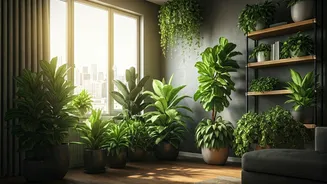
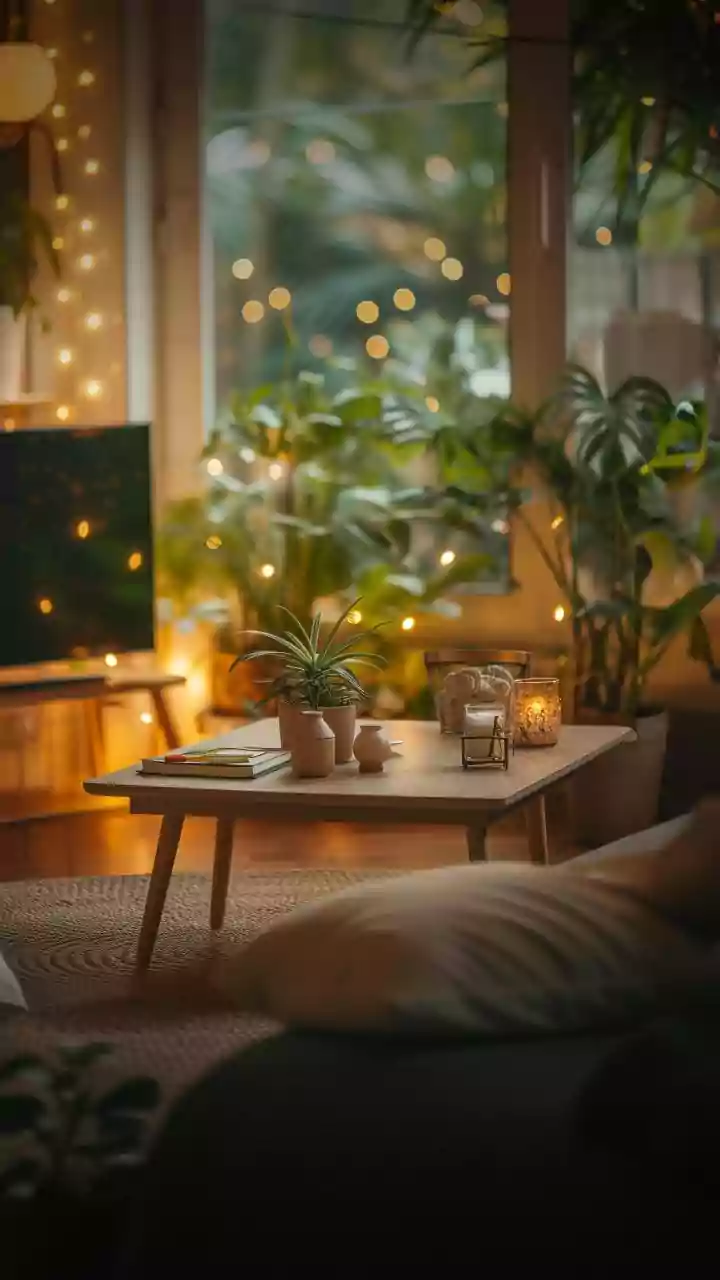
One of the biggest drivers of this trend is a design philosophy called 'biophilic design'—a fancy term for our innate need to connect with nature. These viral homes masterfully blur the lines between indoors and outdoors. Think floor-to-ceiling windows
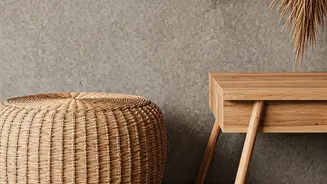
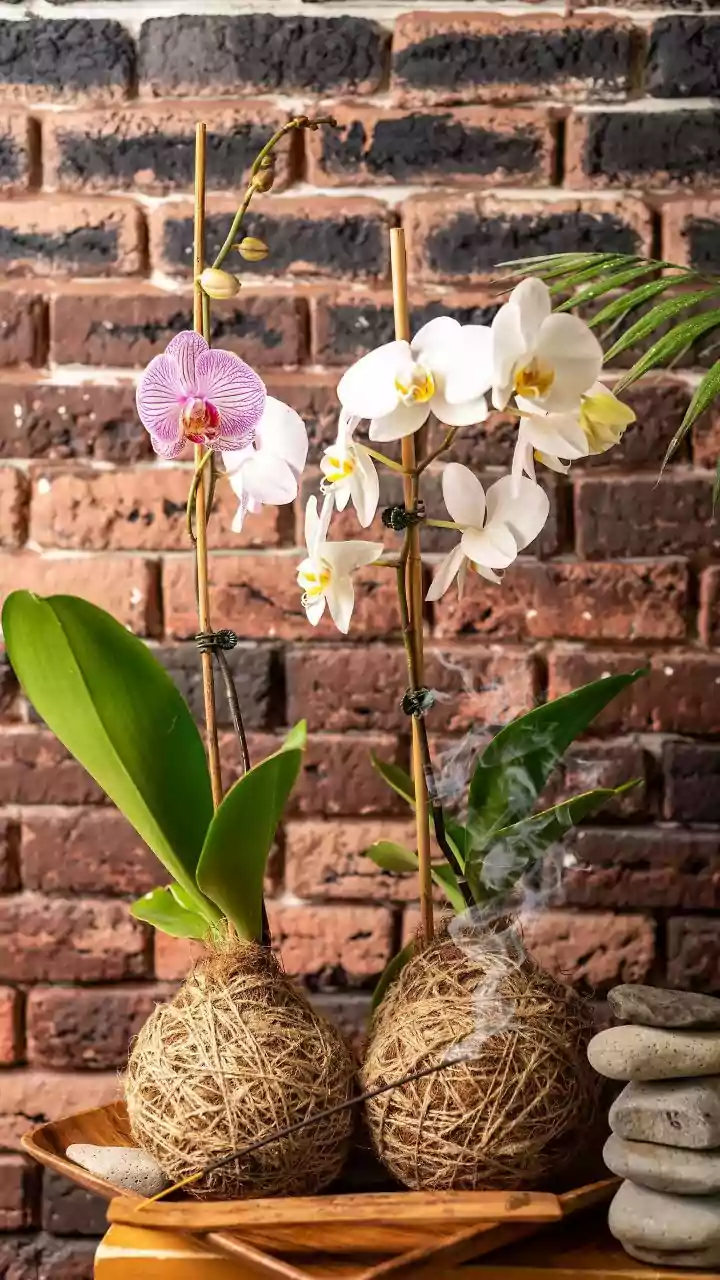
that frame a lush garden, interior courtyards with trees growing through the living room, or bathrooms that open into private green spaces. In a world where many of us spend our days staring at screens, this visual connection to nature feels like a balm for the soul. It's not just about looking good on Instagram; studies show that incorporating natural elements into our homes can reduce stress and improve creativity. Architects are using materials like exposed brick, natural stone, and unfinished wood to create spaces that feel both rustic and incredibly modern.
Upcycling Goes Ultra-Chic
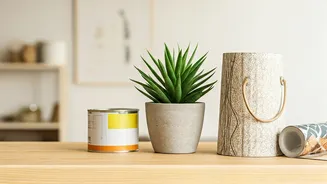
The stigma once attached to recycled materials is long gone. Today, upcycling is a mark of ingenuity and style. The most popular eco-homes showcase this brilliantly. We're seeing discarded shipping containers being transformed into sleek, modular homes. Old building materials, like timber beams from a demolished haveli or colourful tiles from a forgotten factory, are being given a second life as statement features. Even waste plastic is being converted into durable, lightweight bricks. This approach does more than just reduce landfill waste; it imbues a home with a sense of history and character. Every reclaimed piece tells a story, making the space unique and deeply personal—a quality that mass-produced homes simply can't replicate.
The Small Footprint Dream
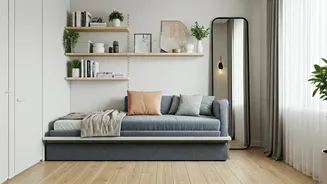
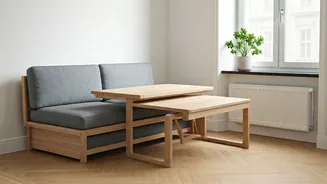
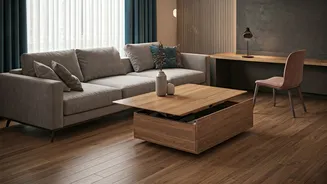
The 'tiny home' movement is a major part of the eco-friendly wave. These compact dwellings, often under 500 square feet, champion a minimalist lifestyle that resonates with a growing number of people. Going small means consuming less—less energy, fewer materials, and a significantly smaller carbon footprint. But the appeal is also financial. With property prices soaring in Indian cities, the idea of a beautiful, custom-built home that is also affordable is incredibly attractive. Viral videos often show off the clever, space-saving designs inside these homes: convertible furniture, hidden storage, and multi-functional spaces that make a small area feel surprisingly spacious and liveable. It's a powerful statement against the 'bigger is better' mentality.
Energy Independence is a Flex
Another feature that gets a lot of attention online is the move toward self-sufficiency. Eco-homes are often designed to be partially or fully 'off-grid.' This means they generate their own power and manage their own resources. You’ll see homes covered in sleek solar panels that power the entire house, sophisticated rainwater harvesting systems that collect and filter water for daily use, and passive design techniques that keep homes cool without air conditioning. In a country like India, with its abundant sunshine and seasonal monsoons, these features are not just environmentally conscious but also incredibly practical. They offer a sense of security and independence from unreliable public utilities and rising energy costs, which is a powerful draw.
Living Roofs and Walls
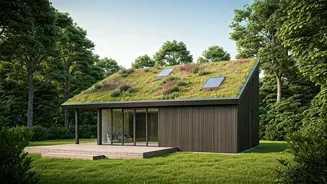
Perhaps the most visually stunning trend is the integration of plant life directly onto the building itself. 'Living roofs' or 'green roofs'—where the top of a house is covered in soil and plants—are becoming increasingly common. These roofs are not just beautiful; they provide excellent insulation, reducing heating and cooling costs. They also absorb rainwater, reduce storm runoff, and create a mini-habitat for birds and insects. Similarly, 'living walls' or vertical gardens are being used both inside and outside, turning blank walls into vibrant tapestries of greenery. They help purify the air and naturally cool the surrounding environment. It’s this kind of visible, innovative 'greenness' that makes these homes so shareable and aspirational.