







Alleviating the Strain on Megacities
For decades, Mumbai’s Chhatrapati Shivaji Maharaj International Airport (CSMIA) has been the primary gateway to western India. However, as one of the world's busiest single-runway airports, it has been operating at or near full capacity, leading to frequent
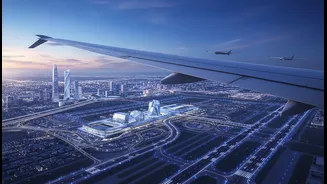
congestion, delays, and a limit on new flights. The recently inaugurated D.B. Patil International Airport in Navi Mumbai is poised to be a game-changer. By providing a second, state-of-the-art international gateway for the Mumbai Metropolitan Region, it will drastically reduce the pressure on CSMIA. This will not only improve the travel experience for passengers with fewer delays but also open up valuable slots at the existing airport, allowing for much-needed infrastructure upgrades and better flight management across the board.
Connecting India's Heartland to the Globe
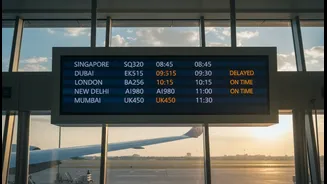
The story of Indore's Devi Ahilya Bai Holkar Airport highlights a different, but equally important, trend: the rise of Tier-2 cities as direct international hubs. Previously, a traveller or businessperson from Madhya Pradesh heading abroad had to undertake a multi-leg journey, usually transiting through Delhi or Mumbai. The recent resumption and addition of direct international flights from Indore to hubs like Abu Dhabi and Sharjah changes that narrative completely. This direct access saves precious time and money, making international travel less daunting for families, students, and first-time flyers from India's heartland. It is a crucial step in democratizing air travel and ensuring the benefits of global connectivity are not limited to the traditional metro cities.
A Powerful Engine for Business and Trade
Direct international air links are powerful economic catalysts. For a major commercial and industrial hub like Indore, which serves as the backbone for sectors like pharmaceuticals, textiles, and automobiles in the region, these flights are transformative. They facilitate easier travel for executives, enable faster movement of high-value and time-sensitive cargo, and make the region significantly more attractive for foreign direct investment. Similarly, the Navi Mumbai airport is set to supercharge the already thriving economy of its surrounding areas, which include major IT parks, special economic zones, and manufacturing belts. Better connectivity directly translates to a more competitive business environment, fostering job creation and integrating local economies more deeply into the global supply chain.
Unlocking New Tourism Circuits
The impact on tourism is perhaps one of the most exciting outcomes. Direct flights to Indore open up central India's incredible tourism potential to the world. International visitors can now fly directly to explore the historical forts of Mandu, the spiritual city of Ujjain, and the region's rich wildlife, bypassing the traditional tourist trail. This boosts local economies, from hotels to tour guides, and encourages a more distributed model of tourism. For Navi Mumbai, the new airport serves as a convenient gateway not just to Mumbai but to the entire Konkan coast, as well as popular destinations like Lonavala, Khandala, and Pune. This will encourage the development of new travel itineraries and bring fresh waves of tourists to previously overlooked areas, providing a significant boost to regional hospitality.