




A Dance of Gods and Demons
For centuries, the monasteries of Ladakh have been the stage for a spectacular spiritual tradition: the Cham dance. Performed during annual festivals like the famous Hemis Tsechu, these are not mere performances. They are profound religious rituals, a form of meditation
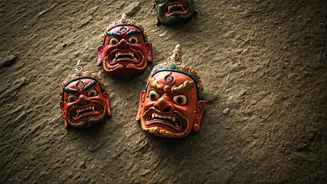
where monks don colourful silk robes and elaborate, sometimes fearsome, masks representing deities, demons, and spirits from the Tibetan Buddhist pantheon. Each movement is symbolic, a carefully choreographed enactment of the triumph of good over evil and the subduing of the human ego. The dances, or ‘Chams’, are believed to cleanse the land of evil spirits and bestow blessings upon all who witness them. For generations, these festivals were primarily attended by local devotees, a deeply communal and spiritual affair set against the breathtaking backdrop of the Himalayas.
The New Wave of Pilgrims
In recent years, however, the audience has dramatically transformed. The quiet crowds of local families and seasoned international tourists are now joined by a vibrant, energetic new demographic: young Indians. They arrive not in tour buses, but on Royal Enfield motorcycles, in self-driven 4x4s, or fresh from a challenging trek. Aged mostly between 20 and 35, these are urban professionals, college students, and digital nomads from cities like Delhi, Mumbai, and Bengaluru. They come seeking not just a holiday, but an experience. The raw, untamed beauty of Ladakh has long been a magnet for adventurers, but now, its ancient culture is becoming a core part of the appeal. The monastery festivals provide a powerful cultural anchor for their trip, a chance to witness something authentic and profound.
More Than Just a Festival
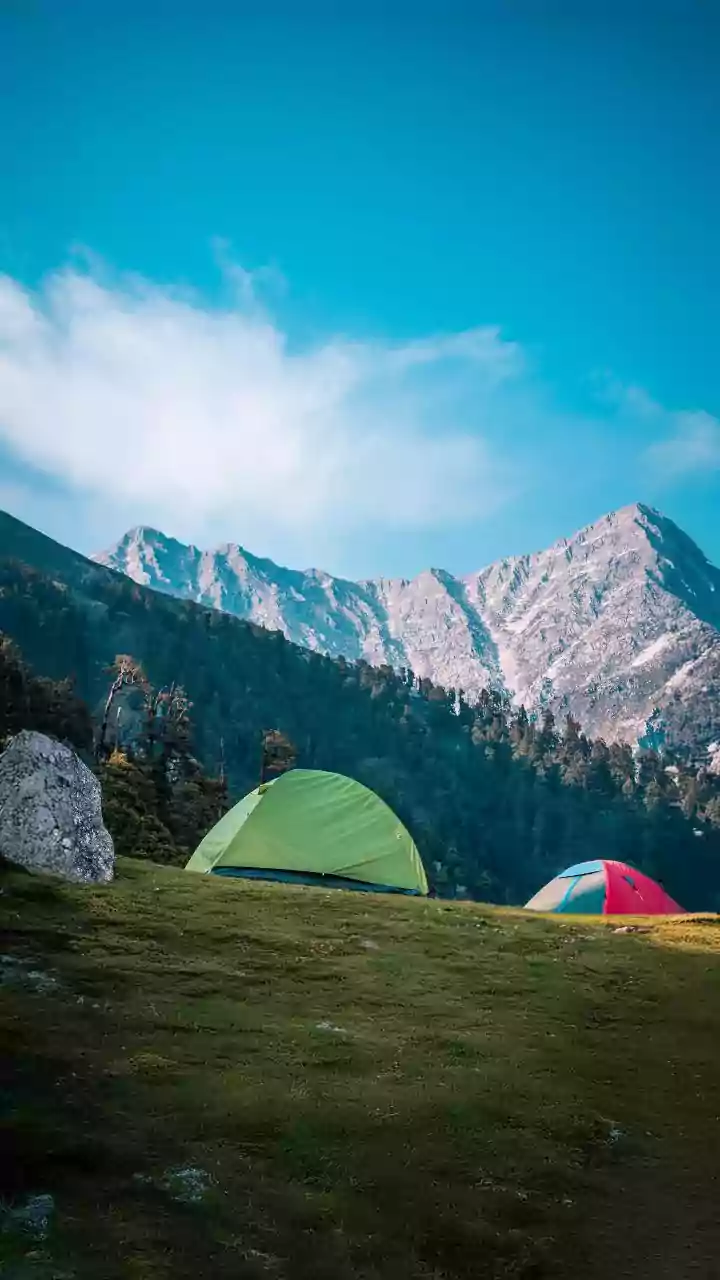
What is drawing this new generation to these sacred dances? The answer lies in a blend of adventure and authenticity. For many, the festival is the destination, but the journey is just as important. The trip is framed as an adventure expedition: conquering the high mountain pass of Khardung La, camping by the turquoise waters of Pangong Tso, and trekking through remote valleys. The monastery festival becomes the cultural jewel in the crown of their adventure itinerary. It offers a powerful story to tell, a tangible connection to a world far removed from their urban lives. They are not just passive tourists; they are active participants in a larger narrative of exploration and self-discovery, where physical challenge is paired with spiritual and cultural immersion.
The Instagram Effect
It is impossible to ignore the role of social media in this phenomenon. Ladakh is one of India’s most ‘Instagrammable’ locations, and the monastery festivals are its most colourful events. A single, well-composed shot of a masked dancer against a mountain vista can garner thousands of likes and inspire countless others to make the same journey. The visual spectacle of the Chams—the vibrant masks, the swirling brocade, the dramatic landscapes—is perfectly suited for the digital age. This has created a powerful feedback loop: as more young travellers post their stunning photos and videos, the allure of Ladakh’s festivals grows, attracting an even larger crowd the following year. While it drives tourism, it also raises questions about the nature of the engagement—is it deep appreciation or a hunt for the perfect photo-op?
A Delicate Cultural Balance
This influx of young, adventure-seeking tourists presents both an opportunity and a challenge for Ladakh. On one hand, it brings vital income to a remote region, supports local businesses, and introduces a new generation to ancient traditions. The monasteries themselves have adapted, often creating designated viewing areas and providing information to help visitors understand the significance of the rituals. On the other hand, there are growing concerns about the impact on the sanctity of these events. The sheer volume of people can be disruptive, and the focus on photography can sometimes feel intrusive to a sacred ceremony. Local authorities and community leaders are now navigating the delicate balance between preserving their unique cultural heritage and managing the demands of modern tourism, ensuring that the spirit of the Cham dance is not lost in the camera flashes.