







The New Travel Equation
For decades, the Indian traveller’s bucket list was dominated by iconic sights: the Eiffel Tower, London Bridge, or the Statue of Liberty. The decision was driven by hype, pop culture, and the prestige of a stamp from a Western nation. Today, however,
a more pragmatic factor is reshaping travel itineraries: the visa application process. A growing number of Indian tourists are now opting for destinations that welcome them with open arms—and minimal paperwork. The experience of gathering endless documents, paying hefty non-refundable fees, and enduring long waits for an appointment, only to face potential rejection, has created a clear shift in mindset. Why spend months planning for a country that might not let you in, when another is just a short flight away with a visa-on-arrival or, even better, no visa requirement at all?
From Schengen Scrutiny to Southeast Asian Welcome
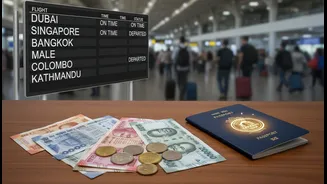
The contrast is stark. In 2025, Indian applicants faced a 15.8% rejection rate for Schengen visas, translating to over 181,000 rejected applications. This doesn't even account for the financial loss in fees and the emotional toll of uncertainty. The process for US and UK visas is similarly known for its rigorous scrutiny and long appointment queues. In response, a different travel map is being drawn. Countries like Thailand, Malaysia, Sri Lanka, and Kenya have recently rolled out visa-free policies for Indian passport holders, and the results have been immediate. These nations are seeing a surge in Indian tourists who are eager to trade the stress of embassy appointments for the spontaneity of a hassle-free holiday. Destinations like Nepal, Mauritius, Indonesia, and the Maldives have long been popular for their friendly entry policies, offering visa-free or visa-on-arrival options that make travel planning straightforward and predictable.
Why Hassle-Free Matters More Than Ever
Several factors are driving this change. India's burgeoning middle class has more disposable income and a greater appetite for international travel than ever before. This new generation of travellers is often looking for spontaneous getaways and short trips, which are incompatible with lengthy visa procedures. The rise of remote work and digital nomadism also plays a role, encouraging travellers to seek out destinations where they can stay for extended periods without bureaucratic hurdles. Furthermore, there's a psychological component. A simple visa process sends a message that Indian tourists are valued and welcomed. In contrast, an arduous and opaque application process can feel unwelcoming, as if one has to prove their worthiness to visit. For many, the dignity of a smooth entry is becoming a non-negotiable part of the travel experience.
The Economic Power of a Welcoming Policy
Countries that are simplifying their visa rules are making a calculated economic decision. The Indian outbound tourism market is one of the fastest-growing in the world, with Indian tourists being significant spenders on accommodation, shopping, and experiences. By removing the visa barrier, countries are directly tapping into this lucrative market. The success of Thailand and Malaysia's visa-waiver programs has demonstrated a clear correlation between visa ease and tourism revenue. This trend isn't going unnoticed. There's a growing awareness within the global tourism industry that the Indian passport, while steadily gaining strength, still requires strategic policy decisions from host countries to unlock its full potential. Interestingly, even India's own policy think tanks are recommending a simpler visa regime for inbound tourists, acknowledging the direct link between accessibility and economic growth.