





The Anatomy of Waterlogging
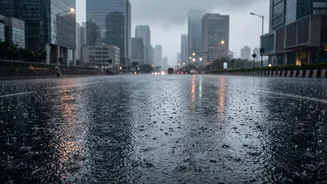
The most immediate and visible effect of heavy rain is waterlogging. This happens for several reasons. Many parts of Mumbai are low-lying, making them natural collection points for water. The city's colonial-era drainage system, designed for a much lower
rainfall intensity, is frequently overwhelmed by short, intense downpours that are becoming more common. When heavy rain coincides with high tides in the Arabian Sea, the seawater effectively blocks the drainage outfalls, forcing rainwater back onto the streets. Furthermore, decades of relentless urbanization have replaced natural sponges like wetlands and open grounds with concrete surfaces, which do not absorb water and increase surface runoff. Clogged drains, often choked with plastic and other waste, further compound the problem, turning roads into canals within hours.
Gridlock on Arterial Roads
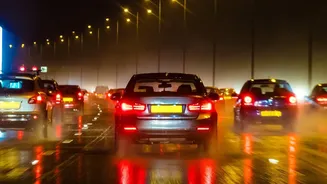
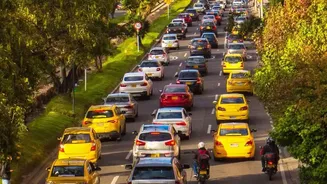
Waterlogging inevitably leads to severe traffic congestion. As key subways like those in Andheri, Malad, and Sion flood, authorities are forced to close them, diverting traffic onto already strained routes. Even a few inches of water can slow vehicle speeds to a crawl, sometimes to less than 10 kmph, as drivers navigate submerged potholes and stalled cars. Major arteries such as the Western and Eastern Express Highways can become parking lots, with a single waterlogged stretch causing a ripple effect of delays across the network. For commuters, this means journeys that normally take an hour can easily stretch to two or three, resulting in lost productivity and immense frustration.
Mumbai's Lifeline Under Strain
The suburban local train network, the lifeline for millions of Mumbaikars, is particularly vulnerable to heavy rain. Waterlogging on the tracks, especially in low-lying areas between Kurla and Sion or Vasai and Virar, can disrupt services significantly. Water can damage the signalling systems and wash away the ballast from under the tracks, creating safety risks and forcing speed restrictions. This leads to cascading delays, with trains running 30-45 minutes behind schedule, and in severe cases, widespread cancellations. Platforms become dangerously overcrowded, and the struggle to board a delayed train becomes a physical ordeal, adding another layer of stress to the daily commute.
The Challenge with Buses and Taxis
While many hope to turn to road transport when trains fail, the situation is often just as bleak. BEST buses are frequently forced to take diversions to avoid flooded roads, leading to longer travel times and confusion for passengers. Breakdowns are common on waterlogged streets, further disrupting services. Meanwhile, finding an auto-rickshaw or a taxi becomes a Herculean task. Many drivers refuse fares to waterlogged destinations, while others demand exorbitant rates. App-based cab services are also unreliable, with commuters facing frequent cancellations and surge pricing that can make a short trip prohibitively expensive.
The Human and Economic Cost
Beyond the logistical nightmare, the daily battle with the monsoon commute takes a significant human toll. The stress of an unpredictable journey, the hours lost in traffic, and the physical discomfort of navigating flooded streets affect the well-being and productivity of the city's workforce. There are also direct health risks associated with wading through contaminated floodwaters, including diseases like leptospirosis. Pedestrians face hazards like open manholes and submerged debris. Economically, the constant disruptions lead to lost work hours and a slowdown in commercial activity, proving that the cost of Mumbai's annual tryst with heavy rain is far more than just a delayed train or a traffic jam.