



Why Millets Are a Modern Superfood
For centuries, millets were a staple in Indian diets before polished rice and wheat became dominant. Now, these ancient grains are being celebrated again for their impressive health benefits. Millets are naturally gluten-free, making them an excellent
choice for those with gluten sensitivity. They are packed with dietary fiber, which aids digestion, promotes a feeling of fullness to help with weight management, and can help regulate blood sugar levels. Rich in essential minerals like iron, magnesium, and calcium, different millets offer a wide range of nutrients to boost your overall health.
Jowar (Sorghum): The Versatile All-Rounder
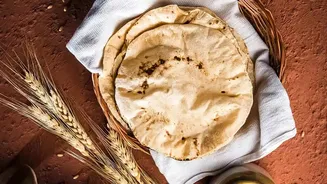
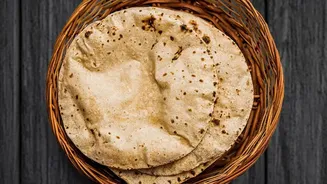
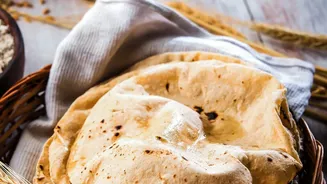
Jowar, or sorghum, is one of the most popular millets, especially in Maharashtra and Karnataka. It has a mild, slightly nutty flavour, making it a great starting point for those new to millets. Jowar is particularly high in fiber and antioxidants, which support digestive health and immunity. Jowar rotis, also known as bhakri, are soft and pair well with almost any dal or sabzi. Its neutral taste makes it incredibly versatile for everyday meals.
Bajra (Pearl Millet): The Winter Warmer
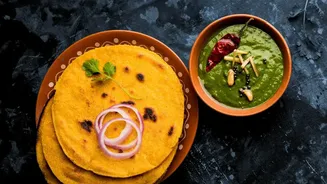
Bajra is a traditional favourite in states like Rajasthan and Gujarat, especially during the colder months for its warming properties. This millet is a powerhouse of iron, magnesium, and protein, which helps support energy levels and muscle health. Bajra rotis have a distinct, earthy flavour and a slightly dense texture. They are best enjoyed hot off the tawa with a dollop of ghee, a piece of jaggery, or a spicy garlic chutney. Due to its unique properties, bajra dough can be a bit sticky, so keeping your hands moist while shaping the rotis can help.
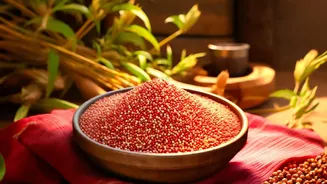
Ragi (Finger Millet): The Calcium Powerhouse
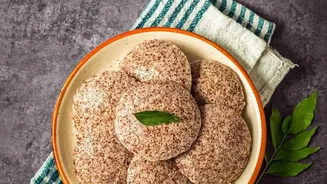
Ragi is renowned for its exceptional calcium content, making it fantastic for bone health, especially for children and women. This deep-coloured millet from South India is also rich in iron and fiber. While Ragi roti is a popular choice, its flour is also used to make nutritious porridge, dosas, and even baked goods like cookies and cakes. Its distinct taste might take some getting used to, but its health benefits are undeniable. For those with a sweet tooth, ragi laddoos are a healthy and delicious treat.
The Secret to Soft Millet Rotis
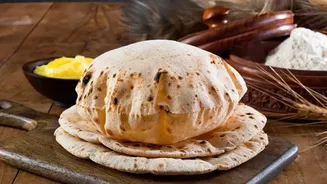
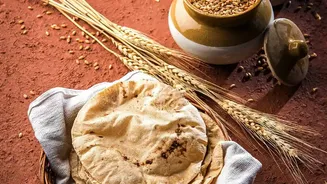
The biggest challenge with millet flours is their lack of gluten, which can make rotis dry and prone to cracking. The key to soft, pliable rotis is using boiling hot water to make the dough. The hot water gelatinizes the starches in the flour, which helps bind it together, mimicking the effect of gluten. Knead the dough while it's still warm and work quickly, as millet dough tends to dry out. Rolling the rotis slightly thicker than wheat chapatis also helps prevent them from breaking. Once cooked on a hot tawa, applying a bit of ghee immediately will keep them soft.
Baking High-Fiber Breads at Home
While the headline mentions bread, it's important to set expectations. Baking a light and airy loaf with 100% millet flour is challenging due to the absence of gluten. Pure millet breads are typically dense and moist. For a softer crumb, home bakers often blend millet flour with whole wheat flour or use binders like psyllium husk, flaxseed powder, or curd. Recipes for gluten-free millet bread often combine jowar or ragi flour with these binders and leavening agents like baking powder and baking soda to achieve a better rise. These breads offer a rustic, earthy flavour and a significant fiber boost, making for a hearty and healthy slice of toast.