








Meet the Sant Ravidas Express
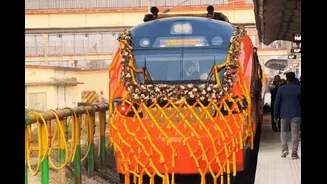
Indian Railways is preparing to launch its second Vande Bharat sleeper service, named the Sant Ravidas Express. Prime Minister Narendra Modi is scheduled to flag off the new train on July 17, 2026, marking a significant step in the modernization of long-distance,
overnight travel. This new service will connect Varanasi in Uttar Pradesh with Chheharta, near Amritsar, in Punjab. The train will operate three times a week in each direction, designed to serve one of the most crucial and high-demand travel corridors in the country, linking major cities across Uttar Pradesh, Haryana, and Punjab. Unlike the chair-car versions of the Vande Bharat that cater to shorter, daytime journeys, this sleeper variant is built specifically for comfortable overnight travel, aiming to challenge the long-standing dominance of trains like the Rajdhani Express.
A New Benchmark for Comfort and Speed
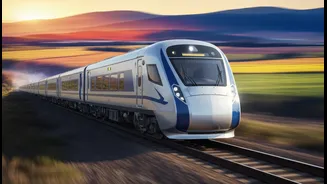
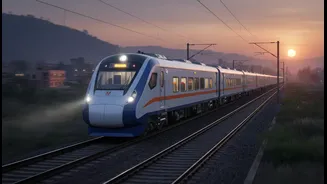
The Vande Bharat sleeper is not just an incremental update; it's a complete rethink of the overnight train. Manufactured by BEML, the trainsets are self-propelled, meaning they don't require a separate locomotive. This distributed power system allows for much faster acceleration and deceleration, which helps in reducing overall journey times. With a top operational speed of 160 km/h, the train is designed to be significantly faster than many existing services. Inside, passengers can expect a host of modern amenities. The train consists of 16 coaches, including AC First, Second, and Third Tier configurations, with a total capacity of over 820 passengers. The berths are ergonomically designed with better cushioning, and the coaches feature automatic doors, fully sealed gangways to keep dust out, and advanced fire safety systems. For first-class passengers, there's even the luxury of a hot water shower.
Connecting the Heartland
The choice of the Varanasi-Amritsar route is strategic. It connects major religious, economic, and educational hubs, including Lucknow, Bareilly, Moradabad, Saharanpur, Ambala, and Ludhiana. This corridor sees immense passenger traffic, from pilgrims and students to business travellers and families. The new service is expected to be particularly beneficial for devotees travelling to Varanasi's Guru Ravidass Janam Asthan Temple. By providing a faster, more comfortable, and modern travel option, the Sant Ravidas Express aims to ease the pressure on a route where getting a confirmed ticket can often be a challenge. The tri-weekly schedule has been planned to cater to peak travel demand between the two states.
The Rajdhani Rivalry Heats Up
Since the 1960s, the Rajdhani Express has been the gold standard for premium overnight travel in India. The Vande Bharat sleeper is poised to be its first true challenger in decades. While Rajdhani trains are known for their priority on the network and inclusive catering, the Vande Bharat sleeper competes with superior technology and passenger experience. Key differences include the Vande Bharat's self-propelled design, which reduces jerks and turnaround times at stations. It also boasts enhanced safety features like the indigenous Kavach anti-collision system. While fares are expected to be marginally higher than Rajdhani services, the policy of issuing only confirmed berths—with no RAC or wait-listed tickets—aims to provide a more assured travel experience.
The Future of Overnight Travel
The launch of the Sant Ravidas Express is part of a broader strategy by Indian Railways to expand its fleet of modern, semi-high-speed trains. Following the introduction of the first sleeper on the Howrah-Kamakhya route, several other high-demand corridors are being considered, including routes like Delhi-Mumbai and Mumbai-Bengaluru. With plans to roll out over 250 new Vande Bharat sleeper trains in the coming years, Indian Railways is making a clear statement about its commitment to upgrading long-distance travel. These trains are seen not just as a way to improve passenger comfort, but also as a means to increase revenue and compete more effectively with airlines on medium to long-haul routes. This expansion signals a transformative era for the network, shifting the focus from basic transportation to providing a world-class travel experience.