


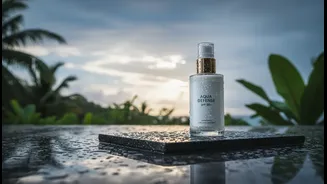




The Great Monsoon Myth: Are Clouds Enough?
It's a common assumption: if you can't see the sun, you don't need sunscreen. Unfortunately, this is one of India’s most persistent skincare myths. Clouds are not a solid barrier against ultraviolet (UV) radiation. According to dermatologists and skin cancer
foundations, up to 80% of the sun's UV rays can penetrate cloud cover and reach your skin. Think of clouds as a thin filter, not a blackout curtain. While they reduce the heat and bright light, they allow most of the skin-damaging radiation to pass through, meaning the risk of sun damage remains significant even on the most overcast days. Adding to this, wet roads and puddles can reflect UV rays, potentially increasing your exposure during a downpour.
UVA vs. UVB: The Invisible Threats
To understand the risk, it helps to know the enemy. UV radiation is primarily made up of two types of rays that affect our skin: UVA and UVB. UVB rays are shorter and are the main cause of sunburn and tanning; their intensity lessens on cloudy days. UVA rays, however, have a longer wavelength and penetrate deeper into the skin. They are the primary driver of premature ageing—think wrinkles, fine lines, and loss of elasticity—and play a major role in pigmentation and melasma, which are common concerns for Indian skin. Crucially, UVA rays maintain a consistent strength year-round and can easily pass through clouds and even window glass. This means whether you are commuting in a car or sitting by a window at the office on a rainy day, your skin is still being exposed to ageing UVA rays.
The Commuter's Challenge: Rain, Sweat, and Humidity
Monsoon brings its own set of challenges for diligent sunscreen users. The high humidity can make many creams feel heavy, greasy, and uncomfortable, leading people to skip this vital step altogether. For those who commute, the combination of sweat from the humidity and getting caught in a sudden shower can cause sunscreen to wear off quickly, leaving your skin vulnerable. This makes reapplication more important than ever. Dermatologists advise reapplying sunscreen every two to three hours, especially if you've been sweating or your skin has gotten wet. Choosing a formula designed to withstand these conditions is key to staying protected.
Choosing Your Monsoon Sunscreen
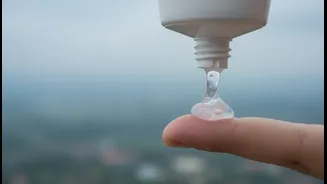
The ideal sunscreen for the Indian monsoon should be effective without feeling like a heavy mask. Look for products labelled 'broad-spectrum', which means they protect against both UVA and UVB rays. An SPF of 30 is the minimum recommended for daily use, but SPF 50 is often preferred for better protection in India's high UV environment. Also, check the PA rating, which indicates UVA protection; a PA+++ or PA++++ rating is ideal. In terms of texture, gel-based, fluid, or lightweight lotion sunscreens are excellent choices for humid weather as they absorb quickly and are less likely to feel sticky or clog pores. For commuters and anyone active outdoors, a 'water-resistant' formula will provide more durable protection against rain and sweat.
Beyond the Bottle: Extra Layers of Defence
While sunscreen is your most important tool, it works best as part of a complete protection strategy. On days when you'll be outdoors for extended periods, even with cloud cover, simple physical barriers can make a big difference. Wearing a wide-brimmed hat or using an umbrella can shield your face, neck, and shoulders from direct exposure. Sunglasses that offer UV protection are crucial for protecting your eyes and the delicate skin around them. Seeking shade whenever possible, especially during the middle of the day when UV radiation is typically at its peak, further reduces your overall exposure. These habits, combined with consistent sunscreen use, provide a comprehensive defence against the silent damage of UV rays.