





The End of the Hustle Holiday
For years, travel was synonymous with exhaustion. It was an exercise in optimisation—cramming forts, museums, viewpoints, and restaurants into a tight schedule, only to return home needing a vacation from the vacation. This 'hustle culture' approach to travel is losing
its appeal among India’s Gen Z and Millennial travellers. Faced with demanding work lives and digital fatigue, they are consciously rejecting the idea that a holiday must be productive. A 2026 survey found that relaxation was the main reason for travelling for 67% of Indian respondents. The desire is no longer to collect photos for social media, but to collect moments of peace.
The Rise of Slow, Mindful Journeys
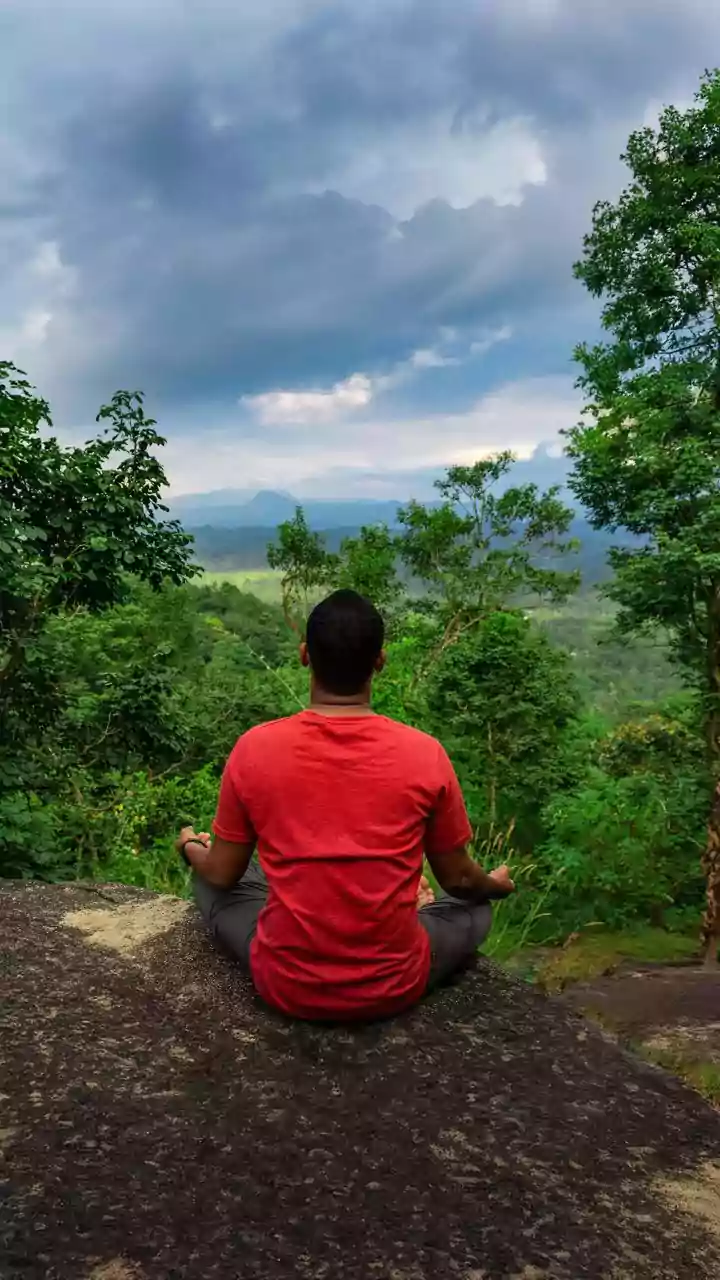
Enter slow travel. This philosophy encourages travellers to stay longer in one place, immersing themselves in the local culture rather than sprinting between cities. It's a significant shift from ticking off a bucket list to actually experiencing a destination. For many young Indians, this trend is deeply connected to mental and emotional well-being. They are seeking out journeys that offer a chance to pause, reflect, and reset. This has fueled a boom in wellness tourism, with a growing demand for yoga retreats, meditation centres, and nature-based getaways that promise deep rest. Destinations like Rishikesh, Dharamshala, and quiet corners of Goa are seeing a surge in interest from those looking to disconnect from urban chaos.
How Rest Is Reshaping Itineraries
So, what does a restful holiday look like in practice? For many, it means embracing the 'anti-itinerary'. This can involve dedicating entire days to doing nothing, a concept some have dubbed 'room rotting'—where the stay itself becomes the main experience. Instead of multi-city tours, travellers are opting for single-base trips, using one comfortable homestay or boutique hotel as a hub for unhurried exploration. Even workations are evolving; once seen as a way to work from a scenic location, they are now being structured to blend productivity with genuine downtime. The focus is on balance, with 72% of Gen Z travellers saying that relaxation is a core part of their travel plans.
From Tourist Hotspots to Quiet Havens
This new travel mindset is also changing where people go. While iconic landmarks will always have their place, there's a growing desire to explore undiscovered places away from the crowds. Young travellers are looking for authenticity, which they find in quiet Himalayan villages, lesser-known coastal towns, and eco-conscious stays that promote sustainability. The stay is becoming the destination. Many are choosing properties that offer calm, comfort, and restoration, rather than just a base for sightseeing. This shift also includes solo travel, which is on the rise as individuals seek personal growth and the freedom to travel at their own pace. Ultimately, the destination matters less than the experience it offers—be it cultural immersion, adventure, or simply peace and quiet.