
The Sweet Thread of Tradition
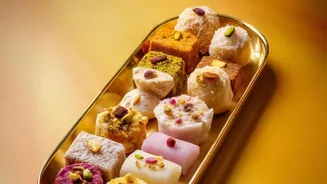
In India, mithai is not just a dessert; it's a cultural cornerstone. For thousands of years, long before refined sugar was common, sweets were made with honey, jaggery, and fruits. Over centuries, with the introduction of new ingredients and techniques,
every region developed its own signature sweets based on local produce and climate. From the rich, ghee-laden ladoos of the north to Bengal’s delicate chhena-based creations like sandesh and the payasams of the south, this diversity tells the story of India itself. These recipes, passed down through generations, are a symbol of hospitality, celebration, and gratitude.
A Tale from a Royal Kitchen: Mysore Pak
One of India's most iconic sweets, Mysore Pak, was born from a happy accident in a royal kitchen. Legend has it that during the reign of Krishna Raja Wadiyar IV in the early 20th century, the Maharaja asked his head chef, Kakasura Madappa, to create a new and unique dessert. Madappa experimented with a simple mix of gram flour (besan), ghee, and sugar, creating a rich, fudge-like confection that melted in the mouth. The king was so delighted he named it 'Mysore Pak,' or Mysore's confection. The recipe was once a closely guarded palace secret, served only to esteemed guests, but has since become a beloved symbol of South Indian culinary heritage.
Bengal's Twin Wonders: Sitabhog and Mihidana
From Bardhaman in West Bengal come the legendary twin sweets, Sitabhog and Mihidana. Sitabhog, made from rice flour and cottage cheese (chhana), resembles a sweet, fluffy pulao, while Mihidana consists of tiny, golden pearls of fried besan soaked in syrup. Their fame skyrocketed in 1904 when Lord Curzon, then the Viceroy of India, visited Bardhaman. The local Maharaja commissioned a sweet maker, Vairabchandra Nag, to create something extraordinary for the occasion. Nag presented Sitabhog and Mihidana, and Curzon was so impressed he declared he had never tasted anything like them, catapulting the sweets to nationwide fame. Today, they hold a Geographical Indication (GI) tag, protecting their unique heritage.
The Modern Mithai-Wala
While traditional recipes remain cherished, a quiet revolution is underway. A new generation of artisanal mithai makers and contemporary chefs are reinventing these classics for a modern palate. They are swapping out refined sugar for natural sweeteners like dates and jaggery, using premium and organic ingredients, and infusing traditional sweets with global flavours like coffee, salted caramel, and berries. Brands like Bombay Sweet Shop, Misree, and Arq are creating visually stunning and innovative treats, such as coffee-infused Mysore Pak cheesecakes or dark chocolate barfis. This evolution isn't about replacing old recipes but reinterpreting them, making them lighter, more diverse, and appealing to a new generation while preserving their soul.
Preserving a Legacy, One Sweet at a Time
Keeping these intricate culinary traditions alive is not without its challenges. Many heirloom recipes are time-consuming and require immense skill, making them less suited to the fast pace of modern life. However, the passion to preserve this heritage remains strong. Chefs are simplifying complex processes with modern kitchen tools, and families continue to pass down their treasured recipes. The resurgence of interest in artisanal and regional foods shows a growing appreciation for authenticity. This movement ensures that whether it's a perfectly made ladoo from a grandmother's recipe or a gourmet barfi from a trendy sweet shop, the rich, diverse, and delicious world of Indian mithai continues to thrive.