

The Science of Souring
At its heart, fermentation is a natural transformation. It is a process where microorganisms like beneficial bacteria and yeasts break down sugars and starches in food. This doesn't just preserve the food; it unlocks a world of new flavours, textures,
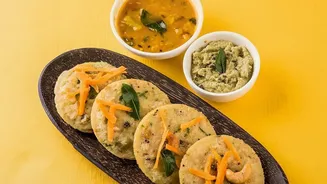
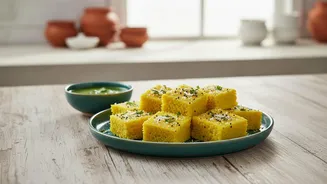
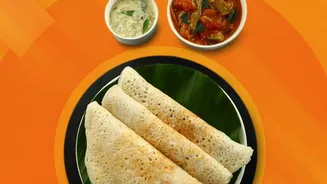
and aromas. Think of a simple rice and lentil batter left overnight. As it sits, naturally present microbes get to work, producing lactic acid. This is what gives dishes like dosa and dhokla their characteristic tangy taste and light, airy structure. This process makes food more digestible and boosts its nutritional profile, a form of culinary alchemy that has been practised for thousands of years.
Beyond the Breakfast Plate
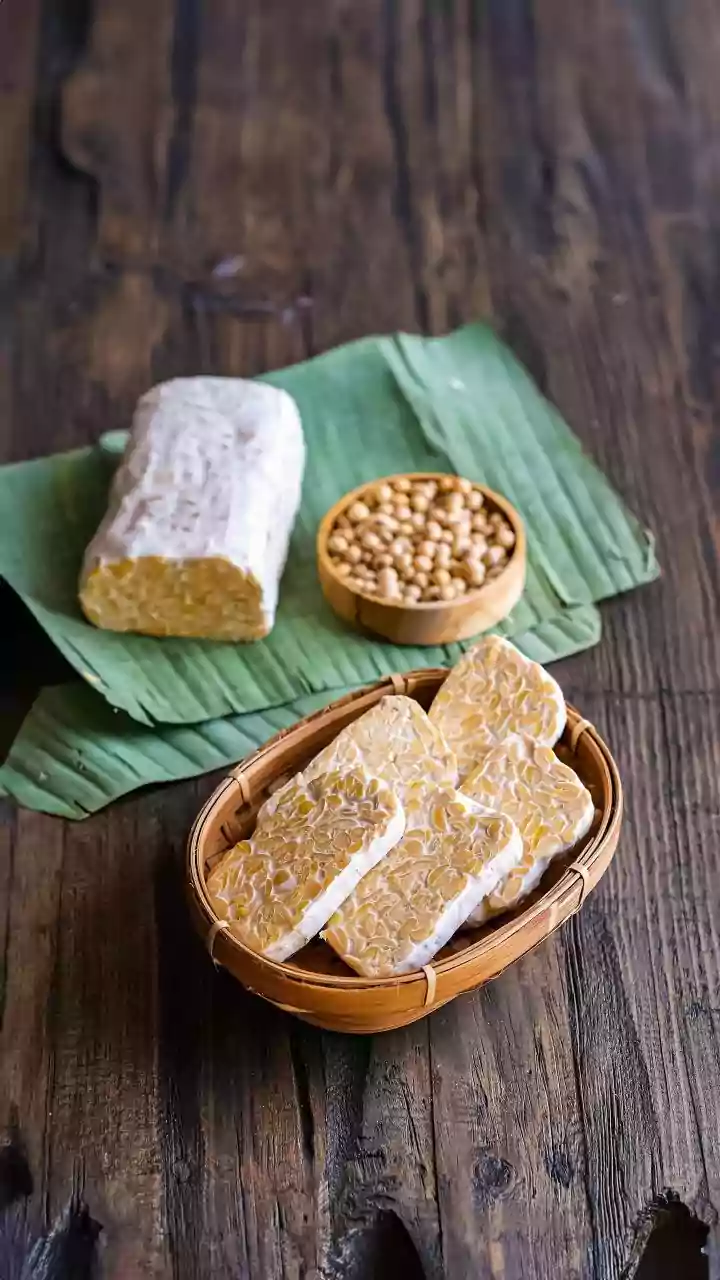
While idli and dosa are the most famous examples, India’s fermentation traditions are incredibly diverse. In Gujarat, the fluffy, steamed dhokla is made from a fermented batter of chickpea flour and rice. In the East, dishes like pakhala or panta bhat—leftover rice soaked in water and left to ferment overnight—are cherished as a cooling, nourishing meal. The tribal communities of Jharkhand brew Handia, a traditional rice beer rich in B-complex vitamins, which also serves as a digestive aid. From the Himachali siddu, a steamed wheat bun with a fermented filling, to Manipur's hawaizaar, a strong-smelling fermented soybean dish, nearly every region has its unique fermented staple.
The Tangy World of Pickles and Drinks
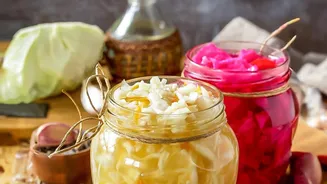
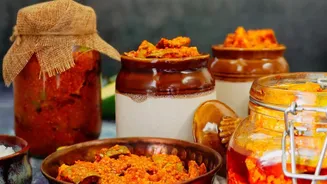
Fermentation is also the soul of India's vast array of pickles (achar) and beverages. While many modern pickles rely on oil and spices for preservation, traditional methods often involved lactic acid fermentation. Vegetables were preserved in salt, allowing them to ferment naturally and develop a complex, sour flavour. This tradition extends to drinks as well. Kanji, a vibrant purple drink from North India, is made by fermenting black carrots and mustard seeds in water. Mentioned in ancient Ayurvedic texts, it is a probiotic-rich beverage traditionally consumed to boost immunity during the winter. Similarly, buttermilk (chaas) and curd (dahi) are simple, everyday ferments that cool the body and aid digestion.
Ancient Wisdom, Modern Wellness
Long before terms like 'probiotics' and 'gut microbiome' became popular, Indian food culture understood the importance of fermented foods for health. Modern science now validates this traditional wisdom. The fermentation process not only makes food easier to digest but also enhances its nutritional value. It can increase the levels of B vitamins and makes minerals like iron and zinc more available for the body to absorb. The beneficial bacteria introduced through these foods, known as probiotics, support a healthy gut. Studies on Indian populations have shown that regular consumption of fermented foods like dahi and idli is linked to a healthier and more diverse gut microbiome.