





The world is on a perilous path, with the crucial climate goal of limiting global warming to 1.5°C now in serious jeopardy. Recent reports from UN bodies and analysis related to the upcoming COP31 in Türkiye paint a stark picture of stalled progress.
A Flashing Red Light for the Planet
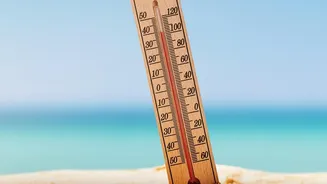
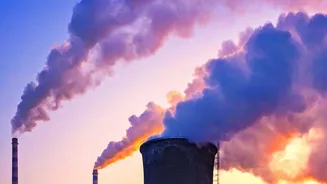
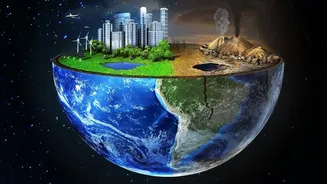
Multiple climate assessments released in late 2026 deliver a unified, sobering message: despite years of pledges, global climate action has effectively stalled. The UNFCCC's latest synthesis report on Nationally Determined Contributions (NDCs), which are countries' self-defined climate targets, shows that current plans are deeply insufficient. Even if fully implemented, today's commitments would lead to a world that is 2.1°C to 2.7°C warmer by 2100, far beyond the 1.5°C target agreed upon in Paris. Reports from the Climate Action Tracker (CAT) and the UN Environment Programme (UNEP) echo this, warning that the world is heading for an 'irrecoverable overshoot' of the 1.5°C limit, a threshold scientists say is critical to avoiding the most catastrophic and irreversible climate impacts.
The Stark Numbers Behind the Warning
The data reveals a chasm between ambition and reality. The UNFCCC report, which analyzes the plans of 154 nations, found that collective pledges would only cut global emissions by about 6% to 9% below 2019 levels by 2035. To stay on a 1.5°C pathway, science demands a reduction of around 60%. For five consecutive years, collective climate action has failed to accelerate, essentially flatlining when it should be rapidly declining. Projections show that even with long-term 'net zero' targets factored in, warming would still hit 1.9°C to 2.1°C. This consistent failure to bend the emissions curve downwards means the planet is accumulating heat at an accelerating rate, with 2026 continuing a streak of record-breaking global temperatures.
Türkiye's Role as COP31 Host
The mention of Türkiye in this context is significant as it is the host of the upcoming COP31 climate conference in Antalya. As the host nation, Türkiye plays a crucial leadership role in steering negotiations. Its leaders have stressed the need to move from pledges to concrete investments and resilience. However, analysis from the Climate Action Tracker notes that Türkiye's own climate targets for 2030 and 2035 are not aligned with a 1.5°C pathway and would allow its emissions to continue rising. While the nation has made progress in solar power, it also has plans to become a fossil gas hub, sending mixed signals about its own transition away from fossil fuels. The COP31 President-Designate, Murat Kurum, has called for countries to arrive in Antalya ready to discuss what they have already done, not just what they plan to do.
Why This Matters for India
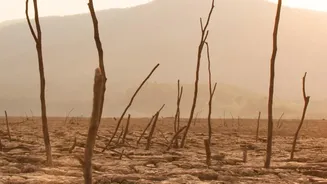
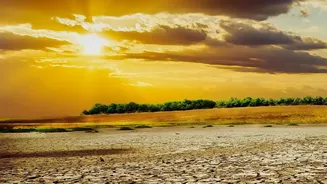
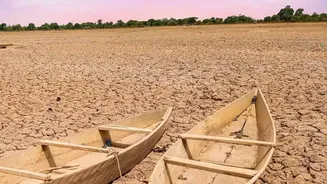
A global failure to meet the 1.5°C goal has severe consequences for India. Every fraction of a degree of additional warming intensifies the risks of extreme weather events that the country is already facing. This includes more intense heatwaves, more erratic and powerful monsoon rains leading to flooding, prolonged droughts impacting agriculture, and accelerated sea-level rise threatening coastal megacities like Mumbai and Kolkata. These impacts create a cascade of challenges for food security, water resources, public health, and economic stability. For India, the principle of 'climate justice' remains central, emphasizing that developed nations, responsible for the bulk of historical emissions, must lead the way in emissions cuts and provide critical finance and technology to help developing nations adapt.
Is It Too Late to Act?
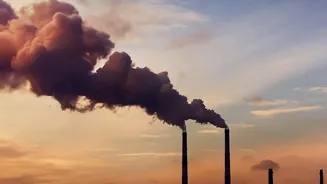
The scientific consensus is that while temporarily overshooting the 1.5°C mark is now almost unavoidable, the goal is not to surrender but to fight to limit the magnitude and duration of that overshoot. The key message from the UN and climate scientists is one of extreme urgency. Returning to 1.5°C by 2100 is still possible, but it requires immediate, deep, and sustained cuts in greenhouse gas emissions across all sectors. This means accelerating the transition to renewable energy, halting deforestation, and rapidly phasing out the use of fossil fuels. The upcoming COP31 negotiations in Türkiye are now more critical than ever, representing a vital opportunity for world leaders to close the gap between promises and the decisive action required to secure a liveable future.