






The Midnight Order Surge
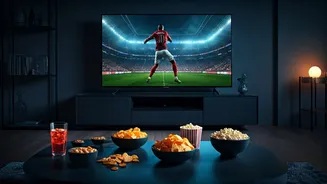
As global sporting events increasingly reshape consumer habits, the ongoing FIFA World Cup, with its late-night match schedules for Indian audiences, is proving to be a powerful catalyst. Food delivery platforms and quick-service restaurants have reported
a significant spike in orders placed between 11 pm and 3 am, with some seeing a 12-15% increase in demand over the past few weeks alone. This isn't just a fleeting trend; it's an acceleration of a broader shift. Even before the tournament, late-night orders had already been on a steady rise, driven by the changing lifestyles and sleep schedules of younger, urban consumers. The World Cup, however, has turned these late hours into a primetime opportunity for the food industry.
A Menu for Champions
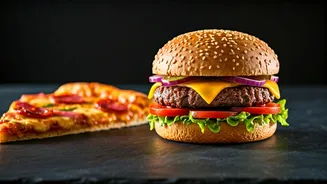
So, what are fans eating during these tense matches? According to data from Swiggy, pizzas and burgers are the undisputed champions of late-night cravings. Specific items like Pepper Barbecue Chicken Pizza, Crispy Chicken Burgers, and sides like garlic bread have dominated orders. This demand isn't just for small bites; it's for shareable meals perfect for group viewing. Restaurant chains like McDonald's have leaned into this, promoting combos and shareable formats to cater to friends and families watching together. The appetite is significant, with one fan in Chandigarh placing a single order worth ₹16,444 for an assortment of finger foods.
Platforms and Kitchens Capitalize
This surge represents a golden opportunity for the entire food ecosystem. Delivery platforms are no longer just reacting; they are proactively integrating these events into their strategy with special offers and optimized logistics. For restaurants and especially cloud kitchens, these FIFA nights are a crucial revenue stream, monetizing a time of day that was historically quiet. Chains like Domino's and McDonald's have extended their operating hours, with some outlets now serving until 3 am or even later to meet the demand. It’s a strategic move to improve asset utilization and capture a new, highly engaged customer base. Quick commerce platforms are also benefiting, with a 30-40% spike in demand for items like ice cream, frozen snacks, and chocolates during match hours.
Beyond the Metros
While major metros like Bengaluru, Hyderabad, and Mumbai are leading the charge with the highest volume of late-night orders, the trend is rapidly spreading to smaller cities. Emerging markets such as Surat, Thiruvananthapuram, and Patna are also seeing a significant increase in order activity, demonstrating the nationwide appeal of watching football at home with a delivered meal. This expansion into Tier-II and Tier-III cities signals a deeper behavioral shift and a growing maturity in India's digital economy, where convenience and on-demand services are becoming the norm everywhere.
A Boon with Challenges
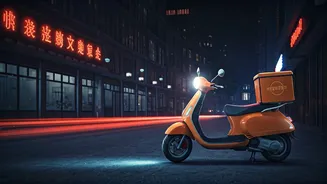
For the thousands of delivery partners in the gig economy, this boom means more opportunities to earn. The increased order volume directly translates to higher potential income during what would otherwise be off-peak hours. However, it also brings challenges. The pressure to deliver quickly during peak surges can be intense, and logistical hurdles like rider availability at odd hours can sometimes lead to longer delivery times. Platforms and restaurants must balance capitalizing on the demand with ensuring a sustainable and fair system for the riders who make it all possible. The late-night permissions from local authorities also play a crucial role in how effectively businesses can operate around the clock.