




India's Agricultural Lifeline
For centuries, the rhythm of life across India has been set by the monsoon. It's not just about a break from the summer heat; it's the engine of the country's vast agricultural economy. The southwest monsoon, which delivers about 70% of India's annual
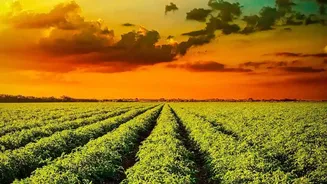
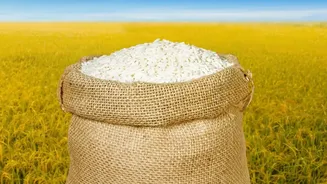
rainfall, is critical for the Kharif (summer) crops sown from June. With nearly half of the nation's farmland being rain-fed, the timing, distribution, and volume of these rains directly determine the fate of harvests for staples like rice, pulses, oilseeds, and cotton. A healthy monsoon replenishes rivers and reservoirs, recharges groundwater, and ensures that farmers can sow their crops on time. Entire systems of food production have evolved around the expectation of predictable rains, but this certainty is now fading.
The Domino Effect of a Poor Monsoon
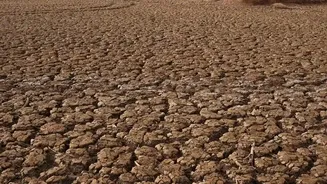
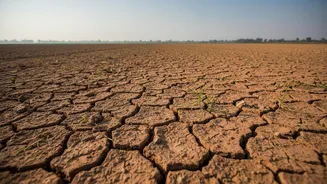
When the monsoon is weak, late, or erratic, the first casualty is crop sowing. Recent reports from July 2026 highlighted that a weak and uneven monsoon had slowed the planting of crucial crops like rice, pulses, and soybeans across several states. Farmers in states such as Karnataka, Maharashtra, and Andhra Pradesh, who are heavily dependent on timely rains, face immense pressure. But it's not just about the total volume of rain. Prolonged dry spells followed by sudden, intense downpours can be just as damaging. A dry spell can cause soil moisture to plummet, stressing crops at critical growth stages, while a sudden deluge can lead to waterlogging and wash away young plants. The result is a direct hit on agricultural productivity, leading to lower crop yields.
From Farm Fields to Your Kitchen Budget
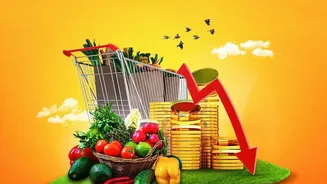
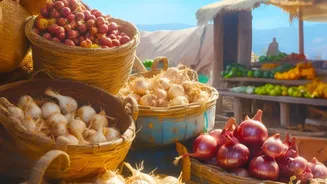
The connection between lower crop yields and the price you pay for food is a straightforward, if painful, economic principle. Reduced harvests mean a smaller supply of essential food items entering the market. When this limited supply meets consistent, high demand from over a billion people, prices inevitably rise. This is the core of food inflation. Food items make up a significant portion of the average Indian household's spending, and staples like tomatoes, onions, and potatoes are particularly vulnerable to these supply shocks. Economists and even the Reserve Bank of India consistently flag a poor monsoon as a primary risk for resurgent food inflation. A deficit in rainfall can quickly translate into higher prices for everything from vegetables and pulses to edible oils and cereals, stretching household budgets thin.
A More Unpredictable Future
The increasing unpredictability of the monsoon is a major concern linked to climate change. Scientists observe that the monsoon is becoming more chaotic, with delayed onsets, false starts, and a higher frequency of extreme weather events becoming the new normal. One study warns that for every degree Celsius of warming, monsoon rainfalls could increase by about 5%, but this often comes in the form of more erratic and intense bursts rather than steady, beneficial rain. This variability poses a severe threat to food security. Some projections indicate that climate change could cause India's food production to drop and put millions more at risk of hunger by 2030. The government often prepares contingency plans for districts vulnerable to drought-like conditions, but the challenge is growing each year.