



A New Era of Travel
The numbers paint a compelling picture of a generation on the move. While the headline's '4-5X' growth points to a dramatic surge in interest, broader industry data confirms an explosive trend. Reports from 2025 and 2026 highlight that Gen Z is the most
influential and fastest-growing travel segment in India. One report noted a staggering 650% growth in travel bookings from this demographic in a single year. This isn't just about more travel; it's about a different kind of travel. Instead of one long holiday, seven in ten young Indian travellers now prefer taking multiple shorter trips throughout the year. This move towards more frequent getaways reflects a desire to integrate travel into their lifestyle, rather than treating it as a rare escape.
Experiences Over Possessions
At the heart of this trend is a fundamental change in values. For Indian Gen Z, the ultimate currency is not what you own, but what you have experienced. A 2026 report found that spending on experiences like travel and leisure is projected to outpace spending on physical goods through 2030. This generation seeks personal growth and self-fulfilment through their adventures. Travel has become a primary form of self-expression, with 87% agreeing that how they travel reflects who they are as a person. This search for authenticity means they are drawn to unique, personal trips that feel anything but pre-packaged. In fact, 95% want their trip to feel special and not like a typical, planned-out tour.
The Festival Magnet
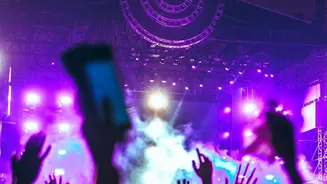
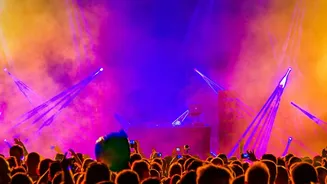
Music, art, and cultural festivals have become powerful magnets for this new wave of travellers. In 2026, over 62% of India's Gen Z plan to travel specifically for concerts and music festivals. These events are no longer just a day out; they are destinations in themselves. For many, a festival is the primary reason to visit a new city, with 76% of young travellers admitting they visited a place for the first time because of a concert or festival. This trend extends to a wide range of cultural celebrations, from Durga Puja in Kolkata to Onam in Kerala, which are increasingly shaping travel calendars. The festival itself is the anchor, but the journey often includes exploring the local culture, food, and nightlife, turning a single event into a multi-day immersive experience.
The 'Anti-Itinerary' Generation
If there's one phrase that captures Gen Z's travel philosophy, it's the 'anti-itinerary'. This doesn't mean a complete lack of planning, but rather a preference for flexibility and spontaneity. A recent study revealed that 64% of young Indian travellers deliberately leave parts of their itinerary open for exploration. The goal is to discover places that haven't gone viral online and to have space for spontaneous moments. This mindset is also shaping accommodation choices. Many now choose a destination specifically because of a unique stay they found, with the accommodation itself becoming a core part of the experience. Whether it's a remote cottage or a city apartment near a venue, the right stay facilitates connection and serves as a home base for adventure.
Economic and Cultural Impact
This shift is sending ripples across India’s economy. The experiential travel market is projected to be a multi-billion dollar industry, heavily driven by the spending power of young Indians. Their travel is not just boosting airlines and hotels; it's creating opportunities for local businesses. Over half of festival-goers extend their trips to explore local cafes and shops, injecting money directly into the community. This trend is also creating a new generation of entrepreneurs, with a nearly 40% rise in Gen Z Airbnb hosts in the first half of 2026, many in smaller towns and rural areas. This demographic is not just consuming travel experiences; they are actively shaping and creating them for others.