



The Daily Watering Ritual
The most common mistake gardeners make during the monsoon is sticking to a daily watering schedule. With frequent rain and high humidity, plants need significantly less water. Continuing to water them daily, out of habit or love, suffocates the roots
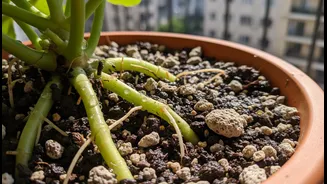
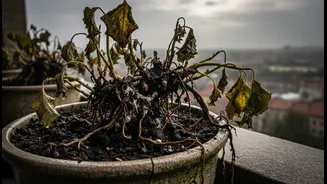
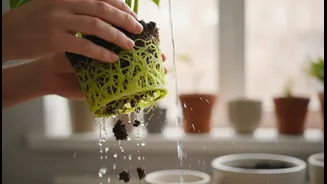
by filling air pockets in the soil with water. This leads to root rot, a condition where roots decay due to lack of oxygen, causing leaves to yellow and the plant to wilt. The fix is simple: before watering, stick your finger about an inch or two into the soil. If it feels moist, don't water. Let nature take the lead and only supplement when the soil is genuinely dry.
Ignoring Poor Drainage
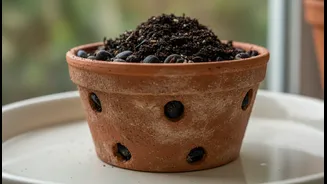
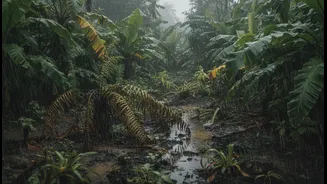
All that extra rainwater needs somewhere to go. If your pots don't have adequate drainage, water accumulates at the bottom, creating a stagnant swamp that is fatal for roots. This is one of the biggest challenges for container gardens in the monsoon. Many gardeners use pots without enough drainage holes or the holes get clogged with soil over time. To prevent this, ensure every pot has clear drainage holes. Elevating pots on bricks or stands allows excess water to escape freely and improves air circulation. For gardens in the ground, creating shallow channels can guide excess water away from plant bases.
Using Heavy, Compacted Soil
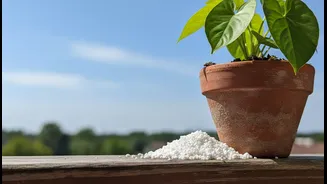
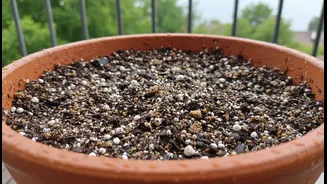
The type of soil you use is critical during the rainy season. Regular garden soil is often too heavy and clay-like, retaining excessive water and becoming compacted. This prevents roots from getting the air they need to respire and can lead to fungal diseases. The ideal monsoon potting mix is light and well-aerated. A good recipe for Indian conditions is a blend of cocopeat, compost or vermicompost, and perlite or coarse river sand. Cocopeat provides moisture retention without waterlogging, while sand or perlite ensures excellent drainage. This mix keeps the soil fluffy, allowing roots to breathe even during heavy downpours.
Neglecting Pest and Fungus Patrol
The warm, humid monsoon weather is a perfect breeding ground for pests like aphids, mealybugs, snails, and slugs. Fungal infections such as powdery mildew and root rot also thrive in these conditions. Many gardeners don't increase their vigilance, assuming the rain washes pests away. However, it's crucial to inspect your plants regularly, paying close attention to the undersides of leaves and new growth. Good air circulation is key, so avoid overcrowding plants. Pruning dead or diseased leaves and branches helps reduce the risk of infection. For active infestations, a simple spray of neem oil or soapy water can be a safe and effective organic solution.
Fertilizing at the Wrong Time
Plants do have a growth spurt during the monsoon and need nutrients, but heavy rains can easily wash away chemical fertilizers from the soil, making them ineffective and potentially harming the environment. Applying fertilizer to already moist soil can also burn the plant's roots. The best approach is to use slow-release organic fertilizers like compost or vermicompost, which enrich the soil gradually. If you do use a liquid fertilizer, apply it during a dry spell between rains to ensure the plant has time to absorb the nutrients. Many experts recommend feeding plants a light dose of organic matter, like banana peels or a seaweed solution, every 15 days to replenish what the rain washes away.
Forgetting to Prune and Support
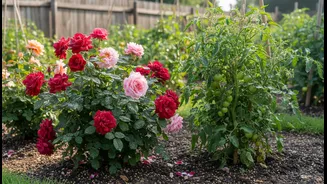
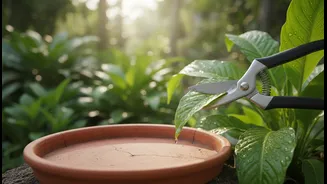
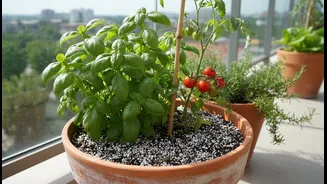
Rapid growth during the monsoon can make plants leggy and weak. Heavy rainfall and winds can easily bend or break fragile stems. It’s a mistake to let plants grow unchecked without providing some structural help. Regularly prune away overgrown, dead, or yellowing parts to encourage healthier growth and improve air circulation, which helps prevent fungal diseases. For taller plants or those with delicate stems, provide support by staking them with bamboo sticks or tying them to a trellis. This prevents physical damage and keeps foliage off the wet ground where it's more susceptible to rot and pests.