


The Health and Wellness Mandate
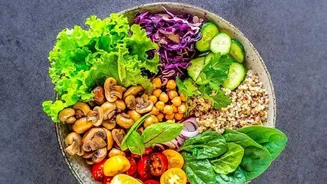
The single biggest driver of this change is a surge in health consciousness. Concerns about lifestyle diseases are prompting younger Indians to scrutinize what they eat. They are moving away from traditional fried and processed snacks toward nutrient-dense
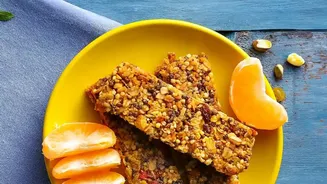
alternatives. This isn't about extreme dieting but a desire for balance. The India Healthy Snacks Market, valued at USD 3.91 billion in 2024, is projected to grow significantly, fueled by this demand for healthier options. Many young consumers now prefer snacks that are baked, not fried, and are actively looking for options like makhana (foxnuts) over potato chips. This generation is prioritizing ingredient transparency and actively reading nutrition labels before making a purchase.
Decoding the Label
It’s no longer enough for a snack to be just 'healthy'; younger shoppers want to know exactly what’s inside. There's a growing preference for products with 'clean labels'—meaning they are free from artificial additives, colors, and preservatives. According to one study, more than 83% of Indian Millennial and Gen Z consumers read nutritional labels before buying. They are specifically looking for keywords like 'natural', 'organic', 'protein-rich', and 'high-fiber'. This has led to the rise of brands that are transparent about their ingredients and sourcing, with many consumers willing to pay a premium for this assurance. The demand for snacks made from millets, quinoa, nuts, and seeds has soared as a result.
Snacking for the Social Feed
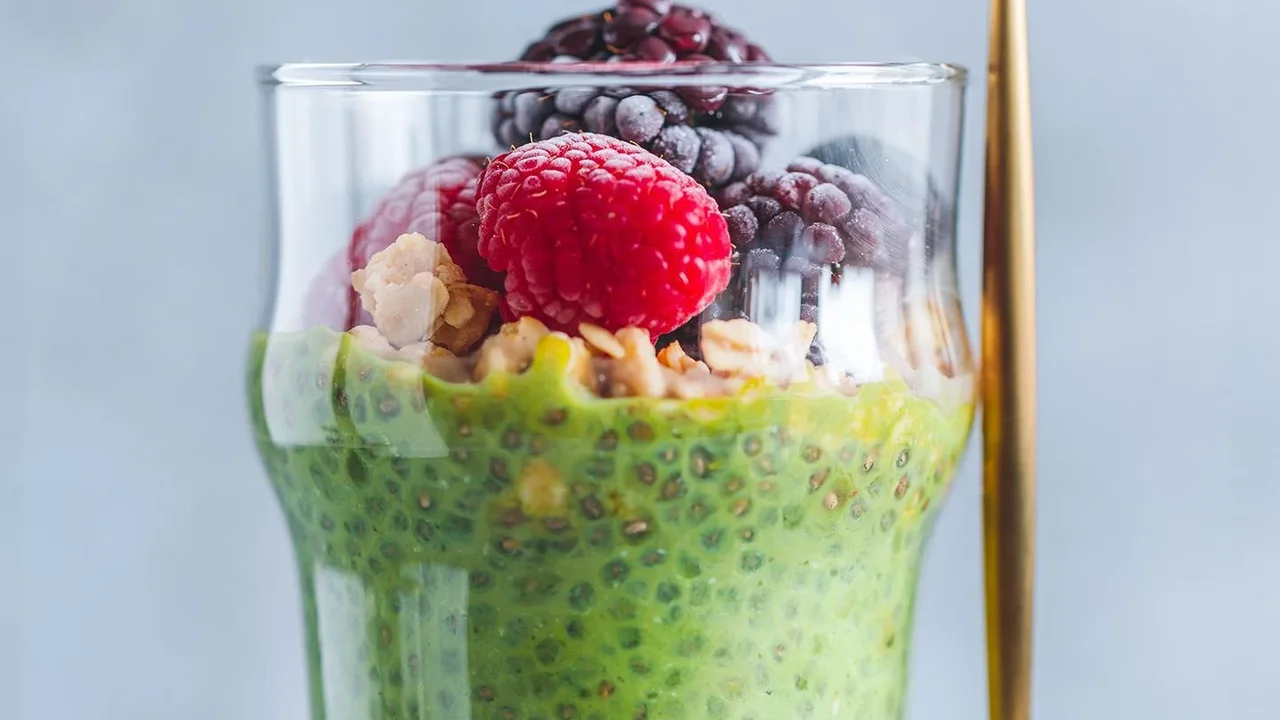
In the age of Instagram and TikTok, snacks also need to be visually appealing. The 'snackification' of life means food is not just for sustenance but also for content. For many in Gen Z, snacking is an emotional or mood-based activity rather than a response to hunger. Social media plays a huge role, with food influencers shaping trends and introducing new products. However, this influence is a double-edged sword. While it can lead to the discovery of healthy recipes and habits, it also exposes young consumers to the marketing of unhealthy, ultra-processed snacks. Despite this, the visual and experiential aspect of a snack—how it looks in a post, the texture, and the 'vibe'—has become a crucial purchasing factor.
Values and Brand Story
Younger Indian consumers are increasingly making choices that align with their personal values. This extends to their snack purchases. They are drawn to brands with a compelling story and a clear stance on ethical or environmental issues. The demand for plant-based and vegan products, for example, is driven by a mix of health, ethical, and environmental concerns. This generation wants to know where their food comes from and what the brand stands for. Direct-to-consumer (D2C) brands have been particularly successful in this area, using their digital platforms to build communities and communicate their brand narrative directly to shoppers who prioritize these values.
The Quest for Novelty and Convenience
While health is a major focus, the element of enjoyment hasn't disappeared—it has just evolved. Younger snackers are adventurous and open to experimentation with global flavors and new textures. They gravitate towards fusion snacks that blend familiarity with novelty, such as traditional Indian ingredients used in modern formats. At the same time, convenience is paramount. Urbanization and fast-paced lifestyles have boosted the demand for on-the-go, functional snacks that can be easily ordered via quick-commerce apps. The ideal snack for this generation is one that is not only nutritious but also exciting, convenient, and tells a story they want to be a part of.