




Beyond the Food Court
Let’s start with the most basic weekend staple: food. A mall food court offers predictability—the same global chains, the same familiar menus. It’s convenient but rarely memorable. In contrast, the food experience at a Doon festival is an adventure in itself.
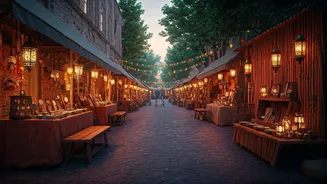
Think of the flea markets at events like the Doon Carnival, buzzing with local vendors offering regional specialities. Festivals like Virāsat often put a spotlight on traditional cuisine, giving you a taste of authentic Garhwali flavours that you simply won't find next to a pizza counter. It’s the difference between grabbing a functional meal and savouring a culinary experience, where every stall tells a story about local ingredients and heritage.
Crafted, Not Manufactured
The allure of the mall is often rooted in shopping, but it's a world of mass-produced goods and global brands. The joy of discovery can be limited. Now, picture yourself at a local mela or a cultural festival. Here, shopping is about stumbling upon the unique and the handmade. Events like the Virāsat festival are designed to showcase and preserve India’s rich craft heritage. You might find yourself talking to the artisan who wove the shawl, painted the canvas, or sculpted the pottery. These events feature art and craft exhibitions where every item has a personal touch and a cultural context. It transforms shopping from a simple transaction into a meaningful interaction, a chance to support local artists and take home a piece of authentic craftsmanship.
Live Beats Over Background Music
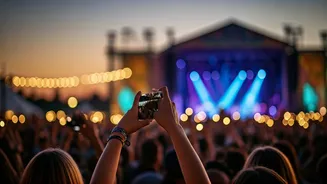
Atmosphere is everything. Malls are filled with a constant, low-hum of piped-in music designed to be pleasant but forgettable. A festival, on the other hand, is alive with sound. It’s the raw energy of a live band at the Doon Music Festival, where the entire crowd shares in the performance. It’s the heartfelt poetry at an open-mic session during the Doon Carnival or the classical strains of folk music floating through the air at Virāsat. These events offer a stage for local and national talent, creating a dynamic and immersive soundscape. Whether it’s a dance performance, a stand-up comedy act, or a storytelling session for kids, the entertainment is an active, shared experience rather than passive background noise.
A Community, Not Just a Crowd
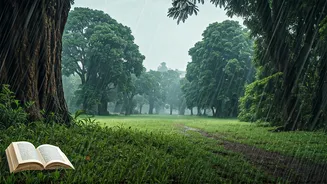
Perhaps the most significant difference lies in the sense of connection. Malls are essentially commercial spaces where people exist side-by-side as individual consumers. You are part of a crowd, but not necessarily a community. Festivals are built to bring people together. Events like the Doon Book Festival create spaces for dialogue and shared learning, where authors and readers can engage in conversation. The Doon Carnival explicitly states its mission is to create a platform for people to connect over shared passions. You attend workshops, watch cultural parades, and participate in activities alongside neighbours and fellow citizens. This fosters a sense of belonging and shared identity that the anonymous environment of a mall simply cannot replicate.