


The Weekday Rush and the Quick-Fix Meal
In urban India, the rhythm of life is fast. Busy schedules and long commutes mean that breakfast often needs to be quick, convenient, and nourishing. This need gave rise to a category of breakfast dishes that are easy to prepare but packed with flavour
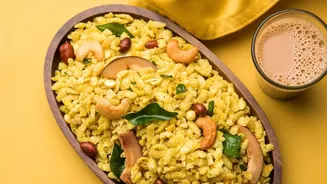
and energy. Think of Maharashtra's popular Kanda Poha, made from flattened rice that cooks in minutes. Or consider Upma, a savoury semolina porridge beloved across the country, which can be customised with vegetables for a wholesome start. These meals are the culinary answer to modern life's demands. They are designed for efficiency, using ingredients that are readily available and require minimal prep time, allowing people to fuel up without falling behind on a packed morning schedule.
The Weekend Feast as a Social Ritual
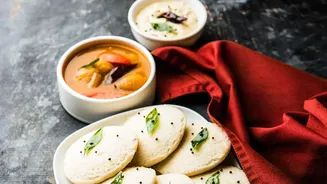
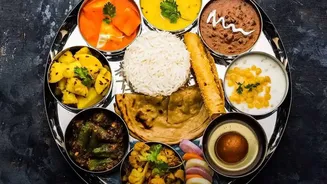
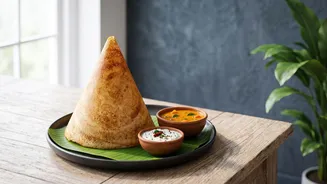
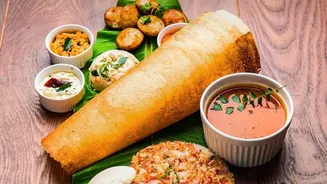
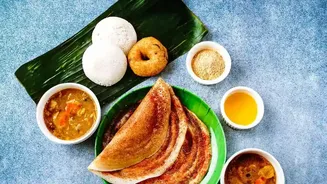
When the pace of life slows down on weekends and holidays, breakfast transforms from a necessity into an event. This is when the elaborate preparations come out. Dishes like Punjab's Chole Bhature, featuring spicy chickpeas and fluffy, deep-fried bread, are often considered a special indulgence rather than a daily meal. In the South, a weekend breakfast might be an extensive affair with soft idlis, crispy dosas, and savoury vadas served with sambar and multiple chutneys. These meals are not just about food; they are about community and family. They represent a time to gather, talk, and share a moment of connection before the week begins again. The preparation itself is often a shared activity, turning the kitchen into the heart of the home.
A Reflection of the Land
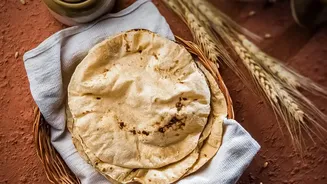
The diversity of Indian breakfast is deeply rooted in the country's varied geography and agriculture. What grows locally often ends up on the breakfast plate. The southern states, with their abundant rice paddies, have a breakfast culture built around fermented rice and lentil batters, giving us staples like idli and dosa. The warm climate aids the fermentation process, making these dishes not only tasty but also gut-friendly. In the North, a region known as India's 'food bowl' for its wheat cultivation, hearty flatbreads like parathas are a mainstay. Stuffed with potatoes, paneer, or radish, these breads provide sustained energy, which was historically essential for an agrarian lifestyle.
Echoes of History and Culture
India's breakfast traditions have also been shaped by centuries of migration, trade, and cultural exchange. The Mughal influence in Northern India introduced rich, dairy-heavy dishes, and this legacy can be seen in the use of ghee and yogurt in many breakfast preparations. In Hyderabad, the breakfast of Nihari, a slow-cooked meat stew, dates back to the Nizams and was traditionally a meal for clerks needing energy for the day. The concept of a dedicated breakfast meal itself is relatively recent in Indian history, becoming more commonplace with the rise of contractual employment and urbanisation, which shifted meal schedules from the traditional two-a-day pattern of farming communities. This shift encouraged the creation of specific regional dishes designed to be eaten in the morning.
A Modern Blend of Old and New
Today, the lines between quick and elaborate are blurring. While many urban households rely on convenient options during the week, there is also a renewed interest in traditional ingredients. Millets like ragi and jowar are making a comeback, often in modern, easy-to-prepare forms like instant dosa mixes or porridge. This reflects a desire to stay connected to culinary roots while adapting to the realities of a fast-paced lifestyle. Many people now enjoy a quick, healthy meal like poha or upma on weekdays and save the indulgent, elaborate dishes like parathas or puri-sabji for a leisurely weekend, getting the best of both worlds. This blend of tradition and convenience shows how Indian breakfast culture continues to evolve, balancing health, heritage, and the demands of modern life.