



A Return to Wholesome Roots
The modern urban pantry has, for decades, been increasingly filled with processed, packaged, and convenience foods. While easy, this shift came at a cost to nutrition. Today, a growing consciousness around wellness is leading many back to the basics.
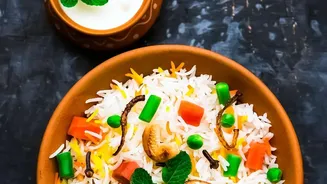
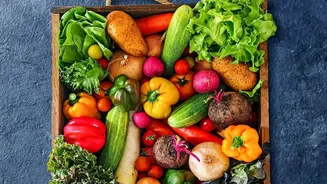
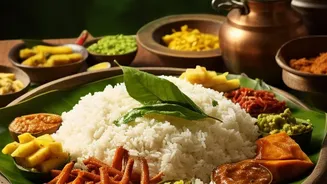
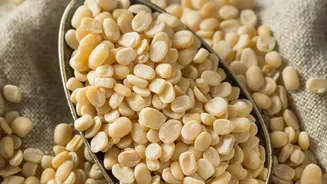
Traditional family recipes are, by their very nature, built on whole foods. They call for fresh vegetables, whole grains like rice, and legumes like lentils, which are packed with fibre and protein. This movement isn't about rejecting modernity, but rather integrating the time-honoured wisdom of using real, unprocessed ingredients. Cooking a dal passed down through generations isn't just making a meal; it's a deliberate choice to nourish the body with foods that are fundamentally healthier and free from the artificial preservatives and additives common in today's fast food culture.
The Science Behind 'Dadi Ma's Nuskhe'
What was once dismissed as anecdotal advice is now often backed by science. Traditional Indian cooking, for example, is rich in spices that are now celebrated for their medicinal properties. Turmeric, a staple in countless curries, contains curcumin, a compound known for its powerful anti-inflammatory effects. Similarly, ingredients like ginger, garlic, and chillies, which form the base of many family recipes, are recognised for boosting immunity and aiding digestion. These recipes offer a balanced approach to nutrition, combining carbohydrates, proteins, and fats for sustained energy. The use of seasonal produce, a cornerstone of traditional cooking, also ensures that the body receives a diverse range of nutrients throughout the year. This inherent nutritional intelligence is a key reason why these heirloom dishes are being embraced by the health-conscious.
More Than Food: A Taste of Identity
In the often anonymous and fast-paced environment of city life, cooking a family recipe can be a powerful act of grounding. For many young urban professionals, recreating a dish from their childhood is a way to combat stress and connect with their roots and heritage. This trend is deeply rooted in nostalgia, offering a sense of comfort and emotional stability in an unpredictable world. The aroma of a familiar dish can evoke memories of family gatherings, providing a tangible link to one's identity. This emotional connection is a significant driver of the trend; it's not just about eating healthy, but about feeling connected. Start-ups and community projects are even emerging to help people document and preserve these heirloom recipes before they are forgotten.
The Modern Twist on Old Classics
The revival of traditional recipes doesn't mean a complete rejection of modern life. Instead, urban cooks are creatively adapting old methods to fit contemporary lifestyles and health goals. A recipe that originally called for deep-frying might be adapted for an air fryer. A traditionally heavy dish might be lightened with more vegetables or by substituting certain ingredients. This fusion of old and new allows people to honour their culinary heritage while aligning with modern health advice. They are keeping the soul of the dish—the core flavours and spices—while making small, thoughtful changes. This spirit of innovation is a key part of the trend, demonstrating that traditional and modern can coexist beautifully in the same kitchen.
From Kitchens to Commerce
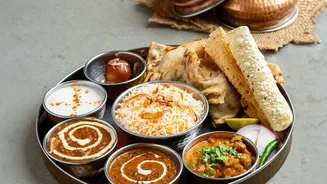
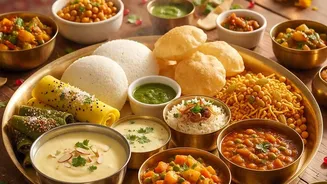
This movement from the home kitchen is also influencing the wider food industry. A growing number of restaurants and food startups are focusing on 'ghar jaisa khana' or home-style food, catering to the demand for authentic, comforting, and healthy meals. Chefs are increasingly looking to revive forgotten regional ingredients and dishes, bringing them to a wider audience. This commercial interest validates the cultural shift, proving that there is a significant market for food that is not just about novel flavours, but about authenticity, wellness, and heritage. It reflects a collective desire to eat food that tells a story and provides nourishment for both body and soul.