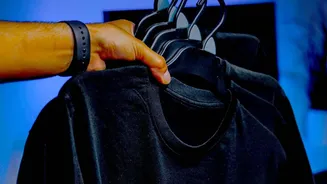






Not long ago, a hoodie from a top tech firm was a badge of honour in Silicon Valley. Now, for employees at leading artificial intelligence labs, it’s becoming a potential target. A strange new reality is setting in for AI's brightest minds.
From Status Symbol to Security Risk
In the hyper-competitive
world of technology, company merchandise, or 'swag', has long served as a public declaration of success and belonging. For years, employees at Google, Apple, and Meta have worn their logos with pride. But a significant cultural shift is underway at the forefront of the AI revolution. High-profile firms, including OpenAI and Anthropic, are now reportedly advising their staff to conceal company branding when in public. This guidance suggests employees should avoid wearing clothes with company logos and hide their work badges once they step outside the office. This move from pride to precaution signals a new, more fraught era for the people building some of the world's most powerful technology.
A Dual Threat of Hostility and Espionage
The warnings aren't born from abstract paranoia; they stem from two distinct and growing threats: public hostility and corporate espionage. On one hand, the rapid advancement of AI has stoked public anxiety, leading to protests and, in some cases, direct threats. Activists have targeted the San Francisco offices of OpenAI, and CEO Sam Altman's home has also been the subject of attacks. This escalating animosity makes employees potential targets for those who fear AI's societal impact. On the other hand, the immense commercial and strategic value of proprietary AI models makes these companies prime targets for spies. Security training sessions at OpenAI now warn employees about sophisticated attempts to extract confidential information, which can range from casual conversations at a cafe to overtures of friendship or even romance. One reported incident involved a suspected spy approaching an OpenAI employee at a playground, attempting to steer the conversation toward their work.
More Than Just T-Shirts
The 'no-logo' directive is just the most visible part of a broader tightening of security protocols. Employees are also being told to use privacy screens on their devices when on public transport and to be mindful of discussing sensitive work in public spaces. Anthropic has reportedly become concerned about people attempting to photograph its offices, further highlighting the need for discretion. These measures reflect a new operational reality where the intellectual property is so valuable, and the public profile so high, that everyday activities require a heightened state of alert. An investor in both firms noted that employees are constantly approached by people seeking firsthand information on the latest technological developments, forcing them to be cautious about what they disclose.
A Barometer of Public Trust
This trend of employees going incognito is more than just a corporate security update; it's a telling indicator of the widening gap between the AI industry and the general public. While many inside these labs see themselves as building a better future, a growing segment of the population views their work with suspicion and fear. The need for employees to hide their affiliation underscores a social contract under strain. The resignations of researchers from top labs over safety concerns have further fuelled this public debate, with some former insiders warning that the race to superintelligence is outpacing the development of necessary safeguards. When the creators of a technology feel unsafe to publicly admit where they work, it raises profound questions about the technology's acceptance and the industry's relationship with society.