
From More to Meaningful
For decades, the Indian dream home was synonymous with size. Larger rooms and expansive balconies were seen as markers of success. Today, driven by rapid urbanization and soaring real estate prices in cities like Mumbai and Bengaluru, that ideal is being
reimagined. A new generation of homeowners is discovering that a smaller footprint can actually be a design advantage. The constraint of limited space forces a discipline of choice, where every element must be intentional and serve a purpose. This shift isn't about compromise; it’s a cultural evolution towards living environments that support well-being and individuality over outward displays of wealth.
The New Luxury Toolkit
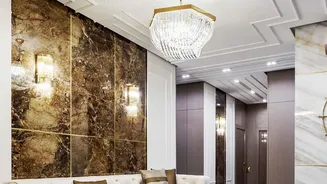
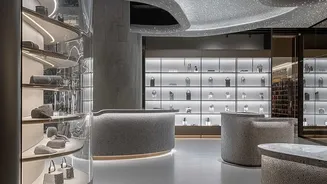
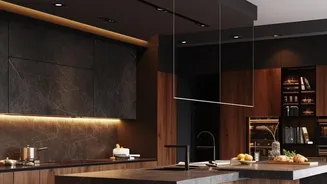
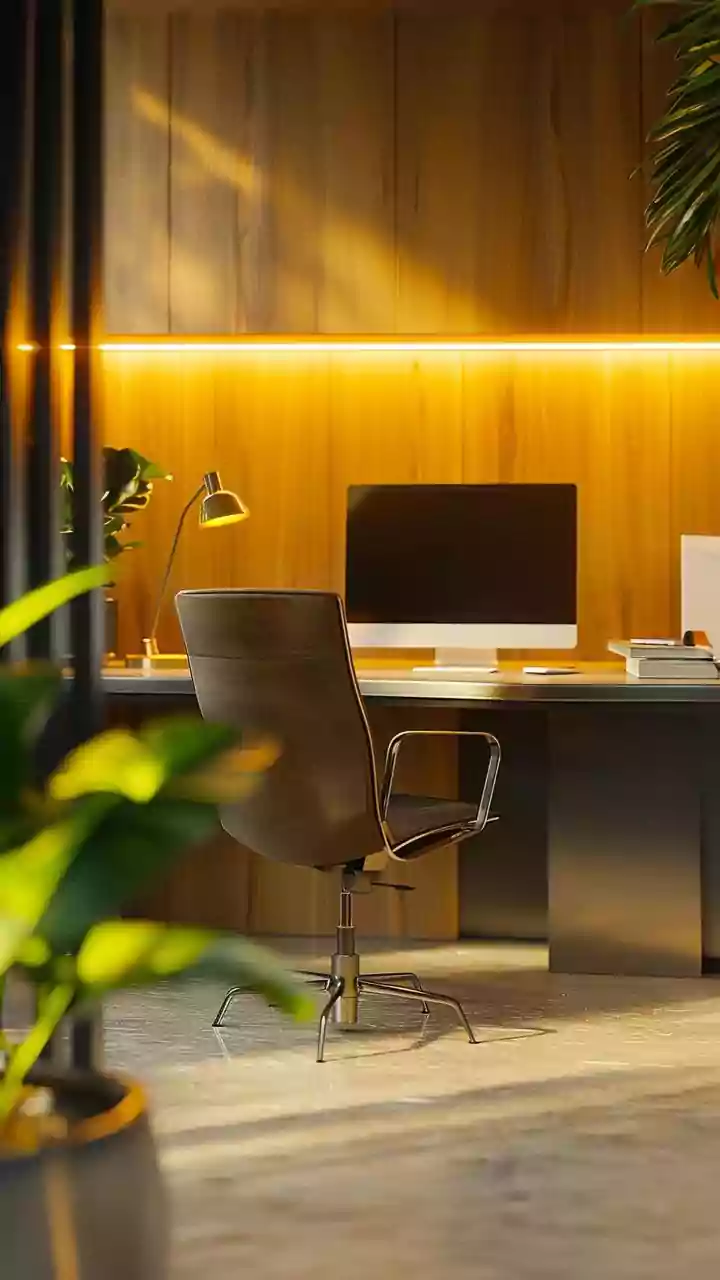
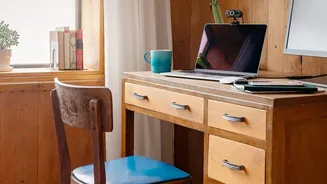
So what does luxury look like when it’s not about size? It's about the quality of materials and the intelligence of the design. Think multifunctional furniture that transforms a space throughout the day — a wall-mounted desk that folds away, a sofa that becomes a bed, or a dining table that expands for guests. These pieces allow a single room to serve multiple purposes, a key strategy in compact urban homes. Another pillar of this new luxury is the use of high-end finishes in a focused, deliberate way. Instead of overwhelming a space, a single surface of beautiful stone or a wall of handcrafted wood panelling can provide a sense of richness and quality that a larger, indifferently designed home often lacks.
Mastering the Illusion of Space
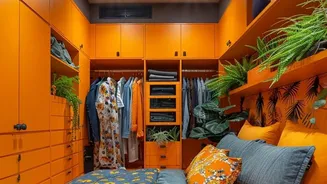
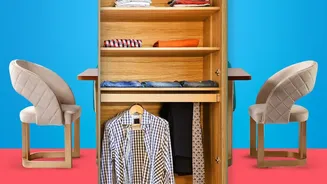
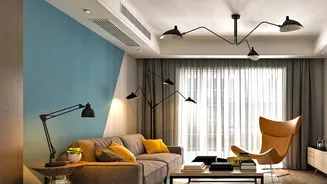
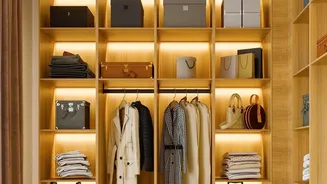
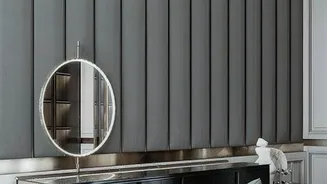
Designers are employing clever strategies to make smaller homes feel more expansive. The single biggest multiplier of perceived space is light. Large windows with sheer coverings, strategically placed mirrors that reflect light and views, and layered lighting schemes all help to create a sense of openness. A cohesive, light, and neutral colour palette on walls and ceilings makes them seem to recede, while transparent acrylic or glass furniture can perform its function without adding visual clutter. Another powerful tool is the use of vertical space. Floor-to-ceiling shelving and wardrobes draw the eye upward, creating an illusion of height while offering valuable storage and freeing up floor area.
Japandi and the Rise of Calm
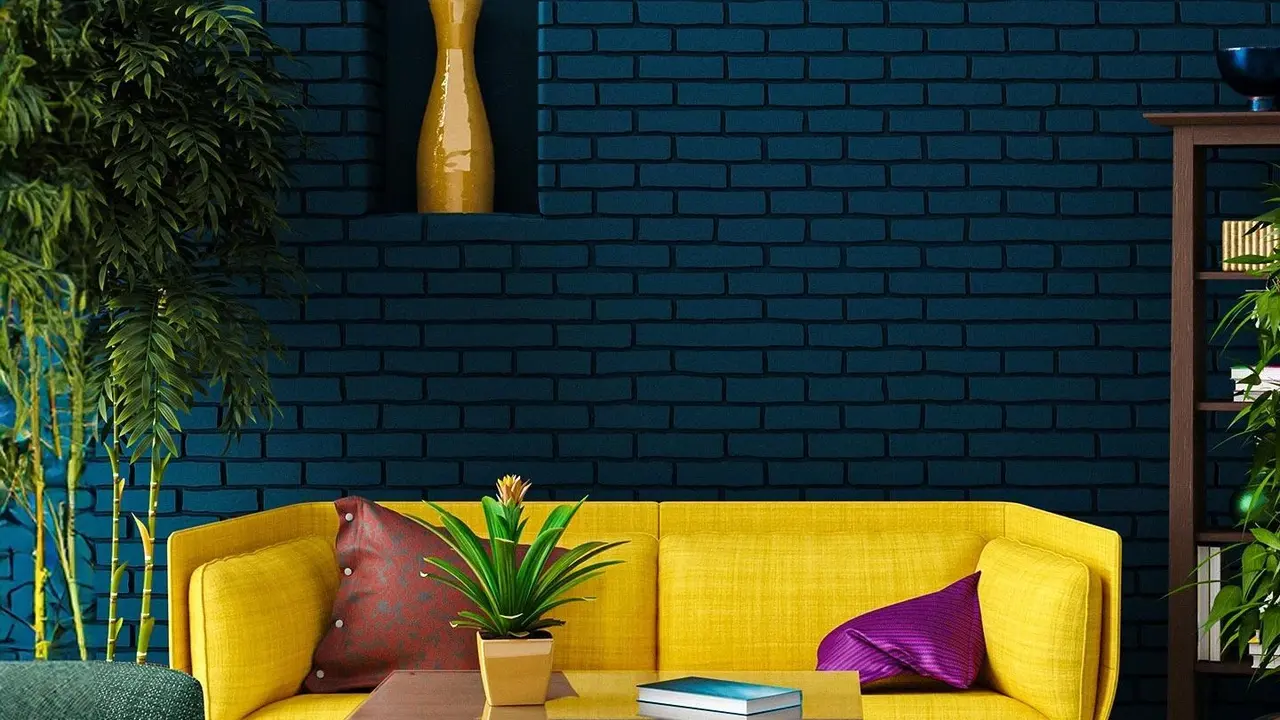
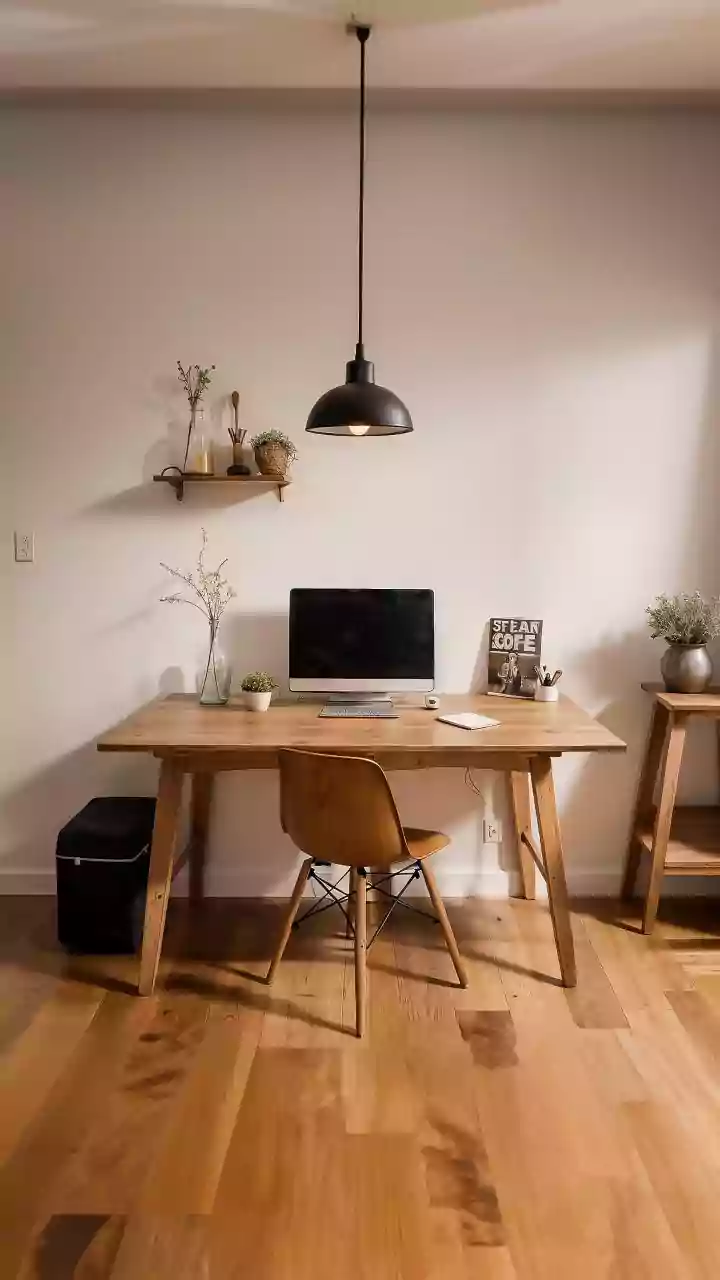
A design style perfectly suited to this new ethos is Japandi, a hybrid of Japanese minimalism and Scandinavian warmth. Its principles of simplicity, natural materials, and functional, uncluttered spaces work exceptionally well in compact apartments. Japandi favours low-profile furniture that keeps sightlines open, a muted colour palette that promotes calm, and a strong connection to nature. This is often achieved through biophilic design—incorporating natural elements like wood, stone, and indoor plants. These living elements not only improve air quality but also foster a sense of tranquility and connection to the outdoors, which is a luxury in any urban environment.
Technology and the Invisible Home
Smart technology is playing a crucial role in the luxury small home, not just for convenience but for its space-saving potential. Consider the concept of the 'invisible kitchen', where pocket doors and handleless cabinets in a continuous finish can completely conceal appliances and workstations when not in use. This creates a seamless, minimalist aesthetic that makes a room feel larger. Similarly, smart lighting systems allow for changes in ambience with the touch of a button, while built-in sound systems and motorized shades provide high-end functionality without taking up any physical space. It's about integrating technology to enhance life while reducing visual clutter.