
Our Sun, A Volatile Neighbour
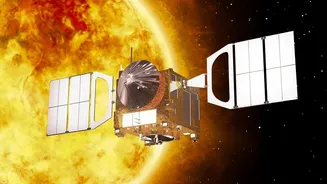
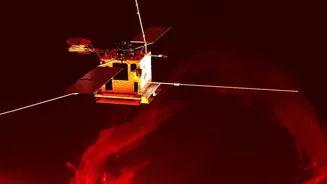
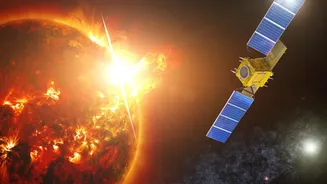
Space weather is a term for the changing conditions in space, driven primarily by the Sun. Our star is not always the calm, steady orb it appears to be. It periodically releases massive bursts of energy and particles in the form of solar flares and coronal
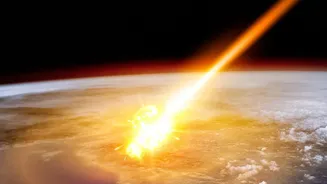
mass ejections (CMEs). When a powerful CME is aimed at Earth, it can trigger a geomagnetic storm. The historical benchmark for such an event is the 1859 Carrington Event, a solar superstorm that was so powerful it set telegraph offices on fire. While society in the 19th century was only minimally affected, a similar storm today would interact with a world profoundly dependent on sensitive electronics.
Satellites in the Firing Line
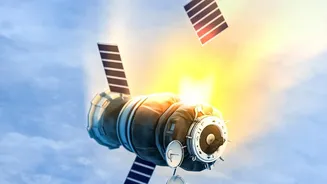
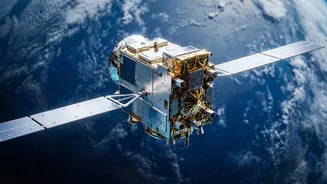
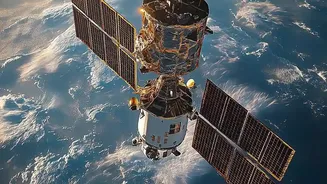
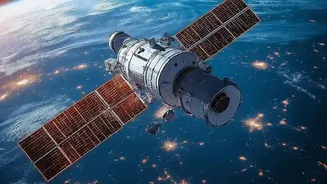
Modern satellites are vulnerable to extreme space weather in two main ways. The first is atmospheric drag. A geomagnetic storm heats and expands Earth's upper atmosphere. This increases the density of the air in low-Earth orbit (LEO), creating more friction for satellites. This increased drag slows satellites down, causing their orbits to decay and potentially leading them to burn up in the atmosphere prematurely. This exact phenomenon caused the loss of dozens of Starlink satellites in February 2022 after a merely moderate storm. The second threat comes from high-energy particles that can damage or disable a satellite's sensitive electronics, causing everything from minor data glitches known as 'single-event upsets' to total failure. These 'killer electrons' can degrade solar panels, disrupt navigation, and shorten a satellite's operational lifespan.
What the New Models Reveal
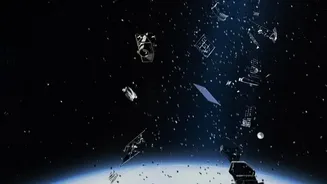
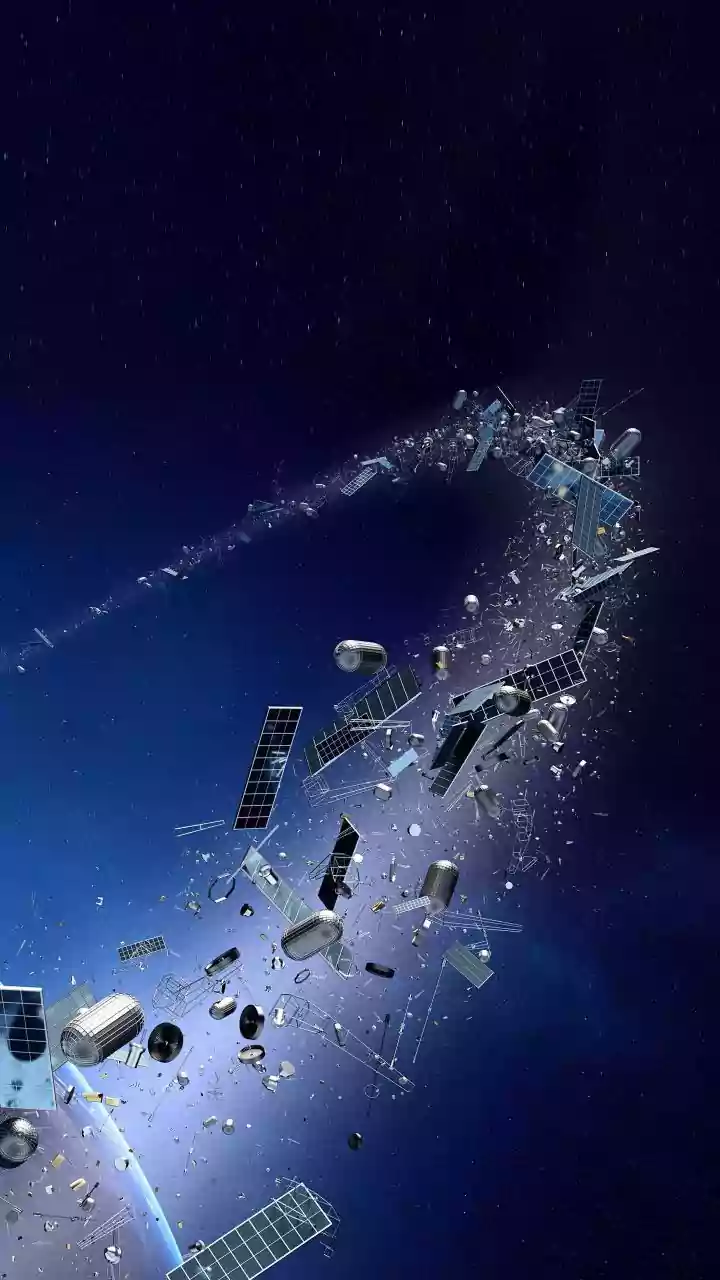
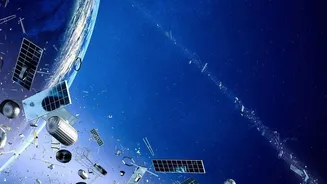
Recent scientific modeling provides a clearer, more sobering picture of the potential risks. Researchers are now developing sophisticated computer models, like MAGE and SOFIE, to simulate the complex interactions between solar wind and Earth's magnetosphere. These models help forecast the arrival of energetic particles and predict which satellite orbits will be most affected. Studies show that a worst-case event could cause up to four years' worth of radiation damage in a short period, significantly shortening satellite lifespans. Other models focusing on a Carrington-level event suggest it could create so much atmospheric drag that collision avoidance for satellites and space debris would become nearly impossible, and that no spacecraft, regardless of its orbit, would be entirely safe.
The Domino Effect on the Ground
The failure of satellite networks would not be an isolated, high-tech problem. It would trigger a cascade of disruptions across the global economy. Global navigation satellite systems (GNSS), like GPS, are essential for aviation, shipping, and ground logistics. Their failure would disrupt supply chains and transportation worldwide. Financial systems, which rely on satellites for precise timing of transactions, would face chaos. Telecommunications, from internet service in remote areas to mobile phone networks, could experience widespread outages. One study estimated the economic damage from a modern Carrington-level event in the United States alone could approach one trillion dollars due to power grid failures and the loss of space-based infrastructure.
Building a More Resilient Sky
The goal of this research is not to cause alarm, but to drive preparation. Understanding the specific threats allows engineers to build more resilient satellites. This can mean 'hardening' electronics with extra shielding, designing satellites with lower drag profiles, or ensuring they have enough onboard propulsion to counter orbital decay. Equally important is improving forecasting. Recent AI-powered models can now predict solar wind conditions with greater accuracy and up to four days of lead time. Better forecasts give satellite operators crucial time to take preventative measures, such as placing a satellite into a protective 'safe mode' to ride out the worst of the storm. These models are essential for turning research into operational tools that can protect our critical infrastructure.