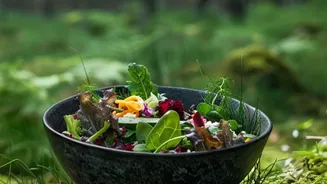




Beyond the supermarket aisle lies a vast, natural pantry teeming with life. In India's regional forests and grasslands, wild leafy vegetables offer a powerful, sustainable, and deeply traditional alternative to the resource-intensive factory farming system.
The Hidden Costs of Modern Agriculture
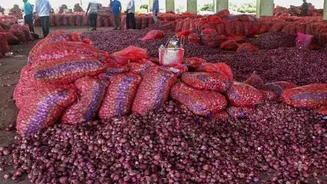
The convenience of modern food systems often masks a significant environmental toll. Industrial agriculture, particularly factory farming, is a major contributor to a host of ecological problems. It consumes vast amounts of water, relies heavily on fossil fuels, and can lead to soil degradation. Animal agriculture is especially land-intensive, with huge areas used to grow feed for livestock rather than food for people. This contributes to deforestation and habitat loss. Furthermore, runoff from large-scale farms containing fertilisers and animal waste can pollute waterways, leading to harmful algal blooms and contaminating water sources. Recent studies have even shown that pathogens like E. coli from large cattle feedlots can become airborne or enter irrigation canals, contaminating leafy greens grown miles away.
Nature’s Resilient Pantry
Foraging—the practice of gathering wild edible plants—presents a starkly different model. It is an ancient tradition deeply embedded in many of India's local cultures, from the Himalayan highlands to the Western Ghats. Unlike monoculture farming, which depletes biodiversity, sustainable foraging works in harmony with nature. Foraged plants require no artificial irrigation, pesticides, or fertilisers. Their carbon footprint is minimal, limited only to the journey to gather them. This practice supports biodiversity and, when done conscientiously, can even help certain plant species thrive. Communities across India have long relied on this knowledge, with women often being the primary keepers of wisdom about which plants to gather and where to find them.
A Nutritional Powerhouse Off The Beaten Path
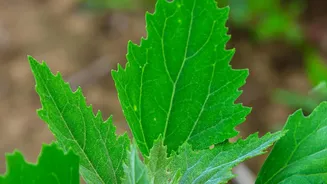
Many wild leafy vegetables are nutritional powerhouses, often containing significantly higher levels of vitamins and minerals than their commercially cultivated counterparts. Wild greens like amaranth, stinging nettle, and fiddlehead ferns are packed with essential nutrients like vitamins A, C, and K, as well as minerals such as iron, calcium, and magnesium. For example, plants like 'chakoda' (Cassia tora) and 'gongura' (sorrel leaves) are not only flavourful but also rich in antioxidants and compounds with medicinal properties, helping boost immunity. This makes them a vital resource for combating micronutrient deficiencies and enhancing food security, particularly in rural and tribal communities that have depended on them for generations.
More Than Just Food: Cultural Connection
Foraging is more than a way to find food; it's an act of cultural preservation. It connects people to their environment and to the ancestral knowledge passed down through generations. In states like Assam, the spring festival of Rongali Bihu traditionally involves preparing dishes with over 100 types of wild-collected leafy vegetables, known as 'xak'. In Maharashtra, the monsoon brings forth a bounty of 'raan bhaji' (wild edible greens) like 'shevla' (dragon stalk yam) and 'phodshi', which are eagerly sought after. However, with rapid urbanisation and the shift towards industrial agriculture, this invaluable traditional knowledge is at risk of disappearing. Efforts by organisations and chefs to reintroduce these wild edibles into urban menus are helping to create a win-win situation, providing income for foraging communities while preserving their heritage.
Foraging with Responsibility and Care
While the benefits are immense, the rise in foraging's popularity underscores the need for a responsible and ethical approach. The golden rule is simple : never eat anything unless you are $100% certain of its identity , as many edible plants have poisonous lookalikes . Sustainable harvesting is crucial to ensure plant populations can recover . This means never taking more than you need , avoiding uprooting entire plants , and leaving plenty behind for wildlife and for the plant to continue its lifecycle . It is always best to learn from an experienced forager or join a local group to gain the necessary skills . Respecting private property and local regulations is also essential to ensure the practice remains a positive force for both people and the environment .