



From Steam and Diesel to Simple Water
At its core, a hydrogen train is an electric train with its own portable power plant. Instead of drawing power from overhead lines, it uses a fuel cell to generate electricity onboard. Inside this device, hydrogen stored in tanks combines with oxygen
from the surrounding air. This electrochemical reaction produces electricity to power the motors that drive the train's wheels. The most remarkable part of this process is what comes out of the tailpipe: nothing but water vapour. There is no combustion, no carbon dioxide, no soot, and no smelly fumes. This stands in stark contrast to diesel locomotives, which release pollutants that detract from the very nature passengers have come to enjoy. Many hydrogen train designs also incorporate batteries to store surplus energy, including power recaptured during braking, which can be used for acceleration or climbing steep gradients, making the entire system highly efficient.
A Perfect Match for Heritage Lines
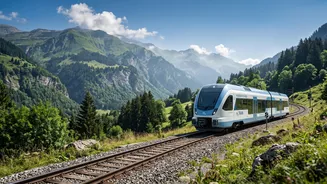
Scenic and historic railway corridors, like India's famous Kalka-Shimla line, present a unique challenge. They often traverse protected natural areas or feature aging infrastructure, including tunnels and bridges, that are part of their heritage charm. Installing overhead electric cables is often prohibitively expensive, visually intrusive, and can damage the historical integrity of the route. Diesel trains have been a practical alternative but come with an environmental cost. Their emissions not only pollute the air but also coat historic structures in a layer of grime, accelerating their decay. Hydrogen offers a near-perfect solution. By producing zero emissions, these trains help preserve the pristine environment of national parks and the structural integrity of century-old viaducts. Furthermore, the near-silent operation significantly reduces noise pollution, allowing passengers to hear the sounds of nature and enjoy a more peaceful journey.
Pioneering Projects Across the Globe
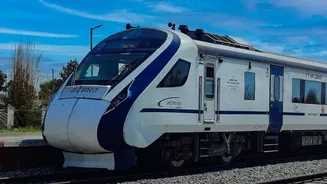
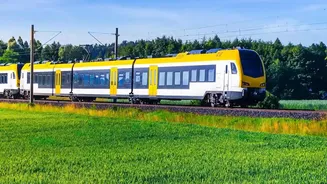
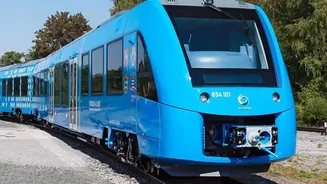
This technology is no longer just a concept. In India, the 'Hydrogen for Heritage' initiative aims to run 35 clean-energy trains on its famous mountain railways, with the first prototype launched in July 2026. In Europe, a railway company in Sicily recently ordered hydrogen trains to run on a scenic route near Mount Etna, specifically designed for narrow-gauge tracks on challenging terrain. Germany was an early pioneer, launching the world's first hydrogen-powered passenger train back in 2018. In North America, demonstration projects on scenic lines in Quebec have proven the technology's appeal, while the first hydrogen train in regular passenger service in the United States began operation in California in 2025. These projects demonstrate a growing global commitment to making even the most cherished historical journeys sustainable for the future.
The Hurdles on the Track Ahead
Despite the clear advantages, the transition to hydrogen-powered railways is not without its challenges. The primary obstacle is the cost and infrastructure required for hydrogen production and refuelling. For the technology to be truly green, the hydrogen must be produced using renewable energy sources like solar or wind—a process known as creating 'green hydrogen'. Building out this production and refuelling infrastructure along remote railway lines requires significant upfront investment. The cost of the trains themselves, whether newly built or retrofitted from existing diesel models, is also a major consideration for heritage railways, which often operate on tight budgets. However, as the technology matures and production scales up, experts anticipate these costs will fall, making hydrogen a more economically viable option over the long term compared to the fluctuating price of diesel fuel and the high maintenance costs of aging engines.