






The Science of Cold Air
A refrigerator works by circulating cold air to maintain a consistent, safe temperature for your food. This process relies on a fan to push chilled air from the cooling components, like the evaporator coils, throughout the compartment. For this system
to work as designed, the air needs clear pathways to move around. Without proper circulation, you can get inconsistent temperatures, with some spots becoming too cold and others remaining dangerously warm. This not only affects food quality but can also create an environment where spoilage bacteria can grow.
The Problem with Overcrowding
When a refrigerator is packed to the brim, it's like creating a traffic jam for cold air. Containers and food items pushed against the back and sides can block the vents that distribute the chill. This forces the refrigerator’s compressor to work much harder and run longer to try and cool down the warmer pockets, leading to higher energy consumption and a bigger electricity bill. Over time, this extra strain can also shorten the lifespan of your appliance. Furthermore, an overstuffed fridge makes it hard to see what you have, increasing the likelihood that food will be forgotten and go to waste.
The Two-Thirds Full Rule
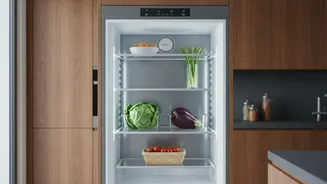
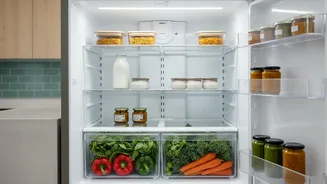
For optimal performance, a good rule of thumb is to keep your refrigerator about two-thirds or 75% full. This leaves enough empty space to allow air to circulate freely around the items. It’s a balance; a completely empty fridge is also inefficient because there's no mass to retain the cold when the door is opened. However, most households are more likely to have issues with over-packing than under-packing. By aiming for that 75% capacity, you ensure the cooling system can operate efficiently without being obstructed.
Strategic Shelf and Drawer Placement
Knowing where to put specific items can significantly improve freshness and safety. Cold air sinks, so the bottom shelves are typically the coldest part of the fridge. This makes them ideal for raw meat, poultry, and fish, which should be stored in sealed containers to prevent drips from contaminating other foods. The middle shelves are great for dairy, eggs, and leftovers, where temperatures are more stable. The door is the warmest part of the fridge, so it's best reserved for condiments and other less perishable items—not milk. Use your crisper drawers as intended, separating fruits that produce ethylene gas (like apples) from sensitive vegetables to prevent premature ripening and spoilage.
Simple Habits for Better Airflow
Beyond not over-stuffing, a few other habits can help. Always let hot leftovers cool down to room temperature before placing them in the fridge; putting hot food inside forces the appliance to work much harder. When storing food, try to use square or rectangular containers, which are more space-efficient than round ones and can help create clearer air channels. Finally, take a moment to identify where the air vents are in your fridge and freezer and make a conscious effort to keep those areas clear at all times. A little space can make a big difference in the freshness of your food and the efficiency of your appliance.