




The Green Myth's Origin
The belief that houseplants are nature's air purifiers largely stems from a 1989 NASA study. Facing the challenge of maintaining air quality in sealed space stations, researchers placed common houseplants in small, airtight chambers and introduced harmful
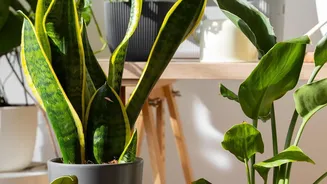
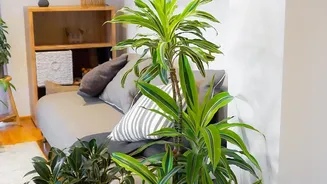
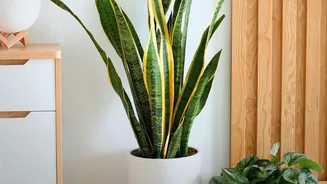
volatile organic compounds (VOCs) like benzene and formaldehyde. Over 24 hours, they observed that some plants, such as Peace Lilies and English Ivy, were able to absorb a significant percentage of these pollutants. The study was groundbreaking for its time and its findings were exciting: if plants can clean the air in a space lab, surely they can do the same in our living rooms. This simple, appealing message took root and has blossomed in popular culture ever since.
From a Sealed Chamber to Your Living Room
The problem is that our homes are nothing like the sealed chambers used by NASA. A 2019 review of decades of research highlighted the critical flaw in applying these findings to a real-world setting. Homes have a natural rate of air exchange with the outdoors, even with the windows closed. This constant, subtle airflow dilutes indoor pollutants far more effectively than a few plants ever could. The NASA experiment measured a plant's effect in a static, enclosed environment, but in a dynamic home environment, new pollutants are constantly being introduced from cooking, cleaning products, furniture, and outdoor sources. To compete with the natural ventilation of a typical home, the science is clear: you would need an impossibly large number of plants.
The Sobering Numbers
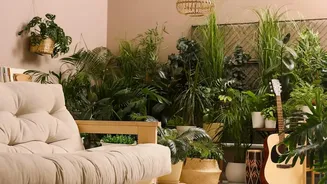
So, how many plants would it actually take to make a difference? According to modern analyses, the numbers are staggering. To replicate the purifying effects seen in lab studies within a typical room, you would need anywhere from 10 to 1,000 plants per square metre of floor space. To put that into perspective, purifying the air in a small 14-square-metre room would require, at minimum, 140 plants and potentially many more. One study calculated that you would need about 680 plants in an average 1,500-square-foot home to achieve meaningful air purification. For most people, turning a home into a dense, impractical jungle isn't a feasible strategy for cleaner air.
What Plants Are Actually Good For
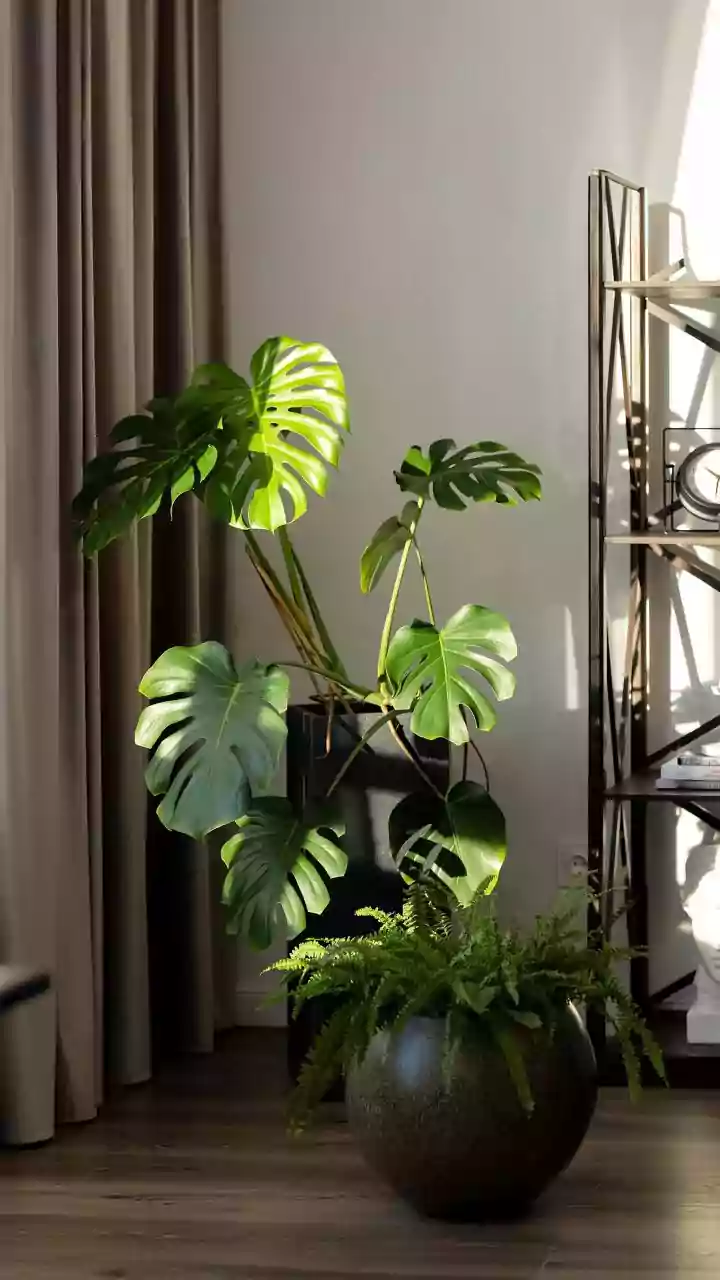
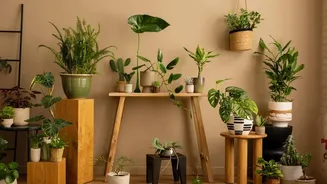
This doesn't mean you should discard your beloved plants. While they may not be powerhouse air purifiers, their benefits for mental and emotional well-being are well-documented. Numerous studies have shown that interacting with indoor plants can reduce psychological and physiological stress, improve mood, and enhance focus. The act of caring for a living thing can be grounding and restore a sense of purpose and accomplishment. Plants add beauty, a touch of nature, and a calming presence to our indoor environments. So, while you shouldn't rely on your spider plant to filter out fumes, you can absolutely appreciate it for making your space feel more serene and alive.
The Real Hero of Clean Air: Ventilation
If plants aren't the answer, what is? The single most effective way to improve your indoor air quality is simple: ventilation. Ventilation is the process of replacing stale, polluted indoor air with fresh outdoor air. This can be achieved through two main methods. Natural ventilation is as easy as opening windows and doors, ideally on opposite sides of the home to create a cross-breeze that flushes out pollutants. Mechanical ventilation involves using fans and systems to move air. This includes using your kitchen's range hood when cooking and the exhaust fan in your bathroom during and after a shower to remove moisture and contaminants at the source. These actions actively remove pollutants, rather than just slowly absorbing them.
Simple Steps for a Fresher Home
Improving your home's air quality doesn't have to be complicated. Start by making it a habit to open your windows for at least a few minutes every day, even in colder weather, to let fresh air circulate. Consistently use your kitchen and bathroom exhaust fans to tackle pollutants and humidity right away. Regularly clean or replace the filters in your HVAC system to ensure it's circulating air effectively. Be mindful of sources of indoor pollution; opt for low-VOC paints and cleaning products when possible. These simple habits, combined, will do far more for your respiratory health than an army of houseplants.