




Gear Up: Beyond the Umbrella
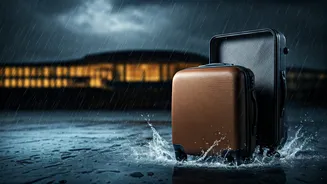
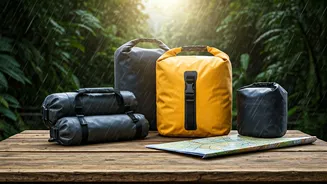
Staying dry is the first rule of monsoon survival, and that goes beyond a simple umbrella. Investing in a truly waterproof backpack or dry bag is essential for protecting your valuables. Look for bags with a high IP (Ingress Protection) rating, like IPX7,
which means it can be submerged in water. [26, 29] Brands like Yeti, NRS, and Watershed are trusted by outdoor enthusiasts for their submersible bags that can protect expensive electronics like laptops and cameras. [22, 29] For daily use, a water-resistant polyester or nylon backpack with covered zippers can offer adequate protection from light rain. [21] Consider smaller, dedicated waterproof pouches for your phone and wallet. Beyond bags, think about your attire. Synthetic clothes dry much faster than cotton and won't leave you with an unpleasant damp smell. [17] A good pair of gumboots or waterproof footwear with a strong grip is also a non-negotiable for navigating slippery, uneven streets.
Protect Your Tech from Water and Humidity
The danger to your electronics isn't just direct rain; it's the pervasive humidity. Indoor humidity in Indian cities can exceed 85% during monsoon, far higher than the 30-60% range most electronics are designed for. [2] This ambient moisture can cause corrosion and short circuits. To combat this, ensure your devices have proper ventilation—avoid pushing TVs against walls or keeping routers in enclosed cabinets. [2, 6] Placing silica gel packets near your electronics can help absorb excess moisture. [2, 5] Power surges from lightning and frequent cuts are another major risk. [2] Use surge protectors for valuable appliances and unplug non-essential devices during heavy thunderstorms. [6, 13] If a gadget does get wet, turn it off immediately, remove any cards or batteries, and wipe the exterior. [5] Do not use a hairdryer; instead, place the device in a sealed container with silica gel packets for 24-48 hours. [5]
Master Your Monsoon Commute
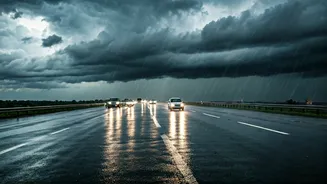
The headline's advice to find 'backup routes' is critical. Regular routes can become impassable due to waterlogging, turning a 30-minute commute into a multi-hour ordeal. Before you leave, check real-time traffic updates using smartphone apps to identify congested or flooded areas and find alternatives. [12] If you drive, ensure your vehicle is monsoon-ready: check your brakes, tyres, and windscreen wipers. [18] Drive slowly, maintain a safe distance from the vehicle ahead, and keep headlights on low beam for visibility. [18] Avoid driving through large puddles or flooded streets, as they can hide open manholes or cause your vehicle to stall. [18] For two-wheeler riders, a helmet with a clear, good-quality visor is essential for visibility, and reducing speed to 30-40 kmph on wet roads is highly recommended. [11]
Safeguard Your Health
The monsoon is a prime breeding season for mosquitoes and pathogens, leading to a spike in diseases like dengue, malaria, typhoid, and various water-borne infections. [3, 4, 7] The risk increases in densely populated urban areas with issues like stagnant water and compromised sanitation. [4] To protect yourself, eliminate any standing water around your home—in flowerpots, coolers, or on terraces—to prevent mosquito breeding. [7] Use mosquito nets and repellents. [9] When it comes to food and water, be extra cautious. Drink only boiled, filtered, or properly treated water, and avoid street food, pre-cut fruits, or raw salads that may be contaminated. [4, 8] Maintaining personal hygiene, like frequent hand washing, is also crucial to prevent the spread of germs. [4]
Stay Informed and Prepared
The 2026 monsoon arrived in Kerala on June 4th and has been advancing across the country, reaching areas like Mumbai, Telangana, and Odisha by June 23rd. [16, 24] However, its progress has been slower than usual in some regions, with developing El Niño conditions creating concern about a potential rainfall deficit later in the season. [25] This unpredictability makes it essential to stay updated. Monitor reliable weather updates from sources like the India Meteorological Department (IMD) rather than relying on social media rumours. [23] Preparing a basic emergency kit at home with essentials like a torch, batteries, first-aid supplies, and dry food can make a significant difference during a severe downpour or power outage. [23] Knowing your local evacuation routes and having emergency contacts saved is a simple but vital step for every household. [23]