


What is the PM POSHAN Scheme?
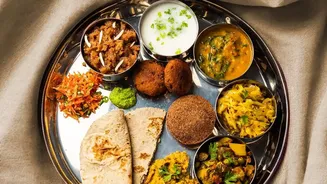
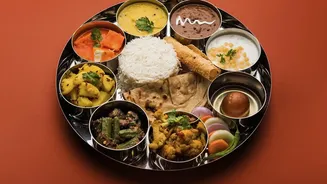
Formerly known as the Mid-Day Meal Scheme, the Pradhan Mantri Poshan Shakti Nirman (PM POSHAN) is a cornerstone of India's efforts to fight classroom hunger and improve child nutrition. It provides one hot cooked meal to children in government and government-aided
schools from pre-primary to Class VIII. The scheme's objectives are twofold: to boost school enrolment and attendance, and to enhance the nutritional status of children. The Centre provides specific nutritional guidelines, mandating, for example, 450 calories and 12 grams of protein for primary students, and 700 calories with 20 grams of protein for upper primary students per meal.
Understanding the New Ingredient Focus
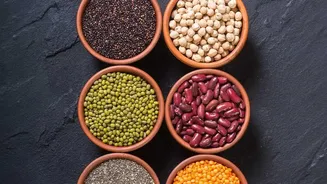
Recent guidelines do not represent a radical overhaul of nutritional norms but rather a shift in emphasis towards implementation and ingredient sourcing. The government is strongly encouraging States and Union Territories to procure locally grown food items, including vegetables and coarse grains like millets ('Shree Anna'). This push aligns with a broader national strategy to promote millets for their health benefits and climate resilience. States are given flexibility to design menus based on local food habits and cultural preferences, as long as they meet the Centre's prescribed calorie and protein standards. A 'flexi component' of the budget is also allocated for states to establish school nutrition gardens and add supplementary items.
The Core of the Concern: Is Nutrition at Risk?
The reader's question stems from the practical challenges of implementation. While promoting local ingredients is sound in theory, concerns arise about maintaining consistent quality and nutritional value across the vast and varied landscape of India. The primary fear is that a focus on local sourcing without robust quality checks could lead to disparities. Critics point out that issues like inadequate per-child allocation, cost-cutting measures, and poor storage can lead to meals that fail to meet the mandated norms, regardless of the ingredients used. For instance, some activists have previously raised alarms over moves like reducing oil content, arguing it's an unscientific cost-cutting measure that could harm undernourished children who need energy-dense foods. The debate is less about whether millets are nutritious and more about whether the system can ensure every child gets the intended benefit every single day.
Government's Rationale: Health, Economy, and Sustainability
The government's push for millets and local sourcing is based on several key arguments. Nutritionally, millets are powerhouses, rich in fiber, protein, and essential micronutrients. Promoting them is seen as a way to diversify children's diets and combat malnutrition. Economically, it supports local farmers and creates stable demand for their produce. Environmentally, millets are climate-resilient crops that require less water and fewer inputs, contributing to sustainable agriculture. The government's stance is that by giving states flexibility within a firm nutritional framework, the scheme can become more effective, culturally relevant, and sustainable. The goal is to focus on holistic nutrition rather than just providing a meal.
What Do Nutrition Experts Say?
Nutrition experts largely agree on the benefits of diversifying diets and including traditional grains like millets. The consensus is that a well-implemented plan to introduce millets can significantly improve the nutritional profile of mid-day meals. However, they also echo the concerns about execution. Experts emphasize that the focus must remain on the overall nutritional outcome, not just the ingredients. The success of these updated rules will depend on adequate funding, stringent quality control, and proper training for cooks on how to prepare nutritious and palatable millet-based recipes. Many argue that without addressing systemic issues like delayed funds and insufficient monitoring, the potential benefits of new ingredient policies may not be fully realised.